The "Ninja-gility" factor
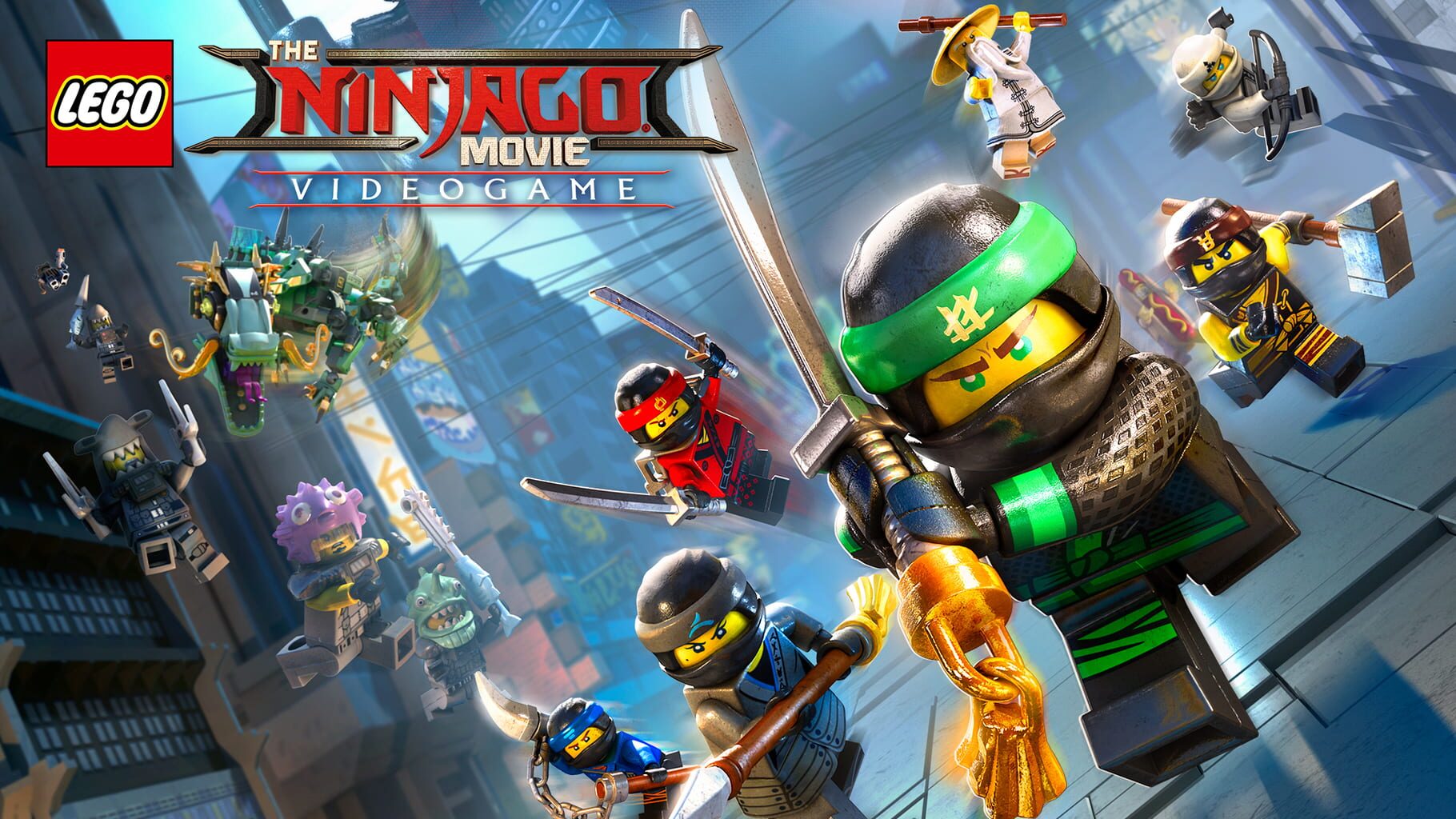
Most LEGO games follow a very specific, slow-paced rhythm: walk, smash a bench, build a ladder, repeat. This one tries to break that mold with what the developers call "Ninja-gility." Instead of just plodding through levels, your kid is wall-running, high-jumping, and stringing together combat combos that feel a lot more fluid than the clunky mechanics in older titles.
If your child is currently obsessed with the newer Dragons Rising series, they might find the movie-specific character designs a bit "retro," but the core appeal of the six main ninjas remains the same. It’s worth checking out The Parent's Guide to LEGO Ninjago to see how this specific movie era fits into the massive, confusing timeline of the show. The game captures that specific big-screen humor, which is a bit more self-aware and chaotic than the standard TV episodes.
Short, sweet, and couch-friendly
The biggest knock against this game is the length. With only eight locations, a focused player can breeze through the main story in a few sittings. However, for a parent, that short runtime is actually a feature. It doesn’t demand a sixty-hour commitment or a complex wiki to understand. It’s a "weekend game"—something you pick up when it’s raining and finish before the school week starts.
The real longevity lives in the Battle Maps. While most of the game is about following the plot of The LEGO Ninjago Movie, the competitive four-player modes are where the replay value hides. It’s rare to find a modern game that handles four-player local split-screen this well without requiring an internet connection. If you have siblings who constantly bicker over whose turn it is, putting them all on the same screen to fight the Shark Army is a solid tactical move.
Where it sits in the LEGO hierarchy
Let’s be honest: this isn't LEGO Star Wars: The Skywalker Saga. It doesn't have that level of polish or scale. It’s a 2017 tie-in that was built to capitalize on a movie release, and the IGDB score of 69 reflects that middle-of-the-road reality. It’s a B-minus game that earns an A-plus for convenience.
Because there are no in-game purchases or loot boxes, it’s a completely "set and forget" experience. You don't have to worry about your kid seeing a cool skin and asking for your credit card. If they finish this and are still itching for more digital bricks, you might want to look into The Ultimate Guide to LEGO Apps for options that focus more on building and creativity rather than just button-mashing combat.
The "Should you buy it?" test
Don't pay full price for this in 2026. It goes on deep sale frequently on the Nintendo eShop and PlayStation Store. If you can snag it for the price of a fancy coffee, it’s a total win. It’s the perfect "first action game" for a six- or seven-year-old who is just learning how to coordinate two thumbsticks at once. The stakes are low, the humor is high, and the "game over" screen is basically non-existent. You just explode into studs and keep going.