Our reviews and ratings are 100% unbiased. Screenwise is a Bookshop.org affiliate and an Amazon Associate, so if you buy a book through one of our links, we may earn a commission. Bookshop.org purchases also support independent bookstores.
Screenwise Verdict
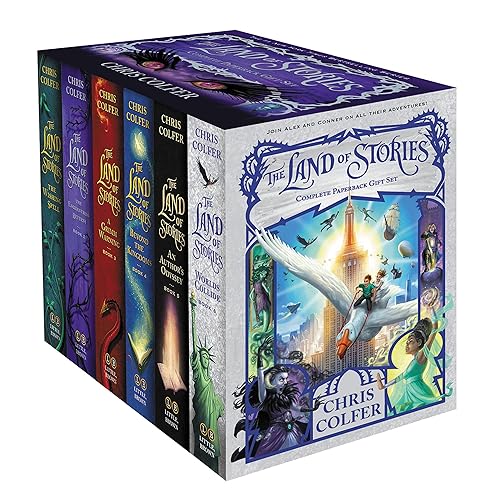
This is one of those rare middle-grade series that actually lives up to the hype. Colfer clearly loves fairy tales and isn't just phoning in a cash-grab—the world-building is thoughtful, the sibling relationship is genuinely warm, and the meta-storytelling elements make kids think about narrative in a way that's sneakily sophisticated.
The series does what great middle-grade fiction should: it's entertaining first, but builds reading stamina, vocabulary, and empathy along the way. The fairy-tale violence is there but contextually appropriate (no one's getting decapitated on-page). At 4.9 stars on Amazon, this is kid-tested and approved.
The main caveat: six books is a lot. Some kids will devour them all in a month; others will peter out. That's fine—even reading two or three is a win. If your kid is on the fence after book one, don't force the march through all six.
Age Fit
Best for ages 8-13, though confident 7-year-olds can handle it and some teens will enjoy the whole series. The reading level (grades 3-7) is spot-on—younger kids might need it read aloud, older middle-schoolers can breeze through.
WISE Breakdown
Wholesome
88
Chris Colfer's series models sibling cooperation through twins Alex and Conner, features positive family dynamics, and maintains an emotionally healthy tone throughout. The fairy-tale reimagining framework naturally emphasizes kindness, courage, and working together. Some violence exists (battles with villains, fairy-tale danger), but it's age-appropriate and not gratuitous. The pacing is well-balanced for middle-grade readers.
Imaginative
91
The premise—twins entering a book and meeting fairy-tale characters in person—is inherently creative and invites kids to reimagine familiar stories. Colfer blends multiple fairy tales across six books, creating a sprawling multiverse that rewards curiosity. The meta-narrative (characters aware they're in stories, crossing between worlds) pushes imaginative boundaries. Kids who read this often start writing their own fairy-tale mashups.
Safe
92
Web search confirms this is recommended for ages 7-8+, with 'slight violence' but nothing graphic or traumatic. No sexual content, no profanity, no disturbing themes. The Amazon reading age is 8+, Common Sense Media kid reviews say it's appropriate for 7+. As a book, there are no monetization concerns, ads, or social features. The fairy-tale violence (witches, battles) is expected and contextually appropriate—no surprise trauma.
Enriching
86
The series builds reading stamina (six substantial books), introduces classic fairy-tale literacy, and explores themes of bravery, family bonds, and identity. The sibling dynamic offers insight into cooperation and complementary strengths (Alex is studious, Conner is creative). The meta-storytelling encourages kids to think about narrative structure. It's entertaining first, but sneaks in vocabulary growth and empathy for characters facing complex choices. Amazon's 4.9 rating suggests high engagement.
Parent Info
✓
Why It Might Be Great
Chris Colfer (yes, from Glee) writes with genuine affection for fairy tales and creates a sprawling, clever multiverse where familiar characters get depth and surprises
The sibling dynamic is genuinely sweet—Alex and Conner complement each other without constant bickering, modeling real cooperation
Six books means kids who fall in love have a long runway of reading ahead, building stamina and investment in a story world
Meta-narrative elements (characters aware they're in stories, worlds colliding) make kids think about storytelling itself
4.9 Amazon rating and #1 NYT Bestseller status—this is beloved by kids who actually read it, not just critically acclaimed and ignored
⚠
What to Watch For
Fairy-tale violence is present (battles, witches, peril) but age-appropriate for the 8+ crowd—think Disney-level stakes, not Game of Thrones
Six books is a commitment—some kids love the marathon, others lose steam around book 3 or 4
The first book is stronger than some later entries; if your kid is lukewarm after book 1, they might not need to finish all six
Conversation Starters
"If you could jump into any book, which one would it be and why?"
"Alex and Conner are so different—do you think you're more like Alex (loves school, organized) or Conner (creative, goofball)?"
"The fairy-tale characters aren't exactly like the Disney versions. Which character surprised you the most?"
"If you could rewrite a fairy tale, which one would you pick and what would you change?"