The Alice Roberts effect
The biggest reason to watch this isn't the maps or the CGI—it’s Alice Roberts. Unlike many modern hosts who stand in front of a green screen and gesture at floating graphics, Roberts is an actual anatomist and archaeologist. When she’s looking at a skull or explaining a genetic marker, she isn't just reading a teleprompter; she’s translating her own field.
She brings a specific kind of "smart friend" energy that works well for kids who are starting to sniff out when they’re being talked down to. There’s a scene in the Australia episode where she looks at the sheer impossibility of ancient sea crossings that makes the history feel like a survival thriller rather than a dry lecture. If your kid has outgrown the frantic, neon-colored science shows on YouTube, this is a great bridge to "grown-up" documentaries.
Pacing for the un-distracted
We have to talk about the 2009 of it all. This was produced in an era when the BBC assumed you had a couch, a cup of tea, and nowhere else to be for 50 minutes. There are long shots of landscapes. There are sequences where the camera just watches someone work in an archaeological pit.
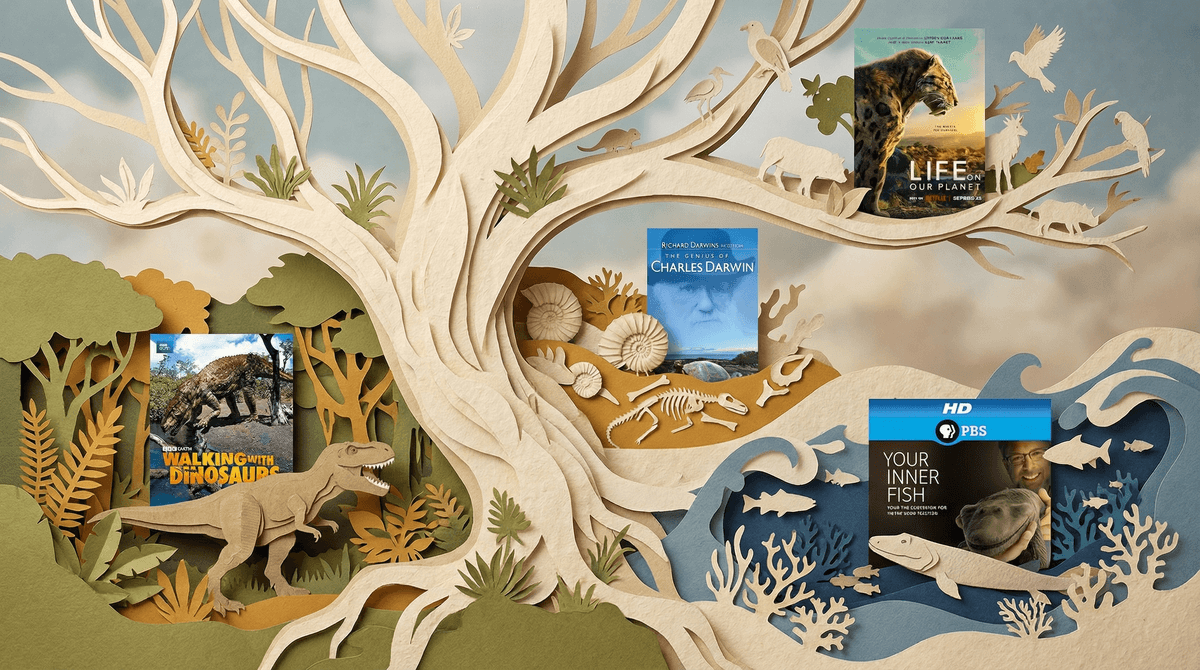
For a kid raised on MrBeast-style jump cuts, this will feel like slow motion. But there’s a benefit to that "slow TV" vibe. It gives the brain space to actually process the scale of what’s being discussed. We aren't just talking about a weekend trip; we’re talking about 70,000 years of walking. If you’re trying to build a longer attention span, this is a high-quality tool for the job. It pairs well with other interesting movies or documentaries about evolution for 8-12 year olds that take a more cinematic approach to deep time.
The "How did we get here?" hook
If your kid is into world-building—think Minecraft or Civilization—this show offers the ultimate origin story. It frames human history not as a series of kings and wars, but as a massive, global puzzle.
The episode covering the Americas is a standout for this. It tackles the mystery of how people got across the ice and down the coast, and it plays out like a detective story. It’s the kind of content that turns a kid into the person who says "Actually, did you know..." at the dinner table.
Just keep in mind that since this aired in 2009, the "latest" genetic evidence mentioned is now over 15 years old. The broad strokes are still the gold standard, but don't be surprised if a quick Google search reveals that we've found even older bones or more complex DNA links since Alice Roberts first laced up her hiking boots. Use it as a foundation, not the final word on the subject.