The Ghibli Influence Done Right
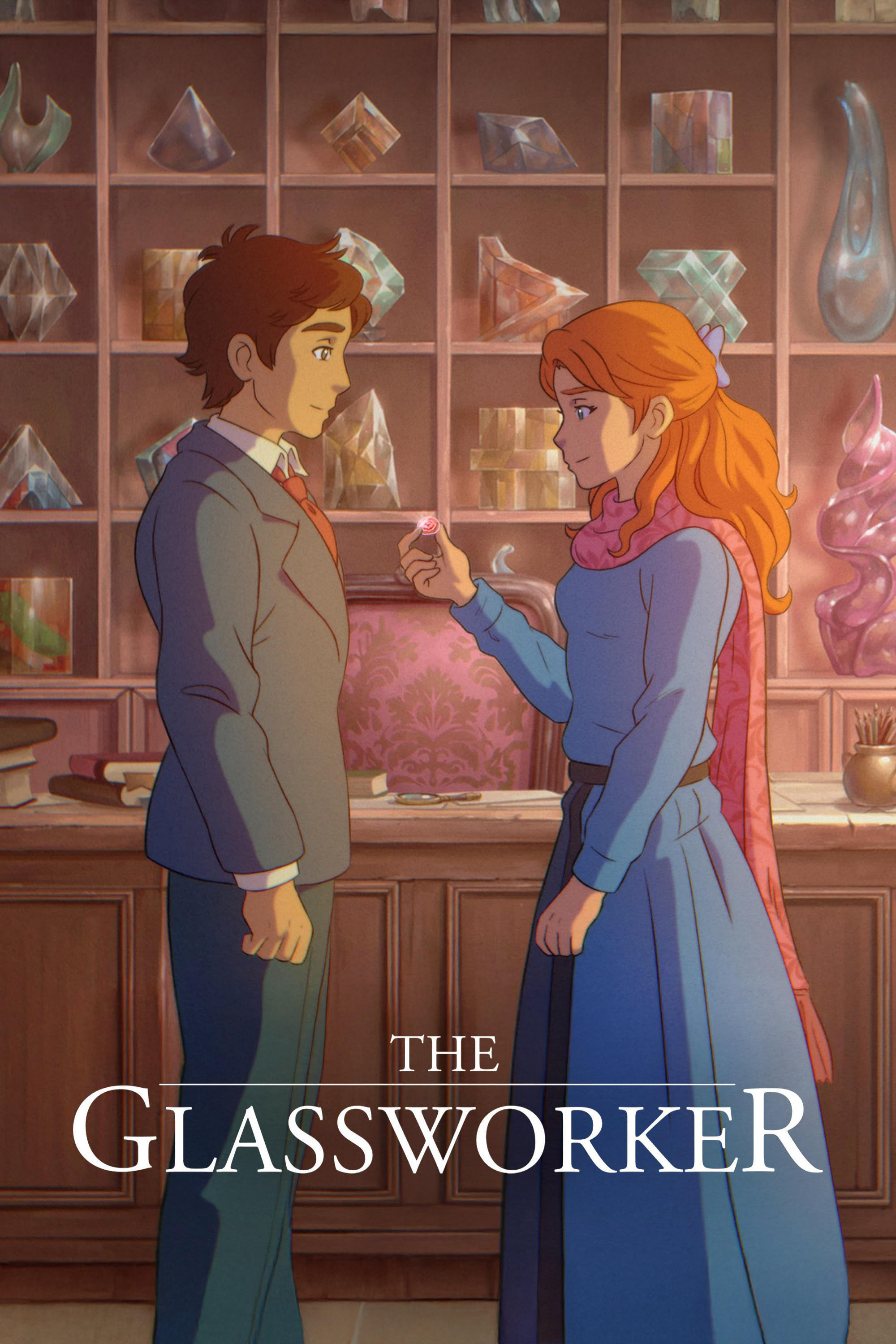
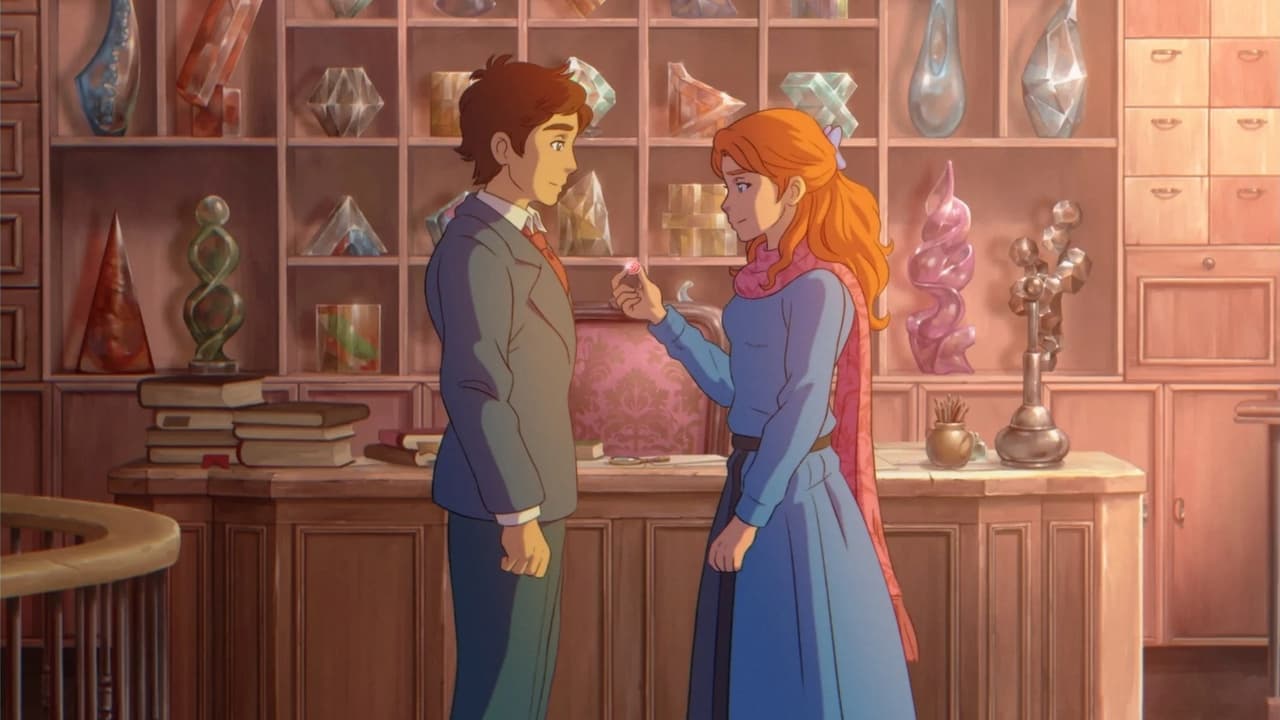
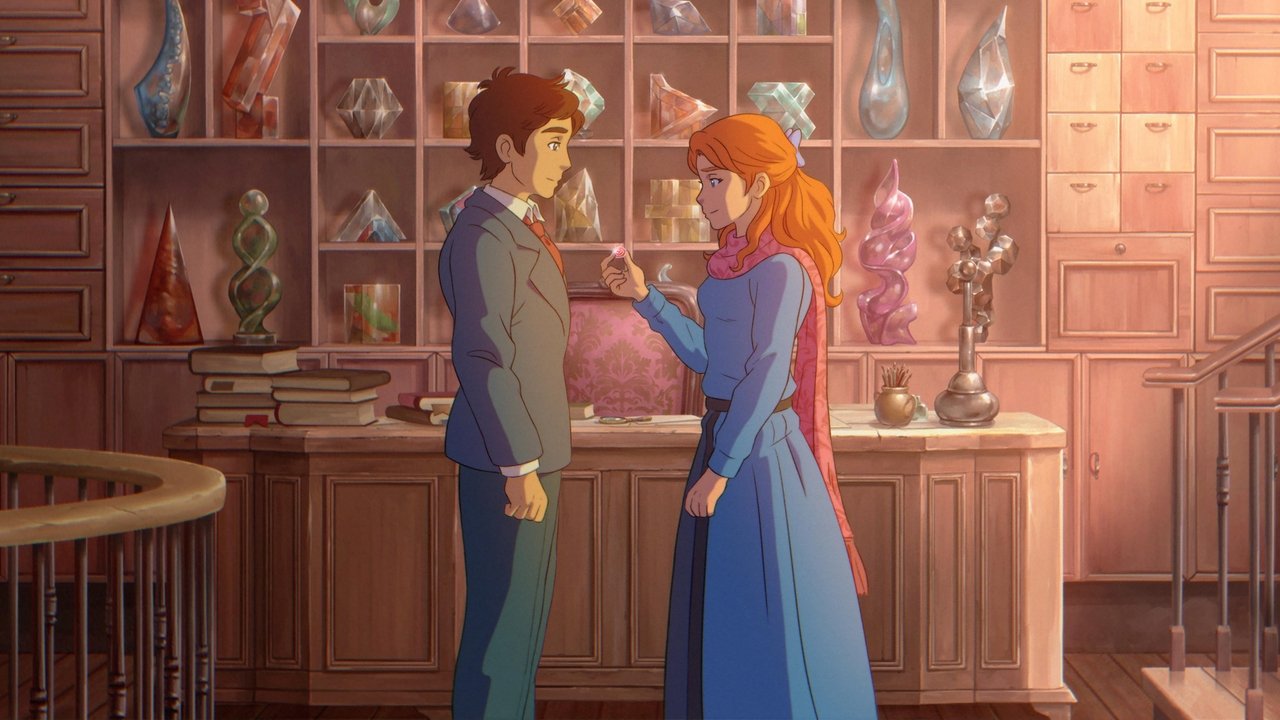
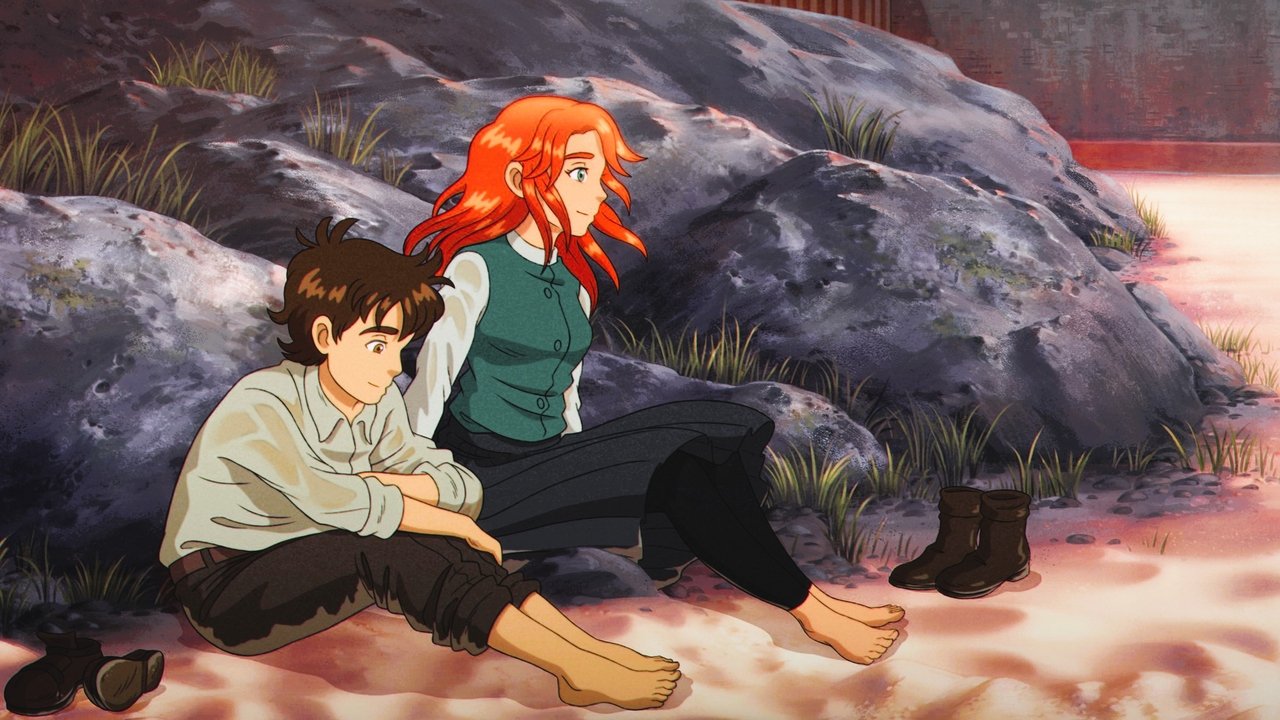
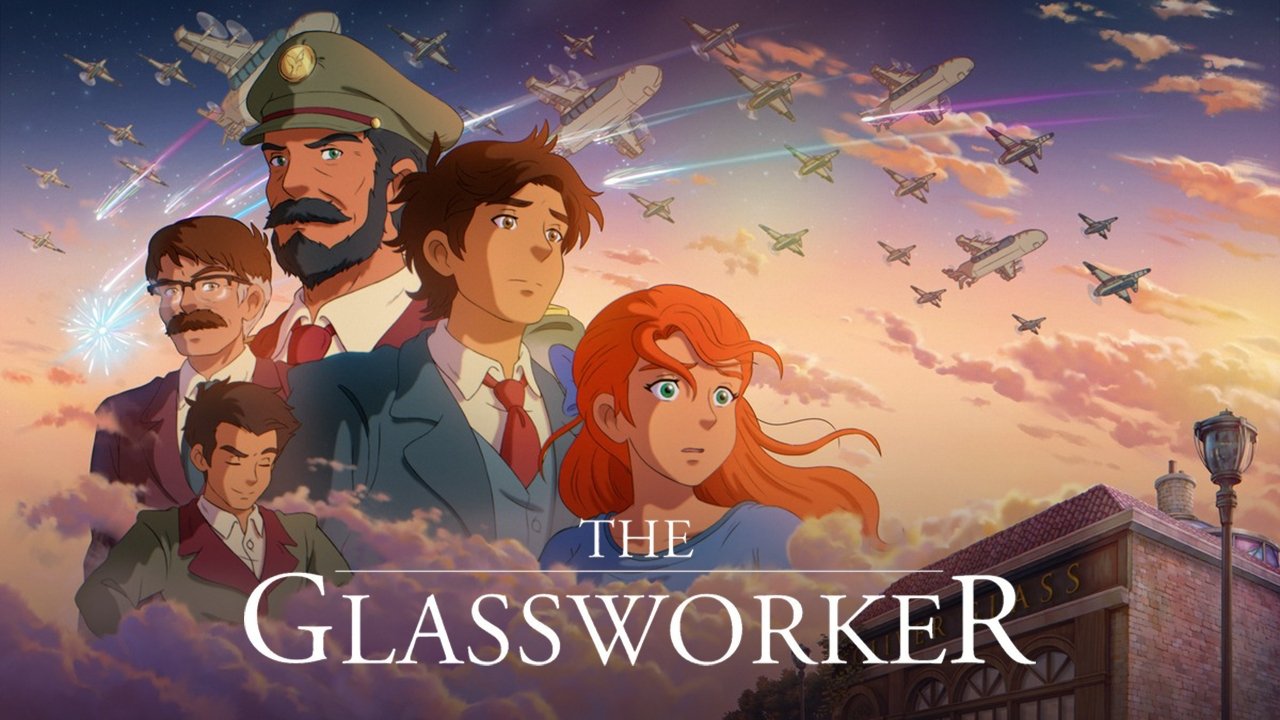
It’s impossible to talk about The Glassworker without mentioning Studio Ghibli. Director Usman Riaz has been open about the influence, and you see it in every frame—from the lush, painted backgrounds to the way characters move with a certain weight and intentionality. But this isn't just a copycat. It brings a specific Pakistani soul to the table, particularly in its depiction of the seaside town and the cultural nuances of the characters.
Art as Resistance
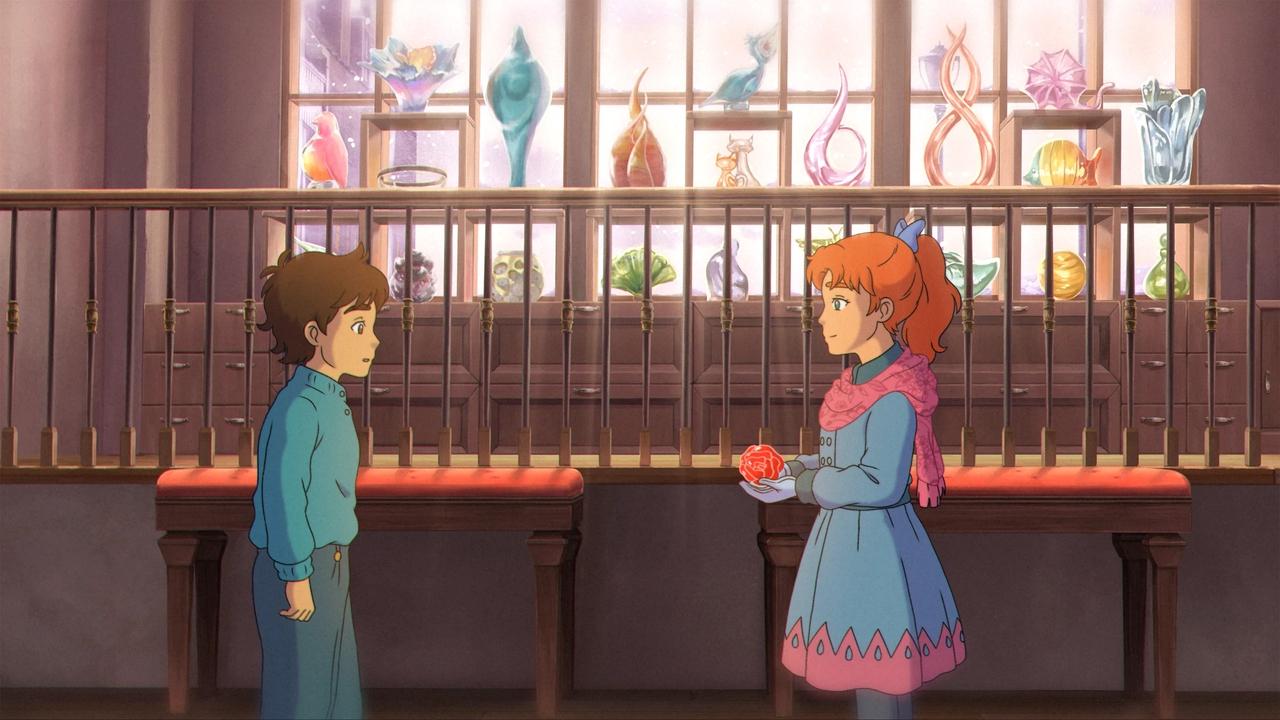
The movie centers on Vincent and his father, Manuel, who run a glass shop. When the military moves in, the glass shop becomes a symbol of everything that war destroys: fragility, beauty, and uselessness (in a military sense). The film does a fantastic job of showing how war isn't just about battles; it's about the way the 'war machine' demands that everyone stop what they love and contribute to the destruction.
Why the Pacing Matters
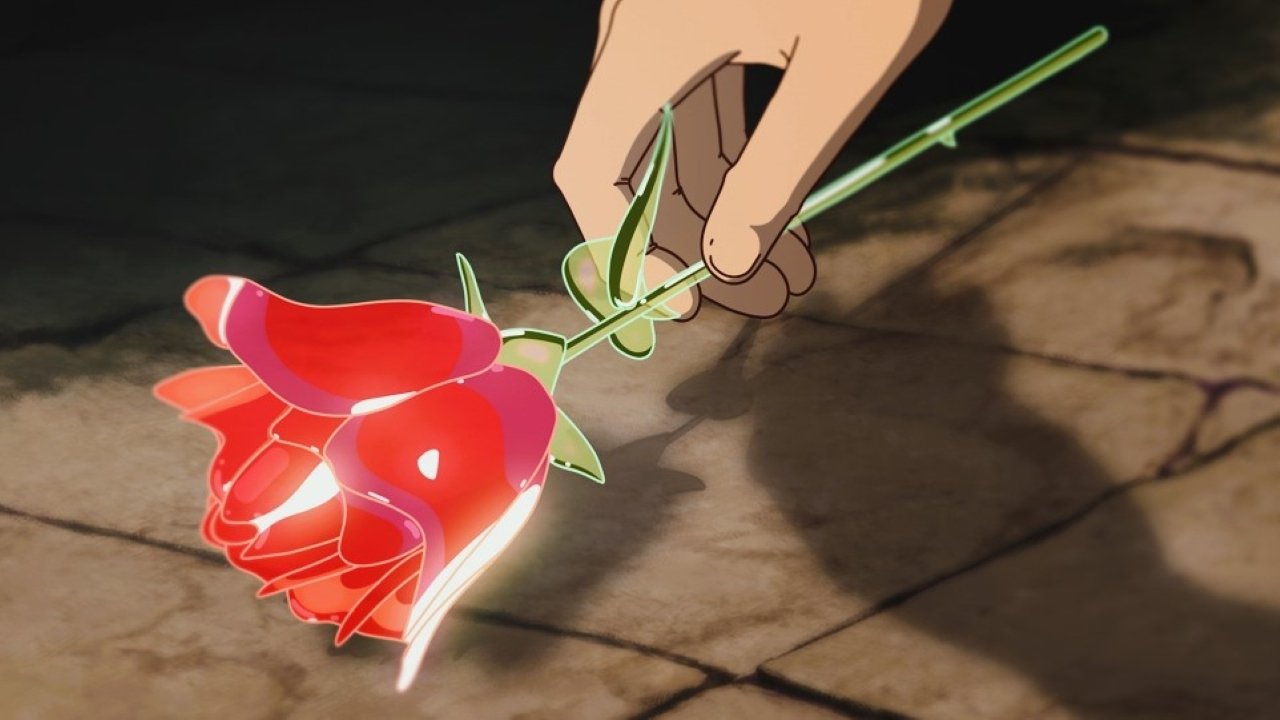
Parents should know that this is a 'vibe' movie. It spends a lot of time on the process of glassblowing—the heat, the breath, the timing. For an artistic kid, this is mesmerizing. For a kid who wants a joke every thirty seconds, it might be a struggle. But that's exactly why it's valuable. It's an exercise in slow-looking and empathy. In a 2026 media landscape dominated by short-form brain rot, The Glassworker is a necessary palate cleanser that demands your full attention and rewards it with genuine emotion.