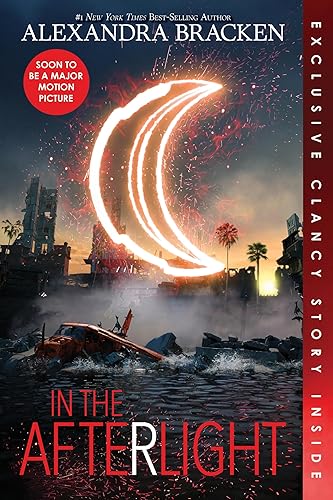
Our reviews and ratings are 100% unbiased. Screenwise is a Bookshop.org affiliate and an Amazon Associate, so if you buy a book through one of our links, we may earn a commission. Bookshop.org purchases also support independent bookstores.
Screenwise Verdict
This is the gritty conclusion to a series that basically asks: 'What if the government was terrified of your brain?'
It’s not a light read—we’re talking kids in camps and some pretty dark psychological warfare—but for a teen who feels like the world is a bit of a mess, Ruby’s journey from prisoner to leader is incredibly cathartic.
Just don't expect a happy-go-lucky ending where everyone gets a trophy; it's more of a 'we survived, but at what cost?' vibe. It’s high-quality YA that respects its readers' intelligence, even if the 'dystopian wasteland' trope feels a bit 2010s-era by now.
Age Fit
Best for the 12+ crowd who have already graduated from 'The Hunger Games' and want something with a 'superpower' flavor. It's realistically too dark and heavy for the under-10 set.
WISE Breakdown
Wholesome
58
While the story deeply values loyalty, friendship, and protecting the vulnerable, it centers on children in government-run 'rehabilitation' (concentration) camps and the psychological toll of war. It’s emotionally heavy rather than 'clean' or 'sunny.'
Imaginative
82
The 'Psi' power system—categorizing kids by color-coded abilities like mind control and telekinesis—is a compelling and creative take on the 'gifted youngster' trope, set against a well-realized dystopian America.
Safe
62
The book contains significant themes of institutional child abuse, government violence, and intense psychological manipulation. It’s not 'unsafe' for its target YA audience, but the content is dark and contains character deaths.
Enriching
80
It offers strong lessons on leadership, the ethical use of power, and standing up against systemic injustice. It forces readers to grapple with the idea of 'the greater good' versus individual rights.
Parent Info
✓
Why It Might Be Great
Ruby is a powerhouse protagonist who actually has to deal with the messy ethics of her memory-wiping abilities.
The 'Psi' power system is easy to grasp but has terrifying implications that keep the plot moving.
It’s a high-stakes finale that doesn't pull its punches regarding the cost of rebellion.
⚠
What to Watch For
The setting involves government-run camps where children are abused and 'rehabilitated'—it's bleak stuff.
Clancy Gray is a master of psychological manipulation, which can be unsettling for younger or more sensitive readers.
Expect significant character losses; this isn't a series where everyone makes it to the finish line.
Conversation Starters
"If you were a 'Psi' kid, which color power would you actually want vs. which one would be the most dangerous to have?"
"Why do you think the adults in the government are so afraid of these kids that they'd put them in camps?"
"Ruby often keeps secrets to 'protect' people. Is that actually helpful, or does it just cause more problems?"