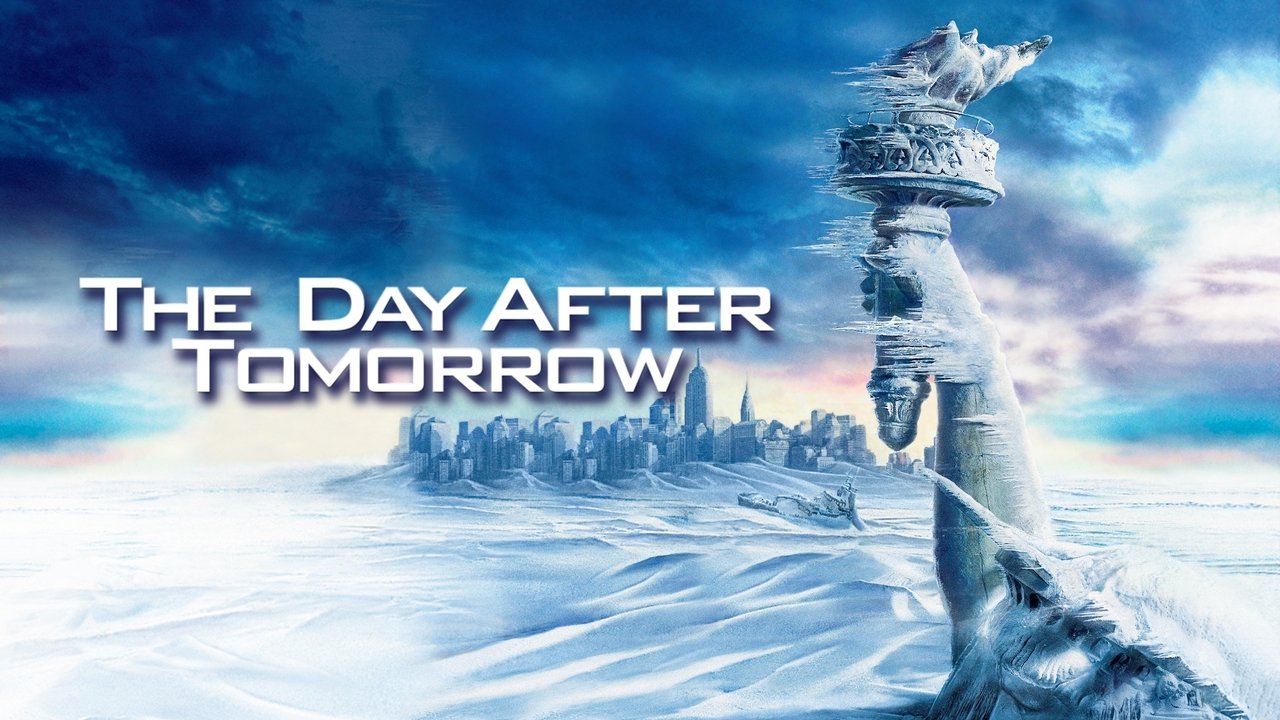

The Day After Tomorrow

The Day After Tomorrow

movie

PG-13, 2004

WISE
68%

WISE Score

45

Avg. Tomatometer

Global warming turns the world into a giant popsicle in this 2004 disaster flick that's high on spectacle and very low on actual science.

IMDb6.5
RT Critics45%
MC47
Common Sense Media
Where to Watch
Loading streaming options...
Screenwise Verdict

The Day After Tomorrow is the ultimate 'Saturday afternoon on the couch' movie. It’s loud, it’s dramatic, and it’s deeply silly if you think about it for more than five seconds. It’s a classic Roland Emmerich disaster flick that prioritizes cool visuals over a coherent plot, but that’s exactly why it works for a family movie night.

While it’s over 20 years old, the 'climate disaster' theme feels more relevant than ever, even if the movie's version of it happens in about 48 hours. It’s safe enough for most pre-teens, provided they can handle the idea of the world basically ending while they watch. It’s not high art, but it’s high entertainment.
Age Fit

Best for kids 10 and up. Younger kids might get bored during the political scenes or genuinely scared by the scale of the destruction, but for the 'disaster-curious' middle-schooler, it's a rite of passage.

WISE Breakdown
Wholesome
65

The core of the movie is a father's relentless quest to save his son, emphasizing family loyalty and cooperation during a global crisis. It avoids gratuitous sleaze, focusing instead on survival and sacrifice.

Imaginative
72

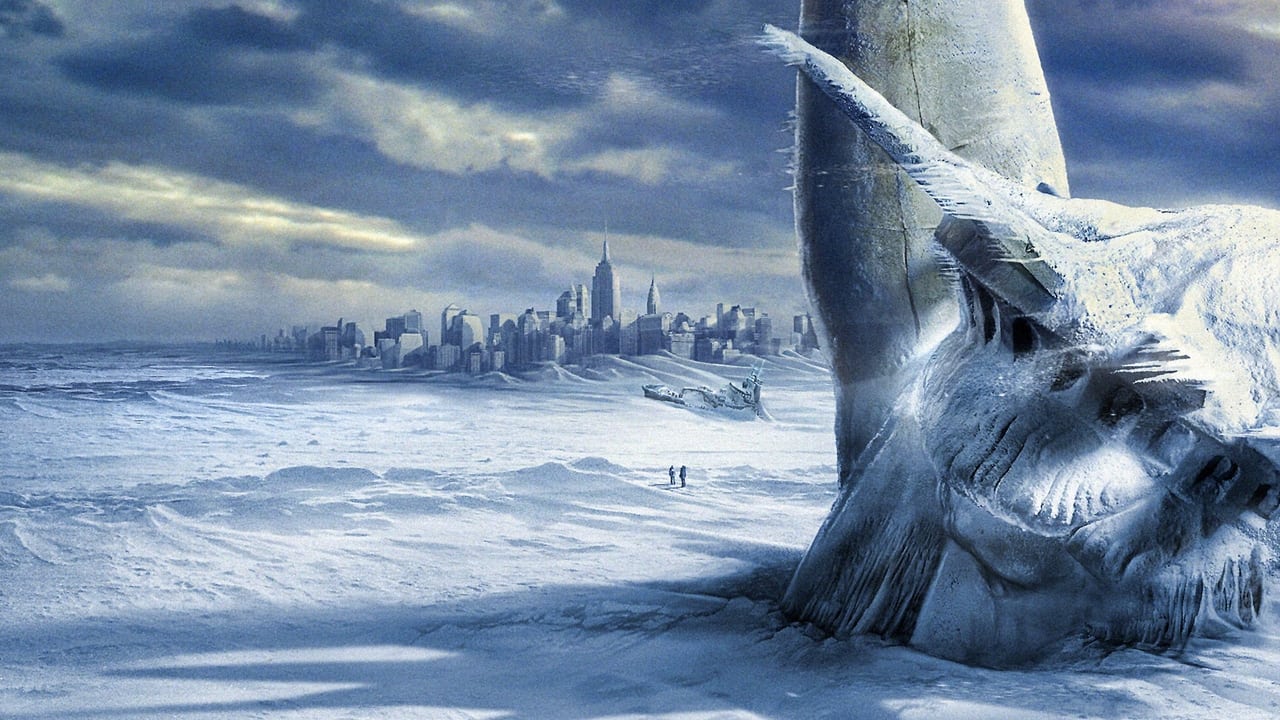
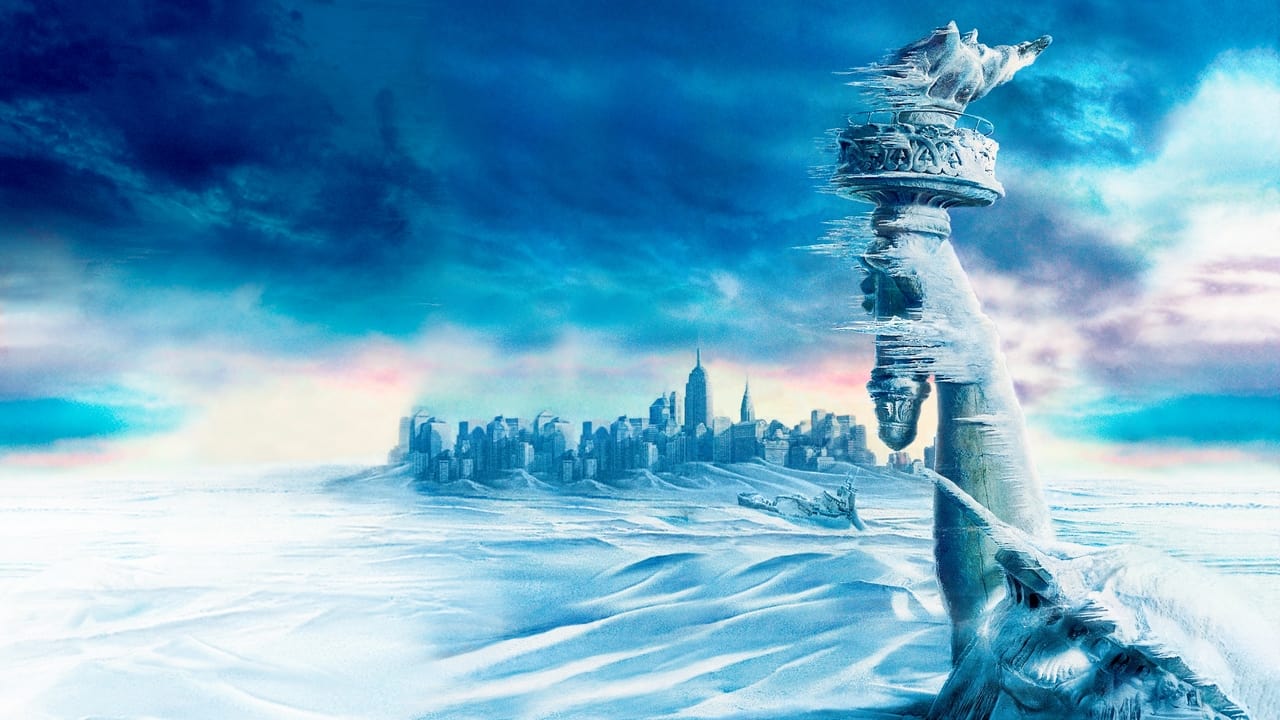
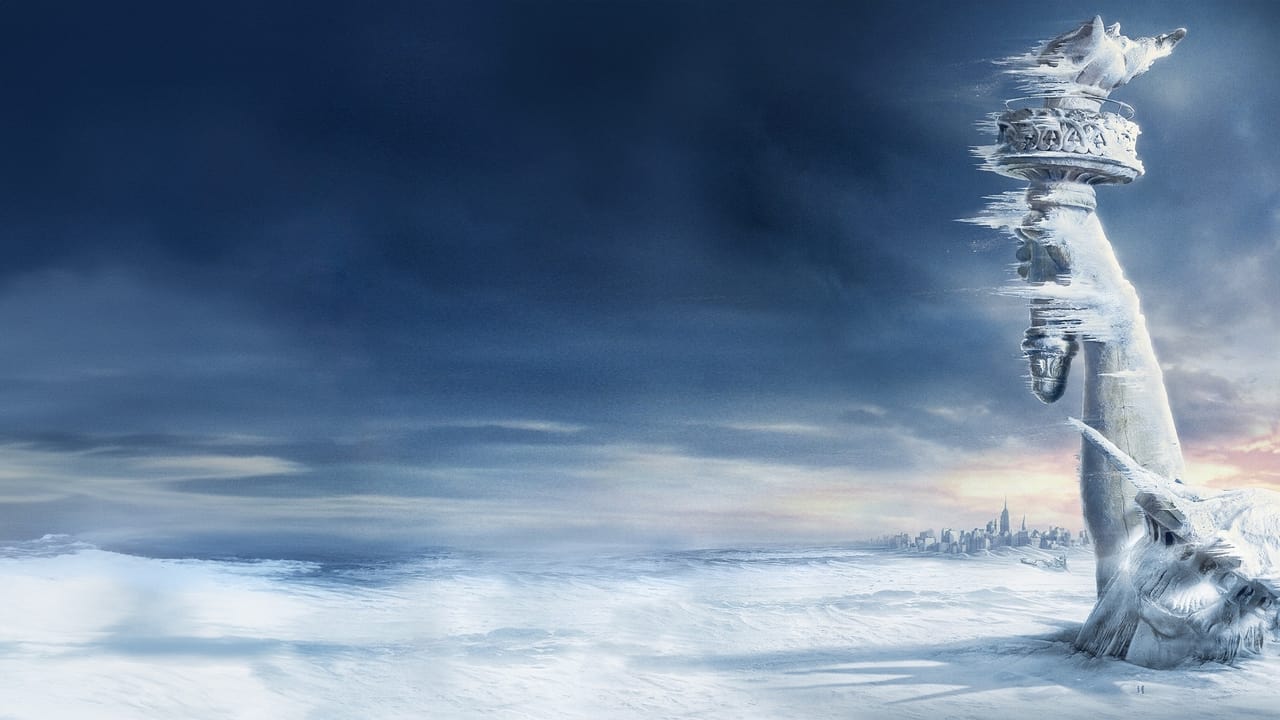
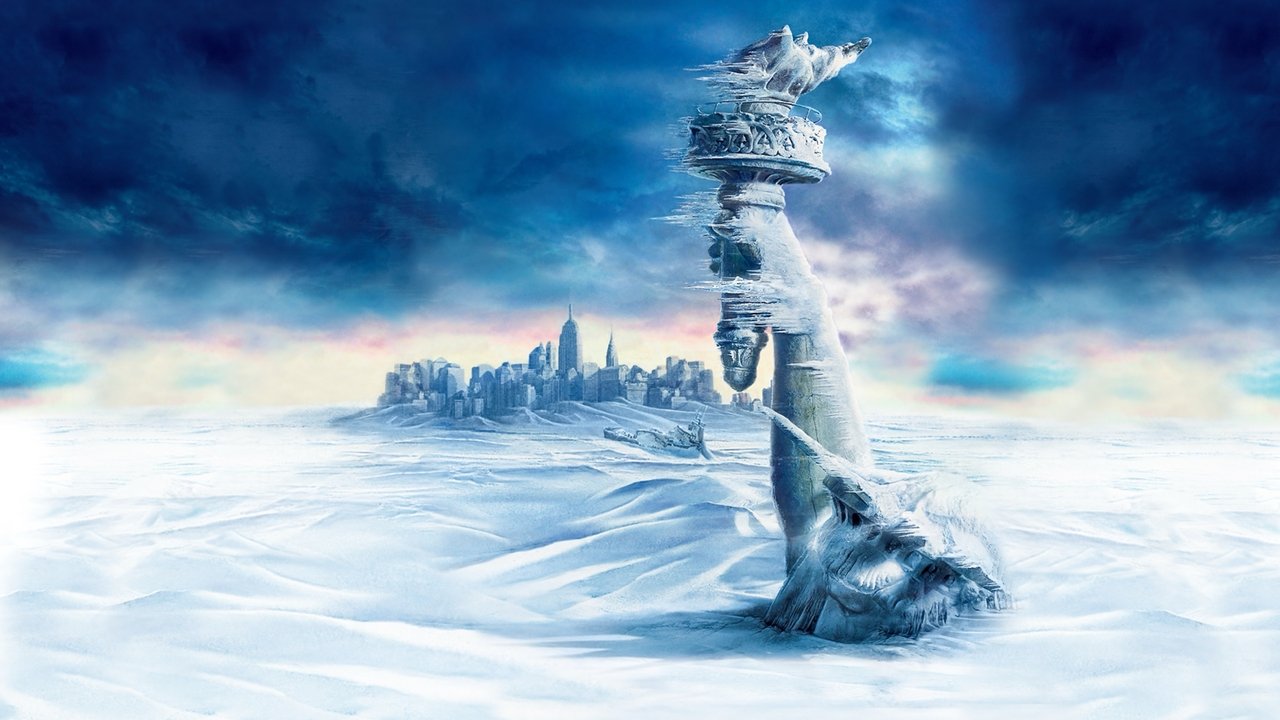
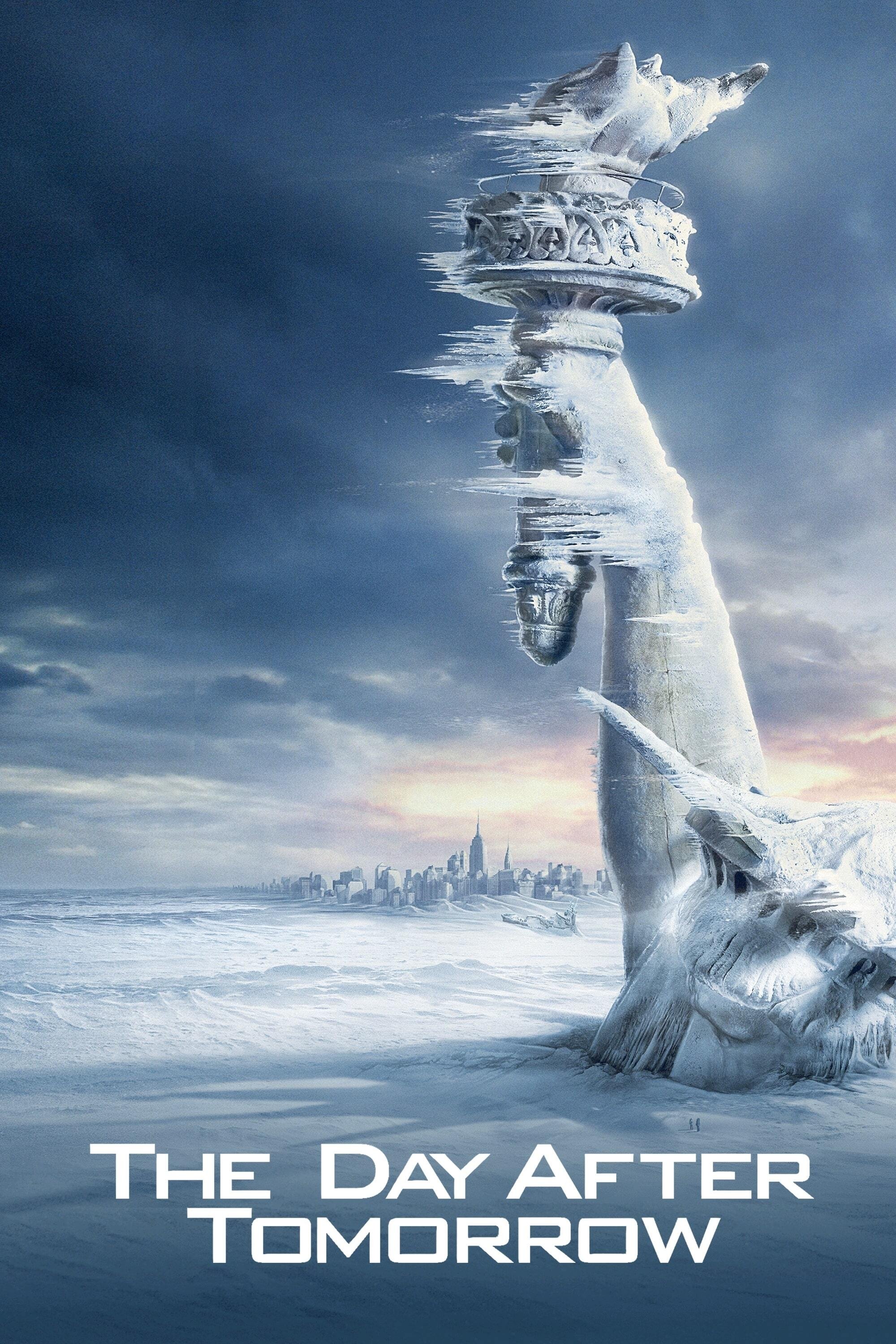
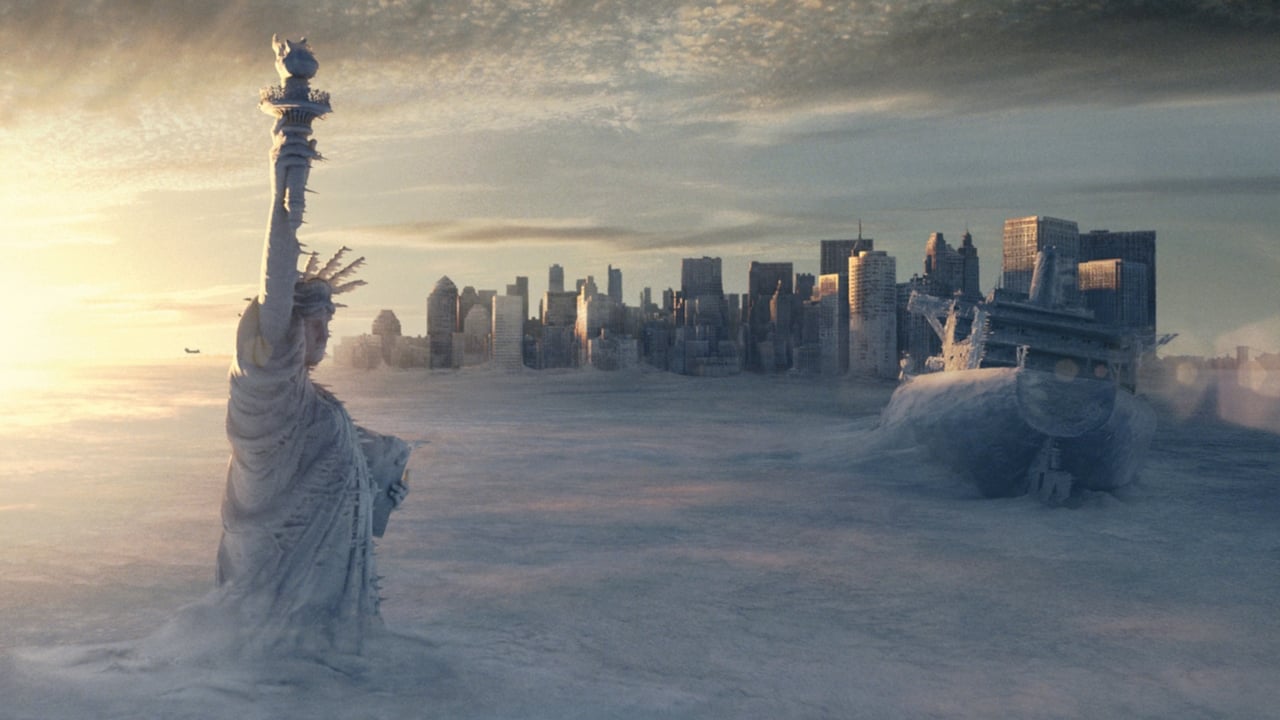
For its time, the scale of the 'what-if' scenario was massive. The visual of a frozen New York City and a flooded Los Angeles remains iconic, even if the CGI is starting to look a bit 'early 2000s.'

Safe
60

Rated PG-13 for intense peril. While there's no gore or sex, the film depicts mass death and destruction on a global scale. Some scenes, like the wolves on the ship or people literally freezing in place, can be unsettling for younger kids.

Enriching
55

It's a great conversation starter for climate change, but the actual science is essentially science-fiction. It’s more of a popcorn flick than an educational documentary, though it does prompt questions about environmental stewardship.

Parent Info

Why It Might Be Great

  • Epic Scale: If your kid loves seeing things get destroyed on a massive scale (think LEGO towers but with cities), this is the gold standard of 2000s disaster porn.
  • Father-Son Dynamic: Dennis Quaid’s character literally walks from D.C. to NYC in a blizzard to find his son, which is a pretty solid 'dad of the year' move.
  • Climate Conversation: It's a fantastic jumping-off point to talk about climate change and environmental policy, even if you spend half the time debunking the physics.
  • Low-Stakes Thrills: It’s intense enough to feel like a 'grown-up' movie for a 10-year-old without the trauma of R-rated gore or horror.

What to Watch For

  • The wolf scene on the abandoned ship is surprisingly tense and might be scarier for some kids than the actual tidal waves.
  • The runtime is over two hours, and the middle section in the library drags a bit for modern kids used to faster pacing.
  • The science is bunk: Don't let them use this as a source for a school project unless the project is about how Hollywood gets climate science wrong.

Conversation Starters

  • "If you were stuck in a library during a freeze, which books would you burn to stay warm and which would you save?"
  • "Why do you think the politicians in the movie didn't listen to the scientist until it was too late?"
  • "How would our city look if it were suddenly covered in 50 feet of snow?"
  • "What are some real things we can do to help the environment that aren't as dramatic as this movie?"

Deep Dive

The Roland Emmerich Effect

To understand The Day After Tomorrow, you have to understand Roland Emmerich. This is the guy who gave us Independence Day and 2012. He doesn't do subtle. He does 'The Statue of Liberty buried in snow' and 'Tidal waves hitting the Hollywood sign.' For a kid in 2026, this movie might look a little dated—the flip phones are a giveaway—but the sheer audacity of the destruction still lands.

Science vs. Spectacle

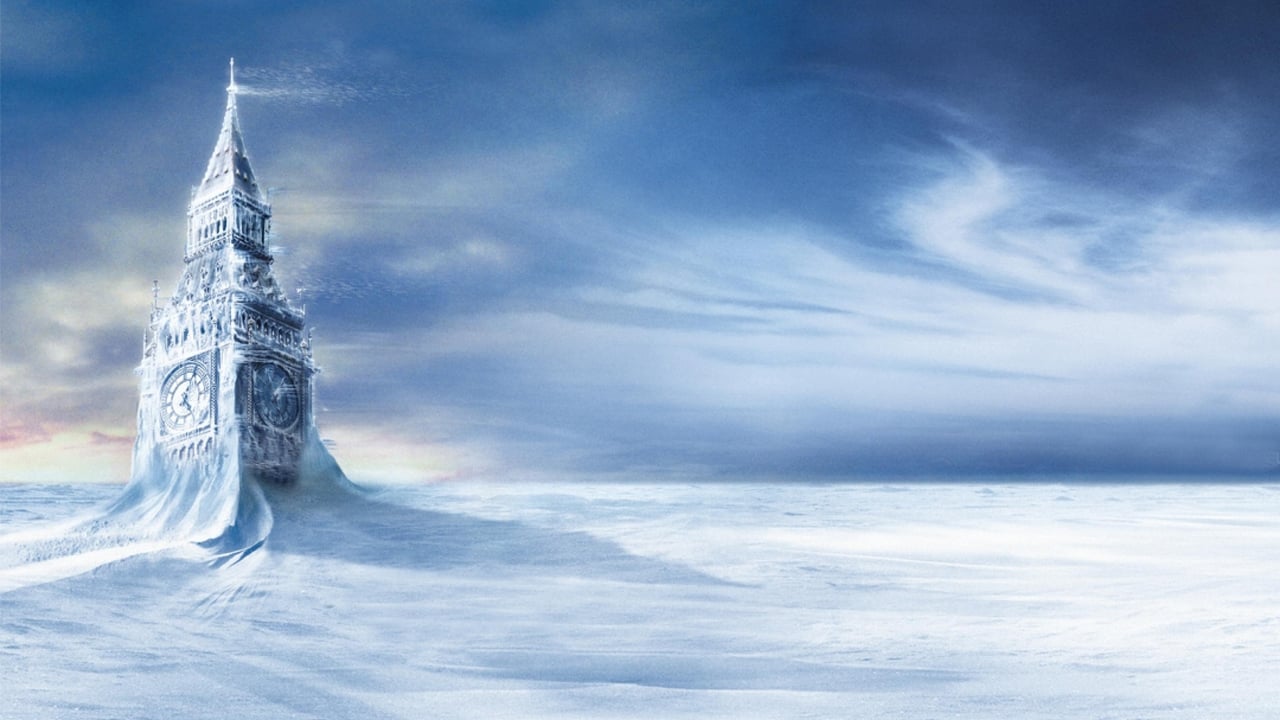
If you have a kid who is a bit of a science nerd, they are going to have a field day pointing out the flaws. You can't actually outrun a 'freeze' coming down a hallway, and the Gulf Stream doesn't just stop on a Tuesday. However, this is actually a feature, not a bug. It’s a great way to engage their critical thinking. Ask them: 'Why is this impossible?' or 'What would actually happen?'

Why it still holds up

Despite the 2004 vibes, the movie works because it keeps the stakes personal. We aren't just watching a map; we're watching Sam (a young Jake Gyllenhaal) try to survive in a library. It’s a survival story wrapped in a weather report. If your kids liked the recent Twisters or the classic Jurassic Park, this fits right into that 'nature is scary' niche without being a full-blown horror movie.

What Parents Ask

Stills
The Day After Tomorrow — still 1
The Day After Tomorrow — still 2
The Day After Tomorrow — still 3
The Day After Tomorrow — still 4
The Day After Tomorrow — still 5
The Day After Tomorrow — still 6
The Day After Tomorrow — still 7
The Day After Tomorrow — still 8

Ask Anything

Get a personalized guide on any topic