The 11-Hour Marathon
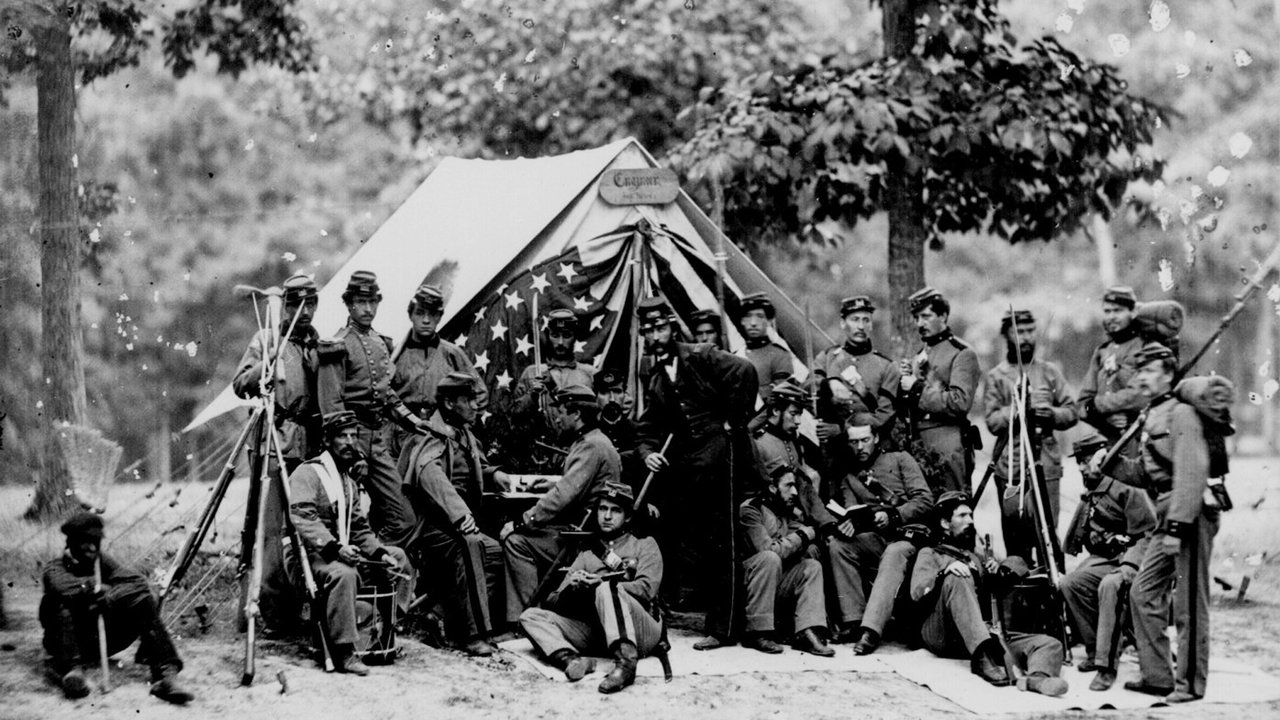
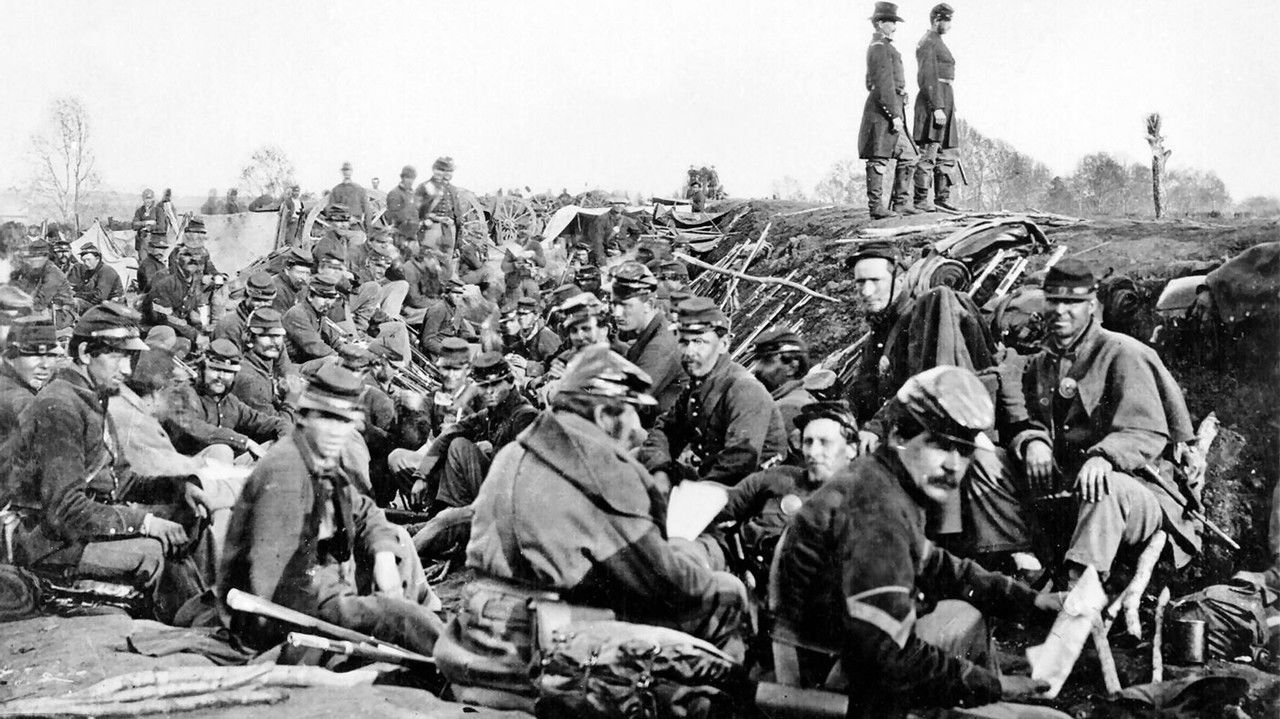
This isn't a "weekend binge" in the modern sense. It is a massive, 11-hour commitment that functions more like a college-level survey course than a standard TV show. Back in 1990, this was a cultural event that stopped the country, but for a teenager today, the pacing is the biggest hurdle. There are no reenactments with high-end CGI or fast-paced drone shots. Instead, you get a slow, methodical camera moving across old photographs while actors read letters.
It works because of that restraint, not despite it. The storytelling is a genuine art form that manages to make a still image of a battlefield feel more haunting than a big-budget action sequence. If your kid is used to the rapid-fire editing of modern YouTube, this will feel like a test of endurance. But for the right student, it’s the best "Civil War 101" content ever produced.
Why the Letters Matter
The secret sauce here is the primary source material. By focusing on personal letters from soldiers and their families, the show bridges the gap between dry dates in a textbook and the actual human cost of the conflict. You hear the voices of people who knew they were likely going to die, explaining why they were fighting.
This creates a level of empathy that most history documentaries struggle to achieve. It moves the needle from "this happened a long time ago" to "this happened to people just like us." When the narration covers the secession of the Confederacy or the assassination of Abraham Lincoln, it doesn't feel like a lecture; it feels like a tragedy.
Strategy for the "Slog"
Don't try to sit a 14-year-old down for a three-hour stretch of this. You will lose them. To make this work, treat it as a supplemental resource. If they are studying the mid-19th century in school, watch the specific episodes that align with their curriculum.
It’s one of the best history documentaries for kids because it treats the audience as adults. There is no talking down, no flashy gimmicks, and no oversimplification of the politics involved. If you want to find more History TV for families that balances this kind of academic rigor with actual engagement, look for shorter series first to build up their "documentary stamina."
The Reality of the "Masterpiece" Label
With a 9.0 on IMDb and a 4.3 on Letterboxd, the critical consensus is basically a wall of praise. But parents should realize those scores come from people who love history. If your teen finds the American Revolution or the World Wars boring, this won't be the thing that changes their mind. It is dense, it is long, and it is unashamedly intellectual.
The value is in the depth. It covers the war from the highest political levels down to the individual infantryman. If you have a kid who asks "why" five times after every fact you give them, this is the only show that actually has the answers. Just be prepared to be the one who hits "pause" to explain the context, because the show assumes you’re paying attention.