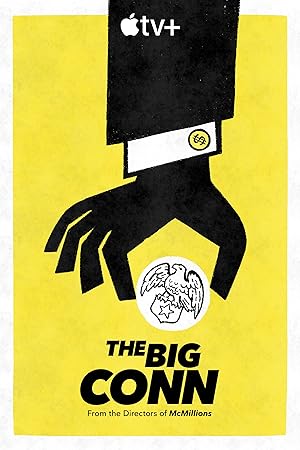
The "Hiding in Plain Sight" Factor
This isn't your standard dark-room-and-police-tape true crime. It’s more of a "how is this guy real?" character study. Eric Conn didn’t operate in the shadows; he put up massive billboards, called himself "Mr. Social Security," and turned a small-town Kentucky law practice into a fraudulent empire. For a teen who thinks government bureaucracy is just a snooze-fest of paperwork, this show is a wake-up call. It demonstrates how a single person can break a massive, boring system just by being louder and more shameless than everyone else.
If you’ve spent any time looking through the most bingeable Apple TV documentaries to watch, you know the platform has a thing for high-production-value scams. This fits right in. It’s flashy, the music is intentional, and the archival footage of Conn’s bizarre self-produced commercials adds a layer of surrealism that keeps it from feeling like a dry legal lecture.
If your teen likes "Scam-Core"
We’ve seen a massive wave of content lately focused on the "grind" and "hustle" gone wrong. If your kid was into the dramatized versions of The Dropout or Inventing Anna, this is the real-world equivalent. It’s a great bridge for moving a teen from prestige TV dramas into actual documentary territory.
The specific friction here is the bureaucracy. To understand why Conn’s $550 million theft matters, you have to understand how Social Security actually works. The show does a decent job of explaining it, but there are moments where the legal maneuvering gets dense. You might find yourself pausing to explain why a judge’s signature is such a big deal or how disability payments are structured. It’s not "boring" in the traditional sense, but it does require a level of attention that a standard slasher flick or reality show doesn't.
The Whistleblower Reality Check
The most useful part of this series for a 15-year-old isn't the crime itself—it's the aftermath for the people who spoke up. Most media portrays whistleblowing as a heroic, cinematic moment where the good guy wins and everyone claps. The Big Conn is much more honest about the cost. The people who tried to stop Conn didn't just get a pat on the back; they faced professional ruin and intense personal stress.
It’s a heavy topic, but it’s the kind of "real world" context that actually sticks. It moves the conversation away from "stealing is bad" and toward "doing the right thing is hard." If you're watching this together, the moments involving the two women who worked in the Social Security office are the ones that actually carry the emotional weight. They aren't flashy like Conn, but they're the reason the story has an ending at all.