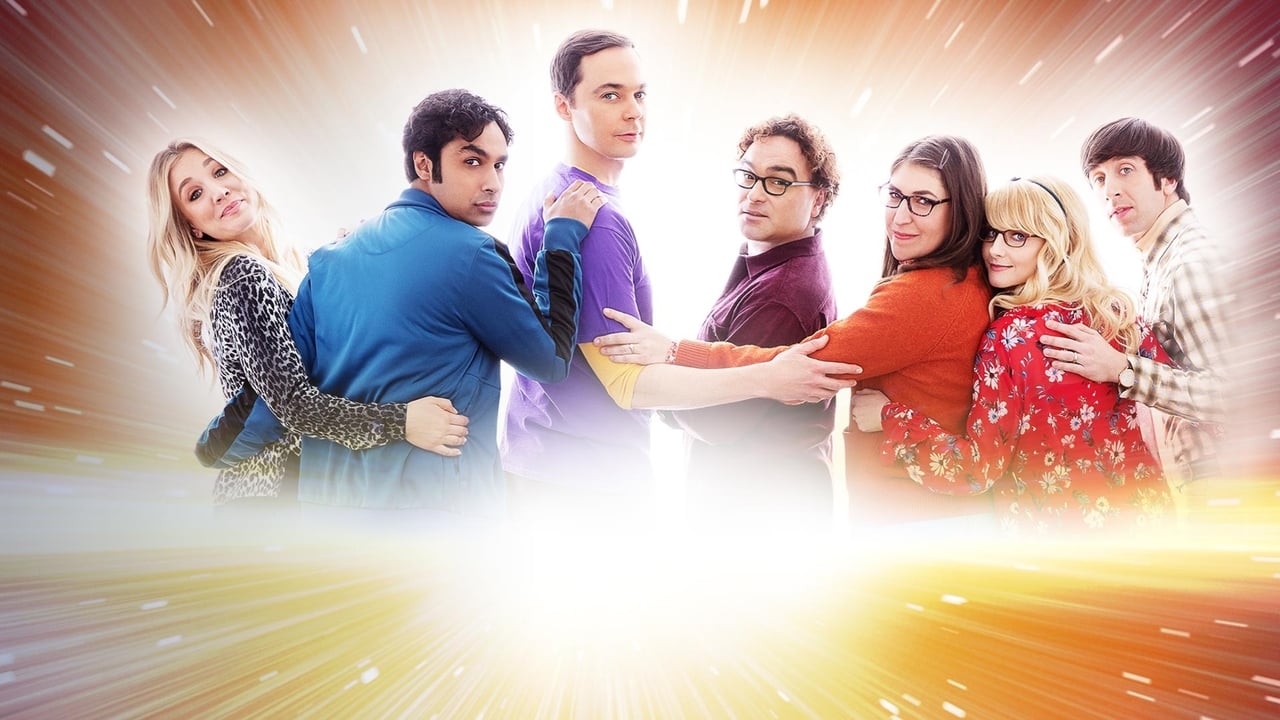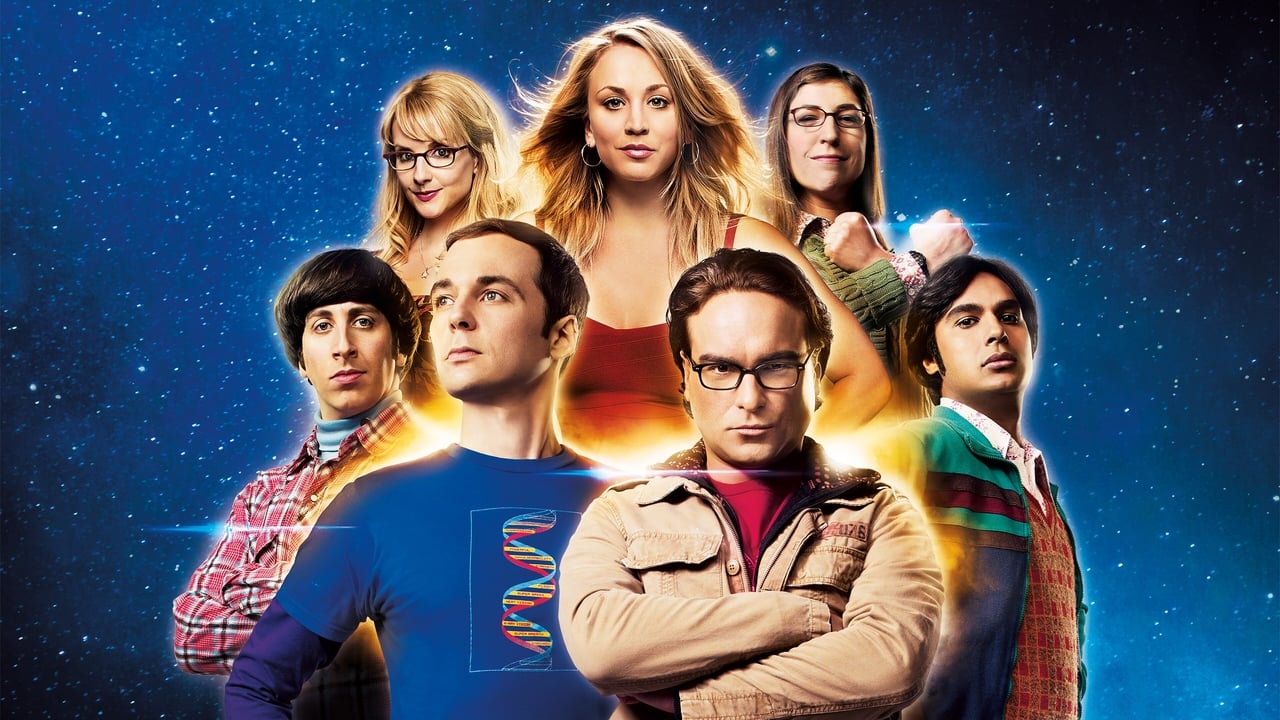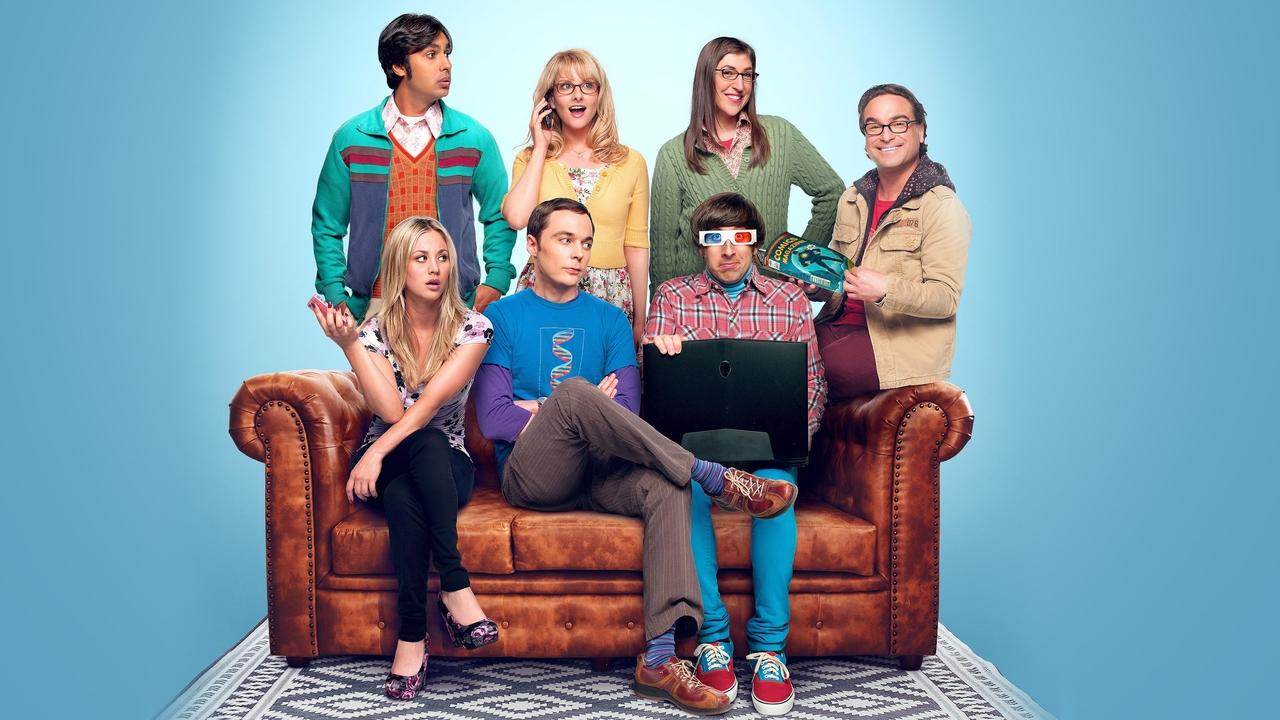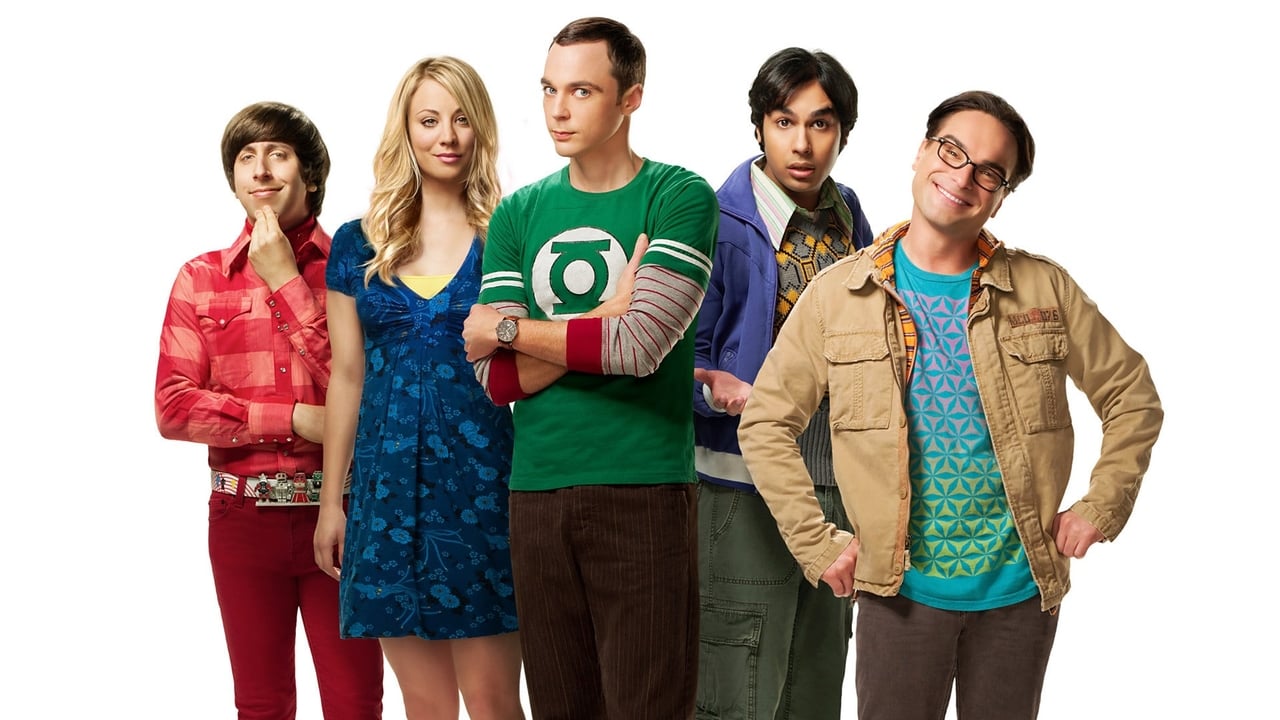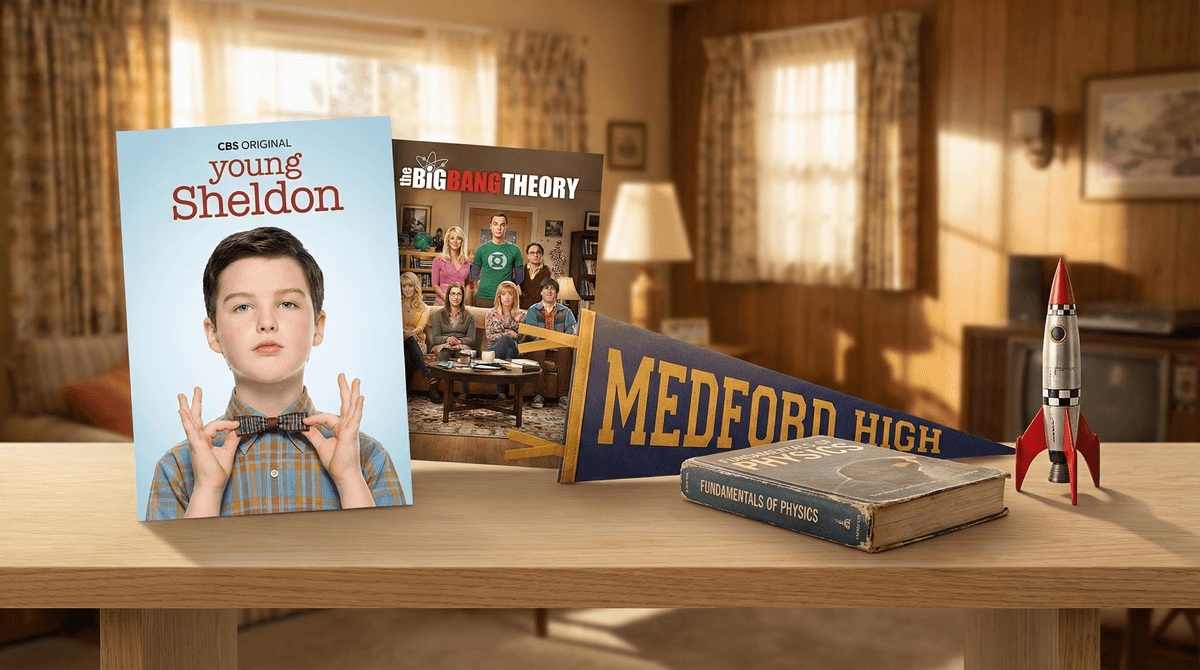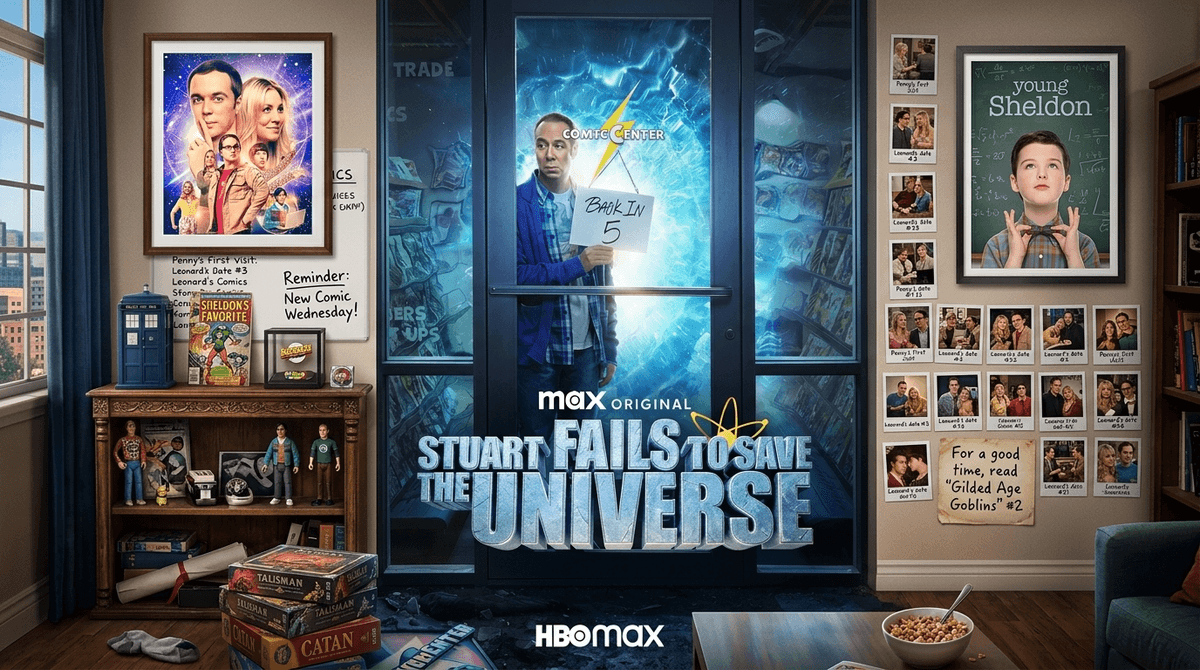
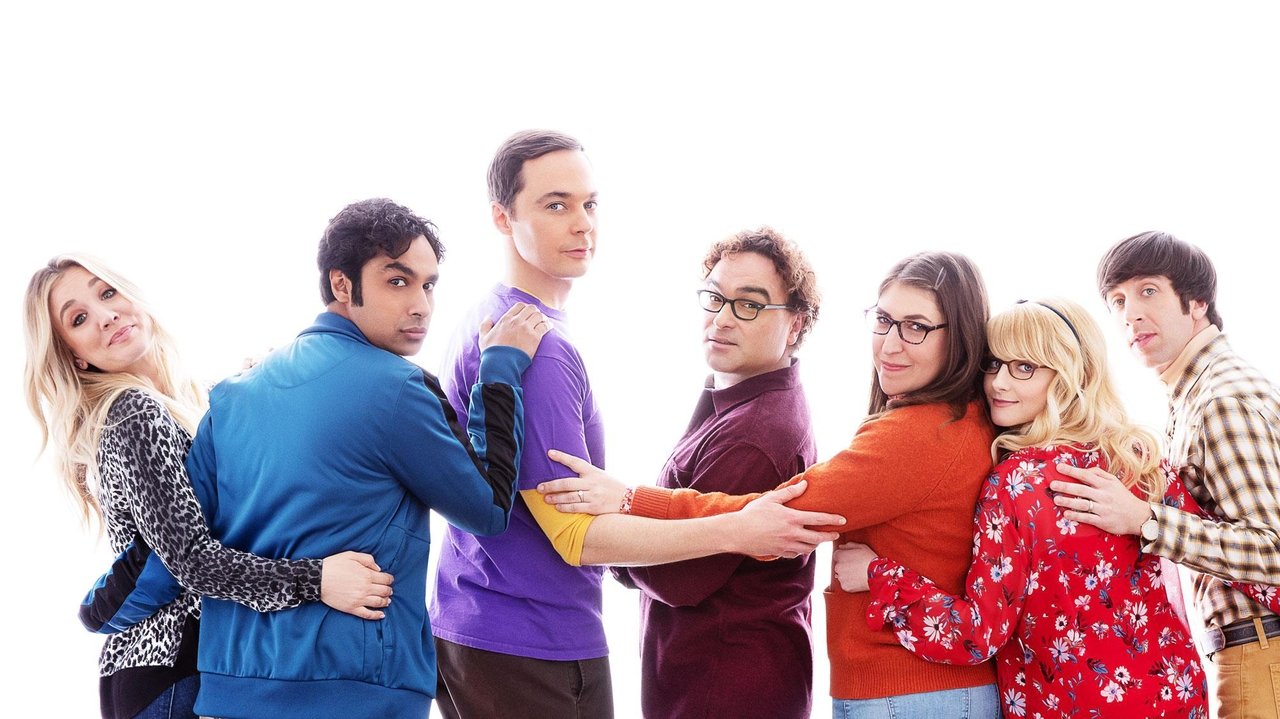
The Big Bang Theory

The Big Bang Theory

show

TV-PG, 2007, Comedy, Romance

WISE
42%

WISE Score

81

Avg. Tomatometer

Nerd stereotypes meet laugh-track sitcom in this dated comedy that mistakes mockery for affection and science references for actual science.

IMDb8.1
RT Critics81%
MC61
TMDB7.9
Common Sense Media
Where to Watch
Loading streaming options...
Screenwise Verdict

Here's the thing: The Big Bang Theory was massively popular for a reason—it's easy to watch, has a familiar sitcom rhythm, and occasionally lands a decent joke. But it hasn't aged well.

The show's core humor relies on laughing AT its characters rather than WITH them. Sheldon's clearly neurodivergent traits are the butt of endless jokes. Howard's treatment of women (especially early seasons) crosses from 'awkward nerd' into 'why isn't anyone stopping this guy?' territory. The show pays lip service to science but rarely explores it meaningfully—it's just set dressing for stereotype-reinforcing comedy.

For modern kids, especially Gen Z, this style of humor increasingly feels dated and mean. The laugh track tells you when cruelty is supposed to be funny. The 'nerds are weird, normal people are hot but dumb' dynamic is tired. And if you actually want your kid to get excited about science, there are far better options that don't require wading through 12 seasons of questionable sexual jokes.

If your teen discovers it and wants to watch? Fine. But don't feel like you're missing out if they skip it entirely—they're probably not missing much.
Age Fit

Best for teens 14+ who can recognize problematic humor for what it is. The sexual references, creepy behavior, and mean-spirited mockery make it inappropriate for younger kids, and honestly, Gen Z teens increasingly find it cringey and dated anyway.

WISE Breakdown
Wholesome
52

The show relies heavily on mean-spirited humor, particularly mocking nerd culture and using Sheldon's undiagnosed neurodivergence as a punchline. While there are moments of friendship, the constant put-downs, Sheldon's condescension, and Howard's creepy behavior toward women undermine emotional health. The laugh track reinforces mockery rather than genuine connection. Pacing is fine, but the tone often rewards cruelty disguised as comedy.

Imaginative
48

Despite a science-adjacent setting, the show rarely explores actual scientific concepts in meaningful ways—it's mostly surface-level references used as setup for jokes. There's minimal invitation for curiosity or creative thinking; the formulaic sitcom structure (apartment, comic book store, repeat) offers little exploration. The 'nerd culture' is more stereotype than celebration, and viewers aren't encouraged to build or discover anything themselves.

Safe
68

No graphic violence, gore, or explicit sexual content, though there are frequent sexual references and innuendos throughout. Howard's behavior toward women in early seasons is genuinely creepy and inappropriate (stalking, unwanted advances). Raj's selective mutism around women is played for laughs. The show includes alcohol use and some crude humor. No major trigger warnings, but the persistent sexual jokes and objectification of women (especially Penny initially) make it less safe for younger viewers than the sitcom format suggests.

Enriching
38

Limited cognitive or ethical growth opportunities. The show occasionally touches on friendship and relationships but mostly reinforces stereotypes about 'nerds vs. normal people.' Science is window dressing rather than genuinely educational. Character development is slow and often regresses for comedic purposes. The primary takeaway is that smart people are socially awkward and 'regular' people don't understand them—not particularly empowering for either group. Entertainment value exists but is dated and repetitive.

Parent Info
✓

Why It Might Be Great

  • Introduces pop culture references to comics, gaming, and sci-fi that some kids find relatable
  • Long-running show means tons of episodes if your teen gets hooked
  • Occasional moments of genuine friendship between the core group
  • Some representation of STEM careers, even if superficial
⚠

What to Watch For

  • Howard's behavior toward women in early seasons is genuinely creepy—not just 'awkward,' but boundary-violating
  • Constant sexual innuendo and references throughout (this isn't a family show despite the sitcom format)
  • Sheldon's clearly neurodivergent traits are consistently mocked as the primary source of humor
  • The show's 'nerd vs. normal' dynamic reinforces stereotypes rather than breaking them down
  • Laugh track tells you when to find cruelty funny

Conversation Starters

  • "Why do you think the show treats Sheldon's behavior as annoying rather than just different?"
  • "How do you feel about the way Howard talks to and about women, especially early on?"
  • "Do you think the show actually makes science interesting, or just uses it as decoration?"
  • "What's the difference between laughing with someone and laughing at them?"
Stills
The Big Bang Theory — still 1
The Big Bang Theory — still 2
The Big Bang Theory — still 3
The Big Bang Theory — still 4
The Big Bang Theory — still 5
The Big Bang Theory — still 6
The Big Bang Theory — still 7
The Big Bang Theory — still 8

Ask Anything

Get a personalized guide on any topic