Our reviews and ratings are 100% unbiased. Screenwise is a Bookshop.org affiliate and an Amazon Associate, so if you buy a book through one of our links, we may earn a commission. Bookshop.org purchases also support independent bookstores.
Screenwise Verdict
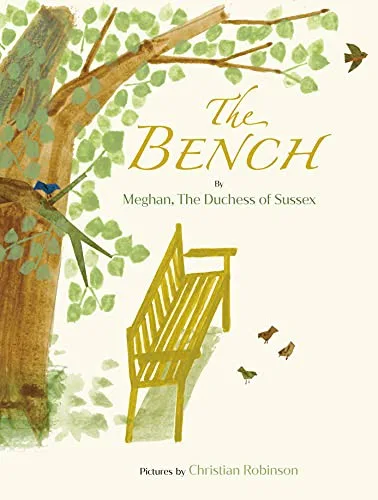
Corinna Luyken has a knack for taking a tiny concept—a mistake, a heart, or in this case, a bench—and making it feel like the center of the universe. The Bench isn't a book with a frantic plot or a hero's journey; it’s a book about the heroics of just being a decent person in a shared space.
It’s the ideal 'wind-down' book. If you're trying to reset the energy after a day of loud toys or chaotic cartoons, this is the palate cleanser. It’s beautiful, it’s intentional, and it’s one of those rare titles that actually earns its spot on a permanent bookshelf.
Age Fit
Perfect for the 3-8 crowd, but honestly, it's one of those 'all ages' art books that a weary 40-year-old would find just as grounding as a preschooler.
WISE Breakdown
Wholesome
96
It is a masterclass in quiet kindness and community-building, modeling how to make space for others without being preachy.
Imaginative
88
Luyken uses a single setting to explore a wide range of human emotions and interactions through her signature, expressive art style.
Safe
100
Completely safe. It's a gentle picture book with zero trigger content or mature themes.
Enriching
92
Develops social-emotional strands like empathy and inclusion through visual storytelling rather than just text.
Parent Info
✓
Why It Might Be Great
Stunning visual storytelling that uses ink and neon-pop colors to show how people connect in physical spaces.
Focuses on inclusion in a way that feels organic—it's about making room on the bench, literally and figuratively.
Perfect for 'slow' reading; the kind of book where you spend five minutes looking at one page to see what all the kids are doing.
Builds empathy by showing the small, often missed moments of kindness between strangers.
⚠
What to Watch For
It is a very quiet book. If your kid is currently in a high-octane 'Dog Man' phase, the pacing here might feel like watching grass grow initially.
The abstract art style means some of the 'story' is told through body language and negative space, which might require a little more parent-led pointing for younger toddlers.
Conversation Starters
"When you see someone sitting alone, how can you tell if they want company or if they want to be by themselves?"
"What are some ways we can 'make room' for a new friend at school or the park?"
"If this bench could talk, what's the most interesting thing it would say it saw today?"
"Why do you think the artist chose to use those bright colors for some parts and just black ink for others?"