The "FIFA" to fiction pipeline
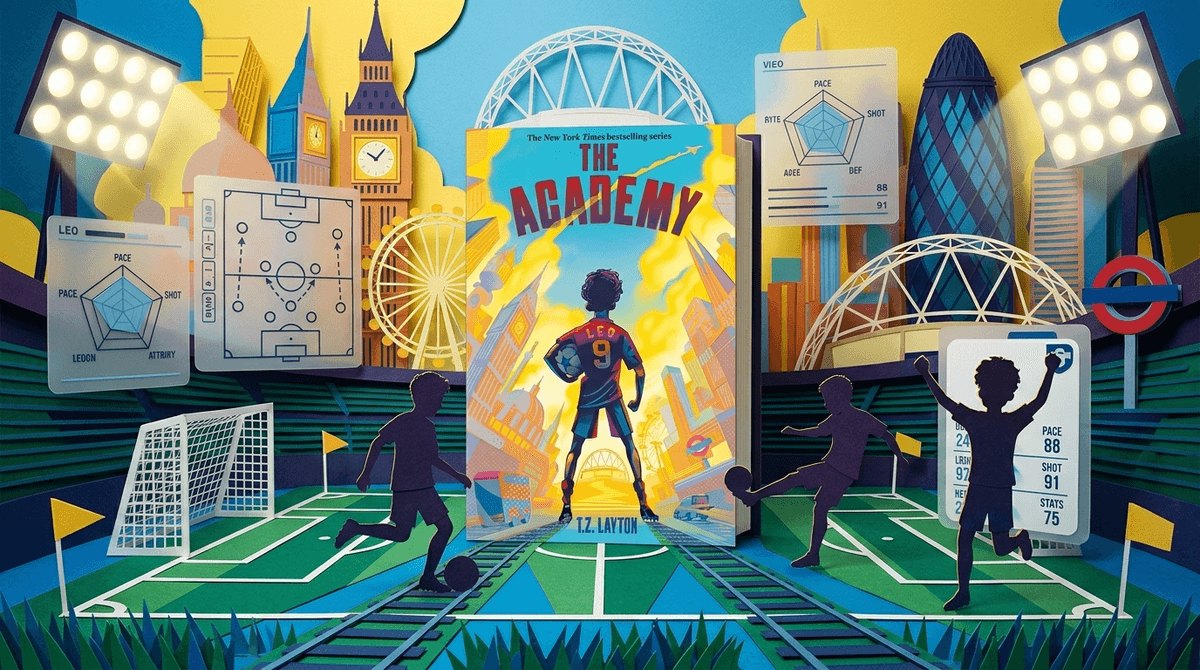
If you have a kid who treats their game console like a vital organ, you know the struggle of getting them to pick up a book. T.Z. Layton clearly understands this demographic. The Academy works because it doesn't try to be "important" literature; it tries to be as addictive as a weekend league grind in FC 25.
The prose is lean and moves at a sprint. Layton relies on short chapters and cliffhangers that mirror the pacing of a televised match. It’s the ultimate hook book for kids who think reading is a slow-motion chore. If you've been looking for the soccer book that actually competes with FIFA, this is the current gold standard. It captures the specific "vibe" of modern soccer culture—the boots, the scouts, the global scale—without feeling like a parent trying too hard to sound cool.
High stakes and imposter syndrome
While the "small-town kid makes it big" setup is a staple of the genre, the friction here feels earned. Leo’s transition from a kid who has never seen the ocean to a prospect in London is a massive jump, and the book doesn't hand-wave the anxiety that comes with that. The psychological aspect is actually the strongest part of the writing.
We see Leo grapple with the realization that being the best player in your hometown means absolutely nothing when you’re standing on a pitch with 199 other "best players" from around the globe. That specific brand of imposter syndrome is something a lot of competitive kids feel but rarely talk about. It makes the story feel less like a sports fantasy and more like a survival guide for high-pressure environments. For parents, this is a great opening to talk about how Leo handles the "terrifying" camp director or the roommate who has forgotten how to have fun.
Where it sits on the shelf
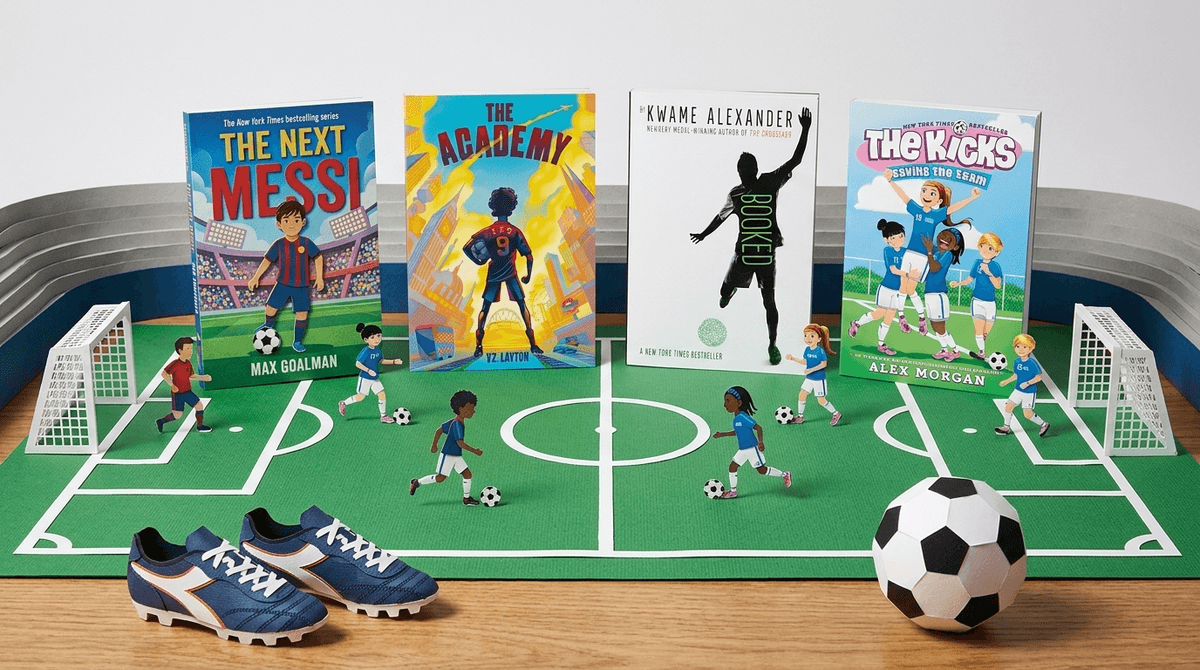
If your reader is on the younger end of the 7-13 range, they might have already cycled through The Next Messi series. The Academy is the logical "level up" from those books. It’s a bit more grounded and trades some of the whimsy for a closer look at the professional machine.
The bully character is admittedly mid—he’s your standard-issue arrogant rival who exists mostly to give Leo an immediate obstacle. But the broader world-building of the London Dragons academy is top-tier. It gives kids a peek behind the curtain of the Premier League youth systems, which is exactly what a soccer-obsessed middle schooler wants.
Don't expect a deep literary exploration of the human condition. Expect a fast, fun, and surprisingly tense sports drama that actually respects the technical intelligence of its audience. It’s a 4.8-star experience on Amazon for a reason: it knows its lane and stays in it.