The "less is more" paradox
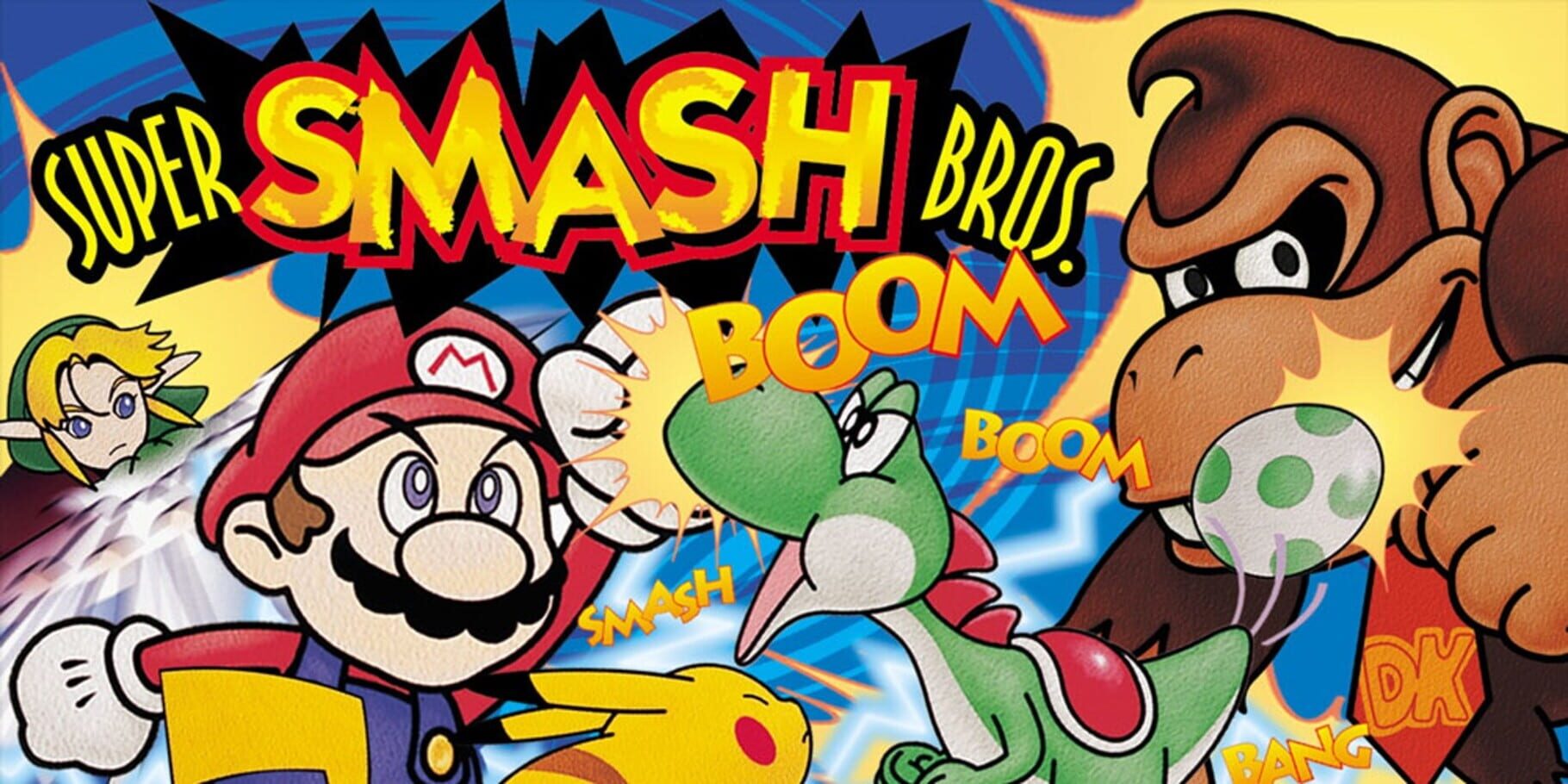
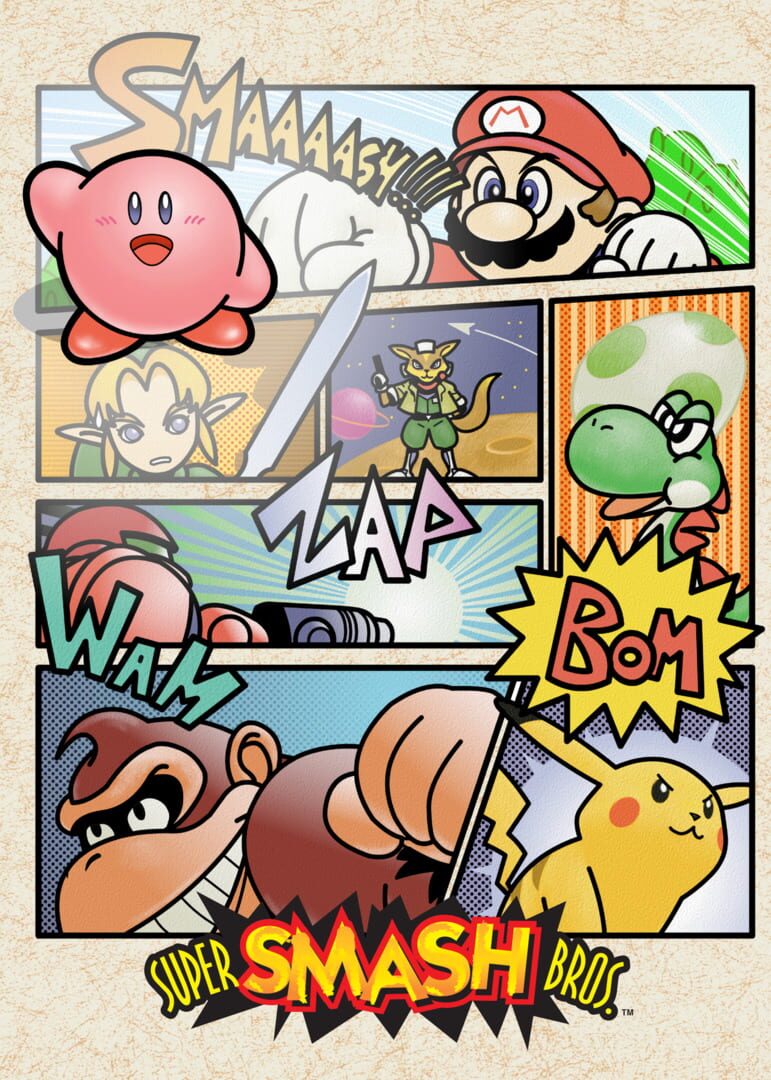
If your kid is used to the sensory overload of modern sequels with their 80+ characters and endless menus, the 1999 original is going to feel like a skeleton. But there’s a specific magic in that. With only 12 characters, the game is remarkably balanced and easy to wrap your head around. You don't need a spreadsheet to understand the meta; you just need to know that Pikachu is fast and Donkey Kong hits like a truck.
For a parent, this simplicity is a feature, not a bug. It’s the rare fighting game where you can actually understand everything happening on screen. There are no complex "super moves" that require memorizing a dozen button inputs. It’s all about positioning and timing. If you’re trying to figure out what your kid’s gaming habits reveal about their personality, watch how they play this. The kid who picks Link and hangs back to fire arrows is playing a very different mental game than the one who picks Kirby just to turn into a rock and crush people.
The friction of the era
We have to talk about the hardware. If you are playing this on an original Nintendo 64, you are dealing with one of the most chaotic controller designs in history. That three-pronged plastic trident is a hurdle for small hands used to the sleek ergonomics of a tablet or a modern console. Even on the Wii, the controls can feel "heavy" compared to the frame-perfect snappiness of recent releases.
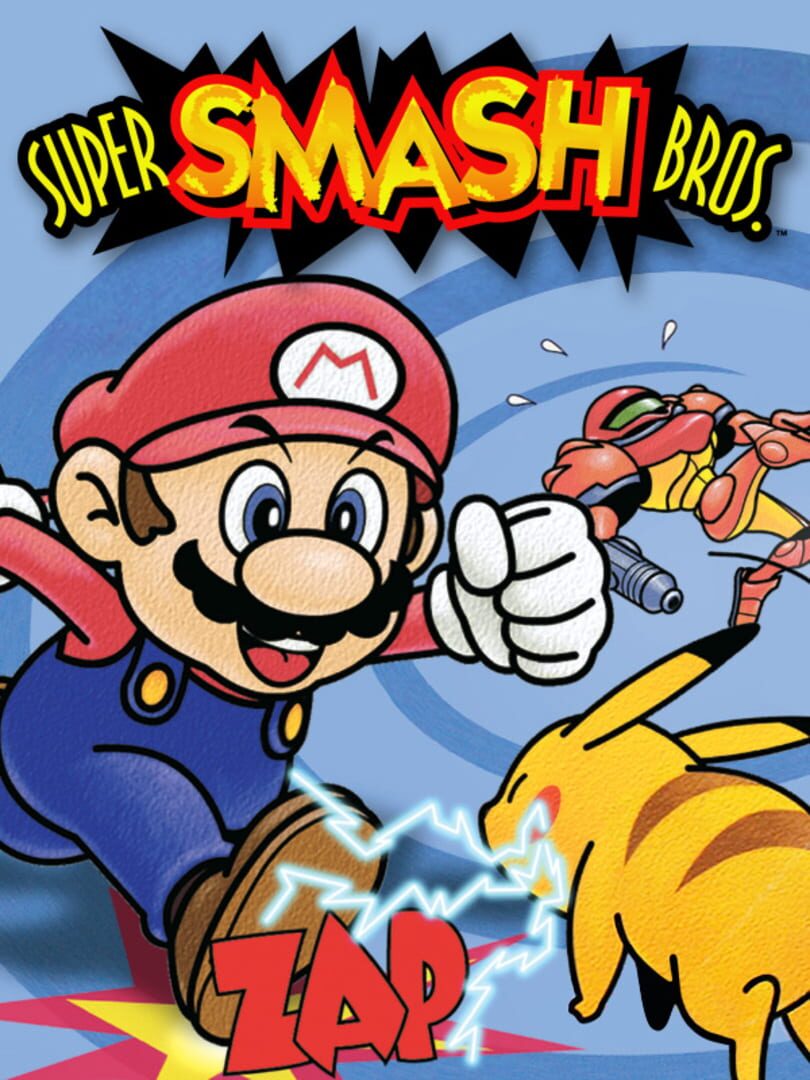
The graphics are another hurdle. We’re talking about the early days of 3D, where Mario’s nose is essentially a brown cube. Some kids will find this "retro-cool," while others will complain that it looks like it was made out of Duplo blocks. If they can get past the visuals, they’ll find a game that is surprisingly sweaty. The AI in this game doesn't pull punches, and the "Board the Platforms" and "Break the Targets" mini-games are genuinely challenging tests of coordination.
Physics over health bars
The genius of the series started right here: the percentage meter. Most fighting games are a race to zero, but Smash is a race to the horizon. The higher your percentage, the further you fly when hit. This changes the emotional stakes of a match. In a traditional fighter, having 10% health feels like a death sentence. In Smash, having 150% damage makes you a glass cannon—you're one hit away from flying into the stratosphere, but you’re still fully dangerous until that happens.
This mechanic keeps the "cartoon chaos" feel front and center. Because the goal is to knock someone off the stage rather than "deplete" them, the violence feels more like a game of tag played with hammers. It’s the textbook definition of what fantasy violence is and why it matters in a kid’s media diet. It’s slapstick, not cruelty. There’s no blood, no bruising, and the characters just reappear on a floating platform a second later, ready for more.
Why bother with the 1999 version?
If you have a Nintendo Switch, you probably already have the newer, shinier versions. So why play this one? It’s about the purity of the experience. Modern Smash games are "everything museums" filled with trophies, stickers, and complex spirits systems. The 1999 version is just a bunch of friends in a basement trying to throw each other off a giant floating Nintendo 64.
It’s a great "intro to gaming history" lesson that doesn't feel like homework. It’s also a way to level the playing field. Your kid might be a pro at the new ones, but the physics and timing of the original are different enough that you might actually stand a chance of winning a round or two. Just don't be surprised if the lack of a "save" feature or online play leads to a few "Wait, that’s it?" moments. It’s a short, punchy experience that’s meant to be played in 20-minute bursts, making it a perfect choice for a quick pre-dinner match.