The Subspace Emissary is the real reason to play
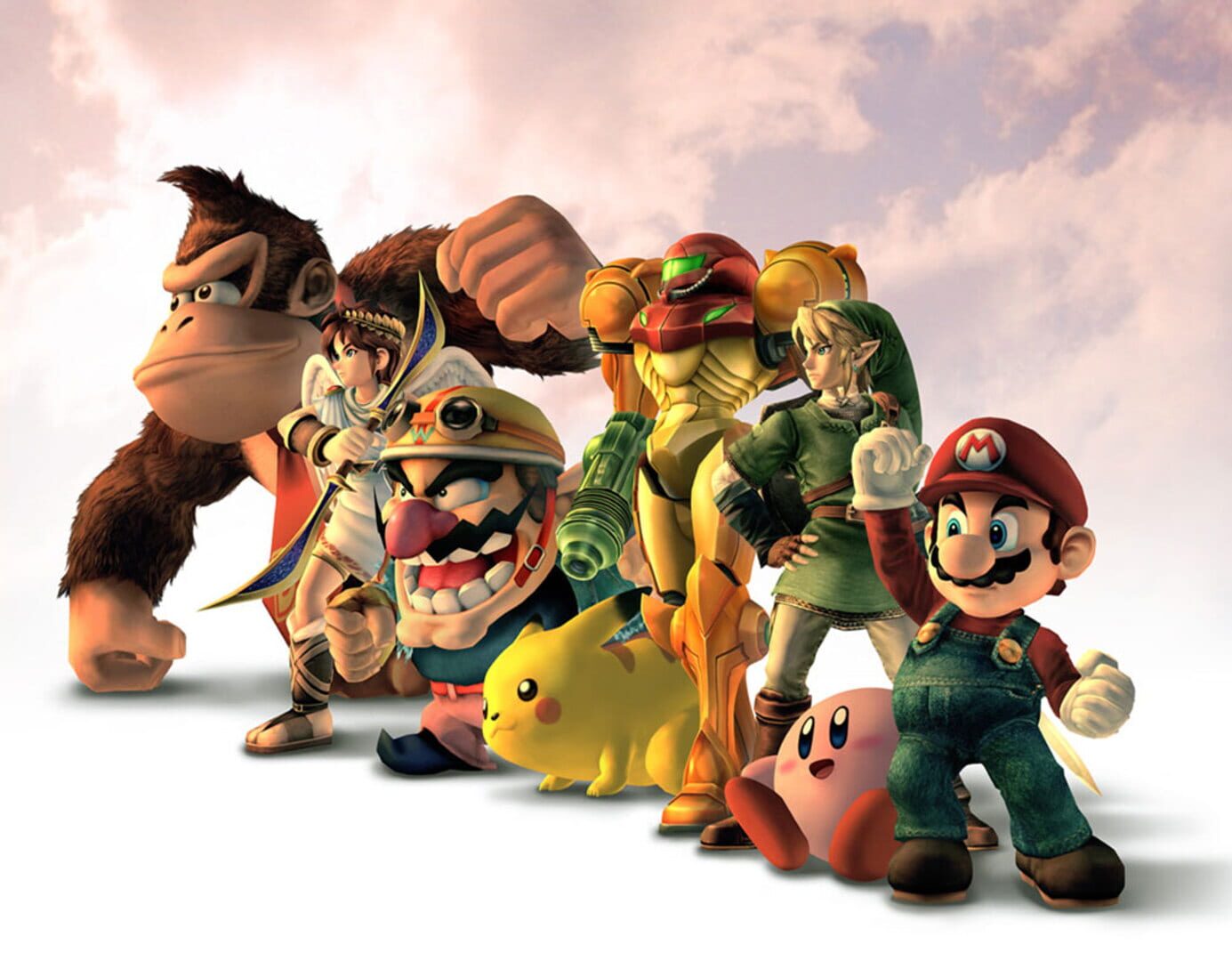
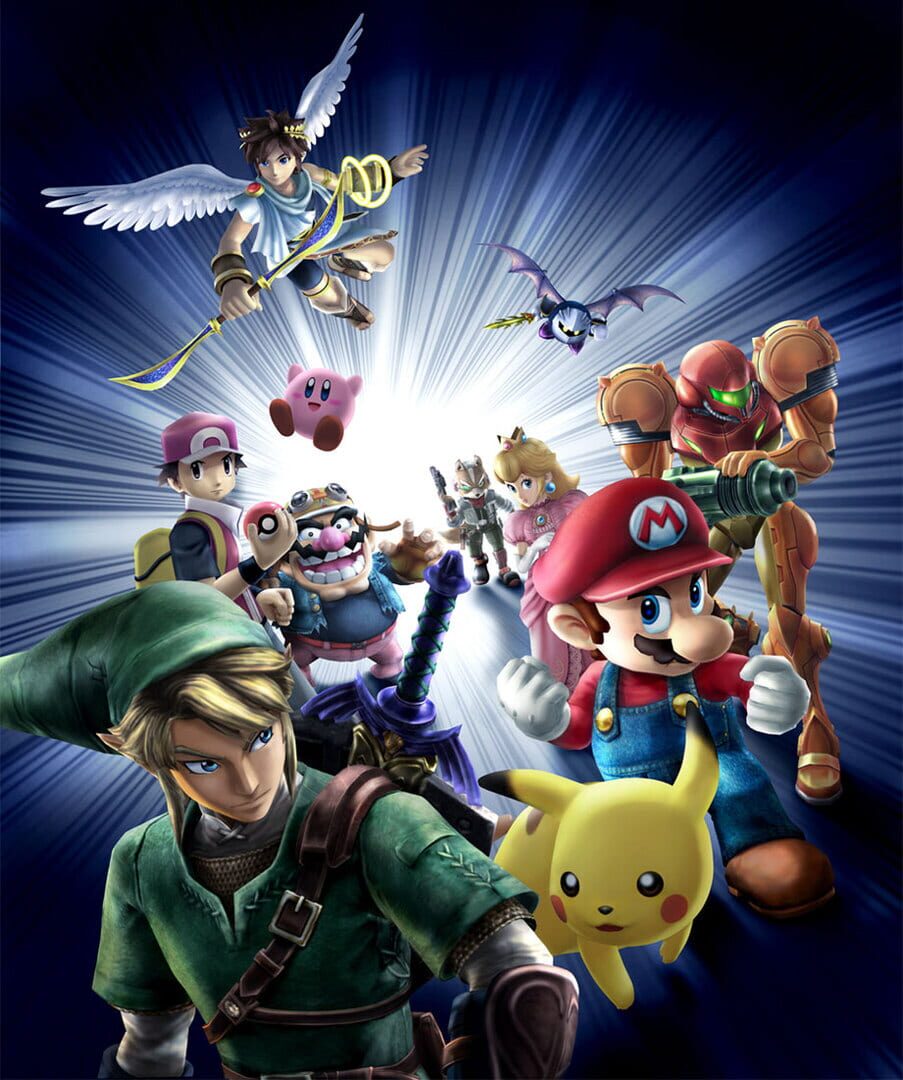
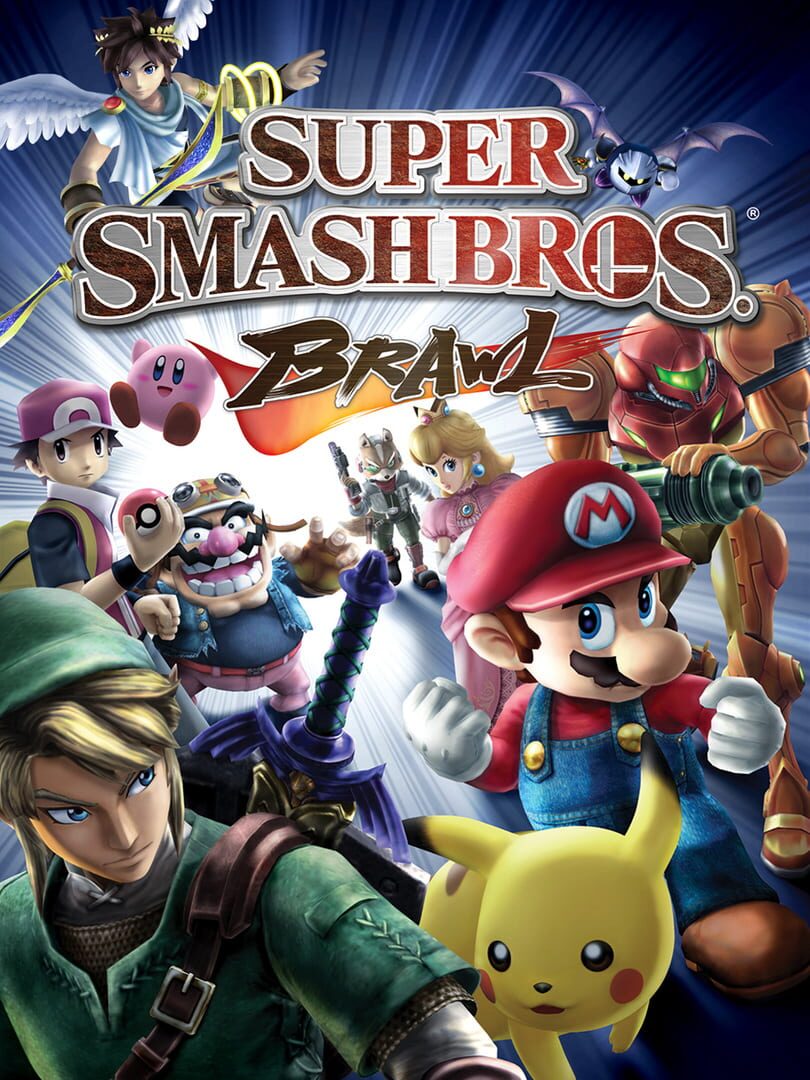
While every Smash game is a brawler first, Brawl is unique because it contains a massive, side-scrolling platformer campaign called The Subspace Emissary. If your kid finds the standard "four people hitting each other on a platform" loop a bit repetitive, this mode is the hook. It features wordless, cinematic cutscenes where characters like Pikachu and Samus team up to fight an army of shadow creatures. It’s essentially a high-budget crossover fan-fiction brought to life.
For a parent, this mode is a godsend because it’s cooperative. You can play through the entire story with your kid, which is a much better bonding experience than getting spiked off a ledge by them for the tenth time in a row. It turns a competitive fighting game into one of the best nintendo wii games for families looking for a shared adventure.
Understanding the "floaty" physics
If your household has played the newer Super Smash Bros. Ultimate on the Switch, Brawl is going to feel weird at first. The movement is slower, and characters stay in the air much longer after a jump—a feeling fans call "floaty." There’s also a notorious mechanic where characters will randomly trip and fall while running. It was designed to make the game less competitive and more of a "party" experience, but for a kid who is used to the precision of modern games, it might feel like the controller is broken.
If you are digging through a bin of old discs and trying to decide which ones are the best wii games for kids and tweens ages 8 to 12, Brawl is a top-tier pick, but only if you have the right controllers. Playing this with a sideways Wii Remote is a nightmare. If you can find the classic Pro controllers or the GameCube adapter, the experience goes from frustrating to legendary.
The Final Smash chaos
This was the entry that introduced the "Final Smash"—a glowing orb called a Smash Ball that floats around the screen. Whoever breaks it gets to unleash a screen-clearing super move. In the gaming world, this is a polarizing feature. Hardcore players often turn it off because it’s "unfair," but for a casual family night, it’s the highlight.
It levels the playing field. A younger sibling who isn't great at the combos can grab a Smash Ball and suddenly be the most powerful player on the screen. It creates those high-energy "yelling at the TV" moments that defined the Wii era. If you’re looking for the best family wii games of all time, Brawl earns its spot through this specific brand of chaotic, unpredictable fun that doesn't require a PhD in fighting games to enjoy.
The "Vault" and creative extras
Beyond the fighting, Brawl is a massive digital museum. There is a "Vault" where kids can spend coins earned in-game to play a coin-launcher mini-game and collect virtual trophies of Nintendo characters. For a certain type of kid—the collector, the completionist—this is more addictive than the actual fighting.
There’s also a Stage Builder. It’s primitive by today’s standards, but it allows for basic level design. If your kid spent any time in Super Mario Maker or Roblox, they’ll likely spend hours building "impossible" stages filled with spikes and conveyor belts just to see how the AI handles it. It’s a quiet, creative outlet in an otherwise loud, punchy game.