The civics lesson in the center of the storm
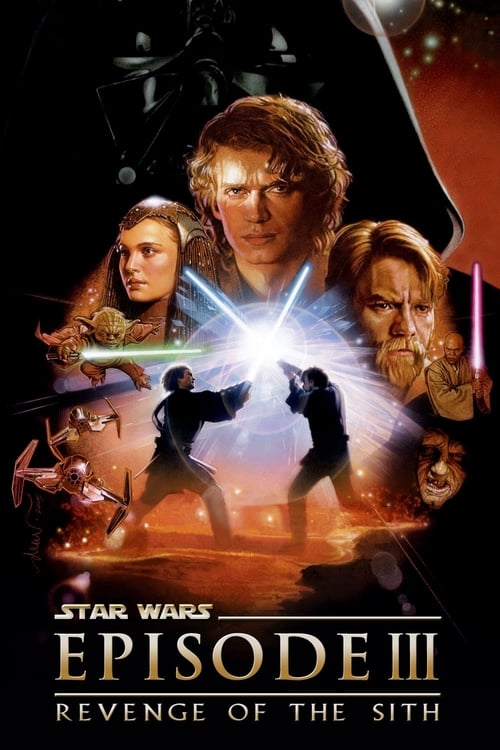
While the internet loves to meme the dialogue, the political backbone of this movie is surprisingly weighty. If you have a middle schooler currently sitting through a social studies unit on the Roman Republic or the rise of 20th-century dictators, this is the rare blockbuster that actually functions as a companion piece.
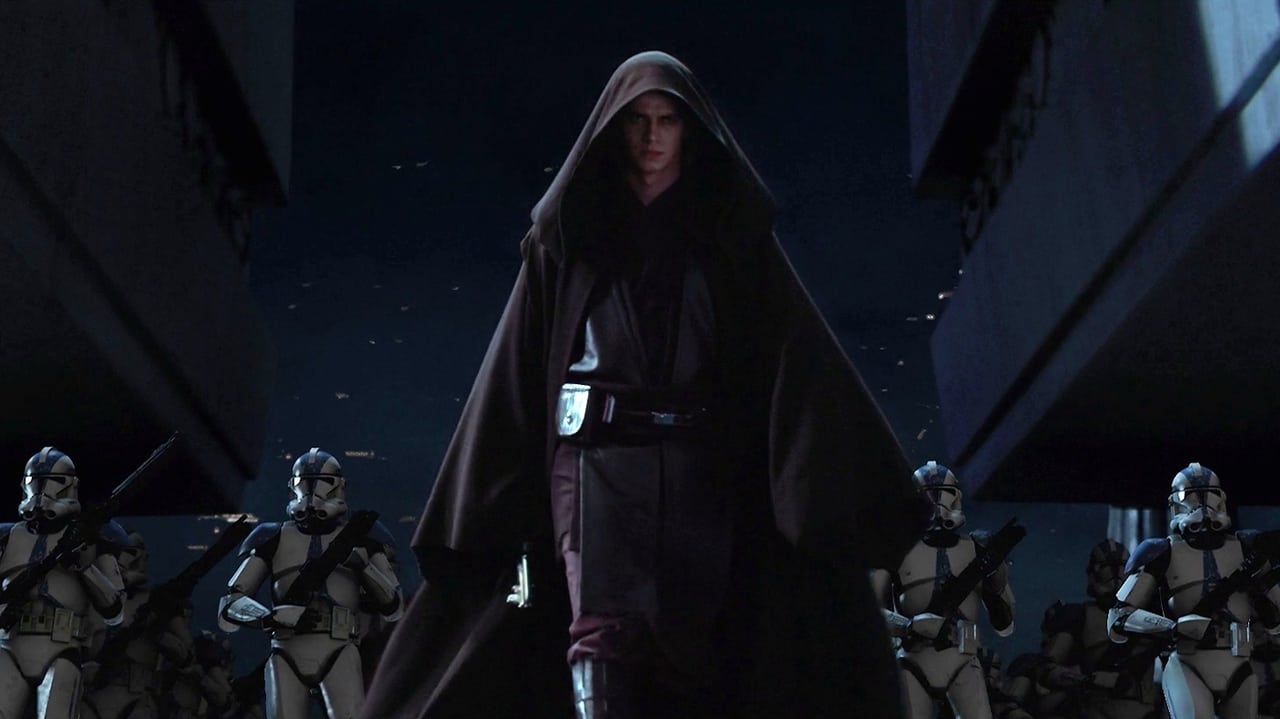
The way the villain manipulates a bureaucracy by creating a fake emergency is the most sophisticated writing in the entire prequel trilogy. It’s a great entry point for talking about how people willingly trade their privacy or rights for the "safety" promised by a strongman. If your teen is starting to get interested in how the world works, the scenes in the Senate are arguably more important than the ones with the glowing swords.
A bridge between two eras of filmmaking
This movie represents a specific moment in tech history. It was the peak of the "all-digital" push of the early 2000s. For kids used to the seamless, high-fidelity effects of 2026, some of the backgrounds here might look like a dated video game. But it’s also the movie that cemented the legacy of the series' creator as a tech pioneer.
Understanding the shift from puppets to pixels is a big part of The Force Behind the Screen: A Parent’s Guide to the Legacy of George Lucas, which helps explain why the movie looks the way it does. It’s a 140-minute display of a filmmaker trying to invent the future of cinema in real-time, for better and for worse.
The Mustafar pivot
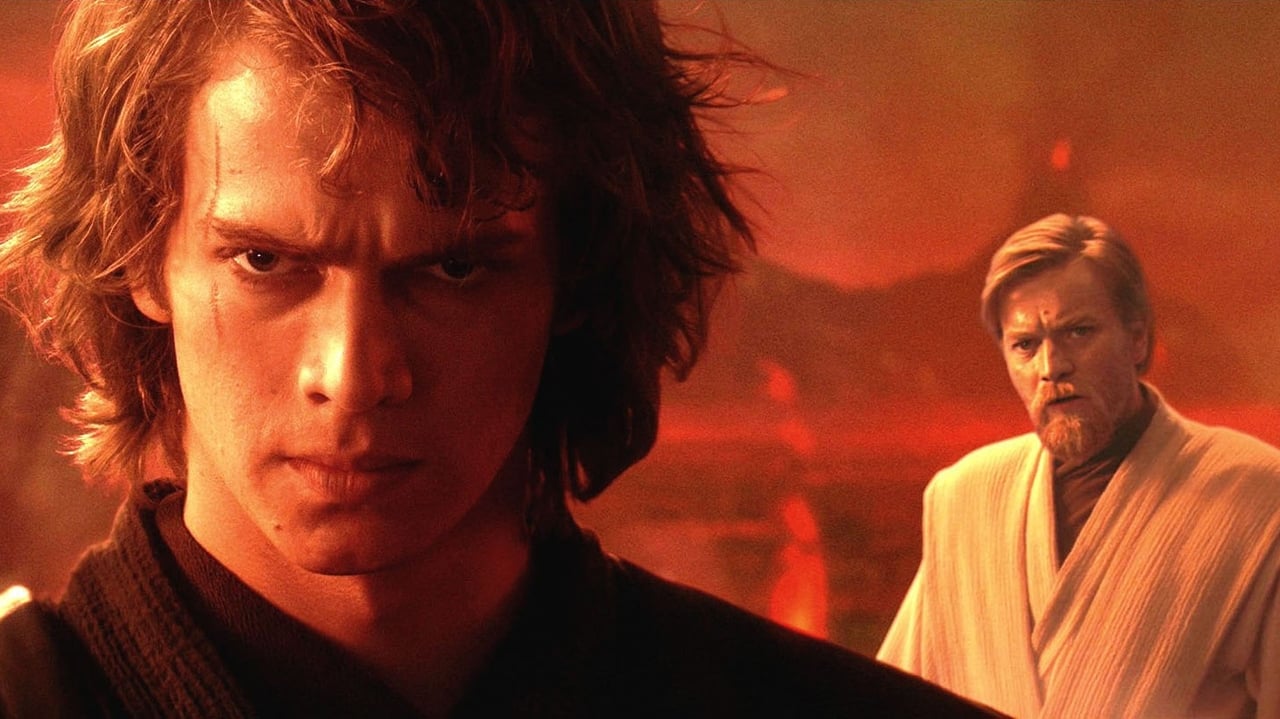
The final act on the lava planet is a massive hurdle. It isn't just "action"—it’s a stylized depiction of a friendship ending in a way that is physically and emotionally scarring. If you realize twenty minutes in that the tone is too heavy for your kid, you don't have to scrap the fandom entirely.
Why the "bad" acting actually matters
You’re going to notice the wooden delivery. The "Nooooooo!" at the end is a hall-of-fame cringe moment. But there’s a weird benefit to this: it creates distance. Unlike modern gritty dramas where the violence feels hyper-realistic and personal, the slightly stiff, operatic nature of the prequels reminds kids they are watching a myth, not a documentary. It’s a tragedy told with the subtlety of a sledgehammer, which actually makes the dark themes a little easier for a 12-year-old to process than something that feels "real."