The "everything machine" that almost works
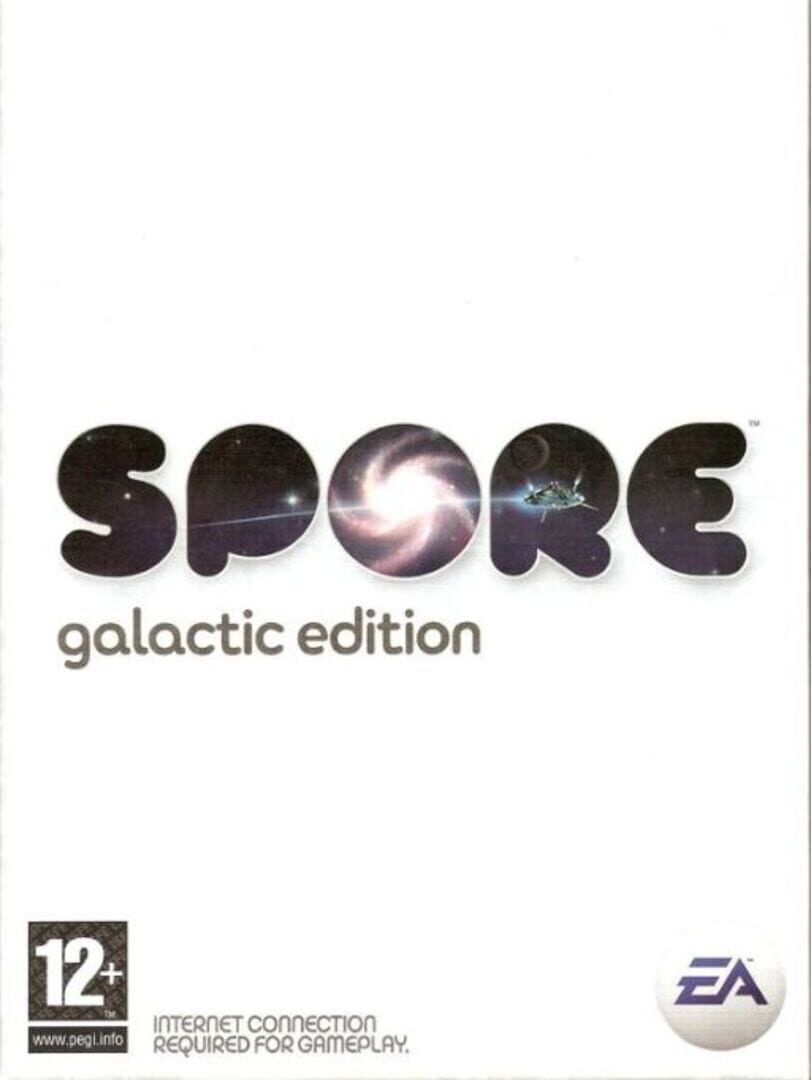
If your kid spends more time in the Roblox avatar editor than actually playing the games, Spore is their new obsession. The core hook—taking a single-celled blob and turning it into a space-faring empire—is still one of the most ambitious swings in gaming history. But you need to know that Spore isn't really one deep game; it’s five mini-games stapled together.
The first hour is pure magic. The Cell stage feels like a colorful version of Pac-Man, and the Creature stage is a charming exploration sandbox. The procedural animation is the real star here. You can put seven legs and three mouths on a creature, and the game’s engine somehow figures out how that monstrosity should walk and eat. It’s a level of creative freedom that modern games rarely touch.
However, the further you get, the thinner the experience becomes. By the time you reach the Civilization and Space stages, the game shifts into a simplified strategy mode that can feel clunky by 2026 standards. Your kid might find the endgame a bit of a slog once the novelty of designing spaceships wears off.
The "science-ish" factor
Don’t mistake this for a textbook. While it’s one of the best biology learning games for kids, it plays fast and loose with actual science. Evolution in Spore is directed by the player’s whims, not natural selection. It’s more of a digital toy box for "what if?" scenarios than a strict educational tool.
If your kid starts asking real questions about how traits are passed down or how environments shape species, use that curiosity. It’s a perfect bridge to movies, books, and shows about evolution that can fill in the gaps the game leaves behind. The game gets the vibe of biology right—adaptation, survival, and niches—even if the mechanics are pure fantasy.
Dealing with the 2008 of it all
You are going to see some "retro" friction. The graphics are stylized enough to look okay, but the user interface is crowded and the camera controls can be fussy. If your kid is used to the ultra-smooth polish of Fortnite, they might need a few minutes to adjust to how Spore handles.
There’s also the "Sporepedia" factor. The game downloads creatures made by other players to populate your world. While there are filters in place, the internet is nothing if not persistent. You might occasionally see a creature that looks suspiciously like... well, something a middle-schooler would find hilarious but you might find crude. It’s rarely graphic, but "anatomical humor" has been a part of the Spore community since day one.
Why it still beats modern clones
Most modern "creature builders" focus on combat or stats. Spore focuses on personality. The way your creatures dance, sing, and interact with other species is genuinely funny. If your kid likes the "digital pet" energy of Creature Keeper or the building freedom of Minecraft, they’ll find something here they can’t get anywhere else. It’s a low-stress, high-imagination environment that rewards curiosity over fast reflexes. Just be ready to help them through the Space stage when the menu management gets a little too tedious.