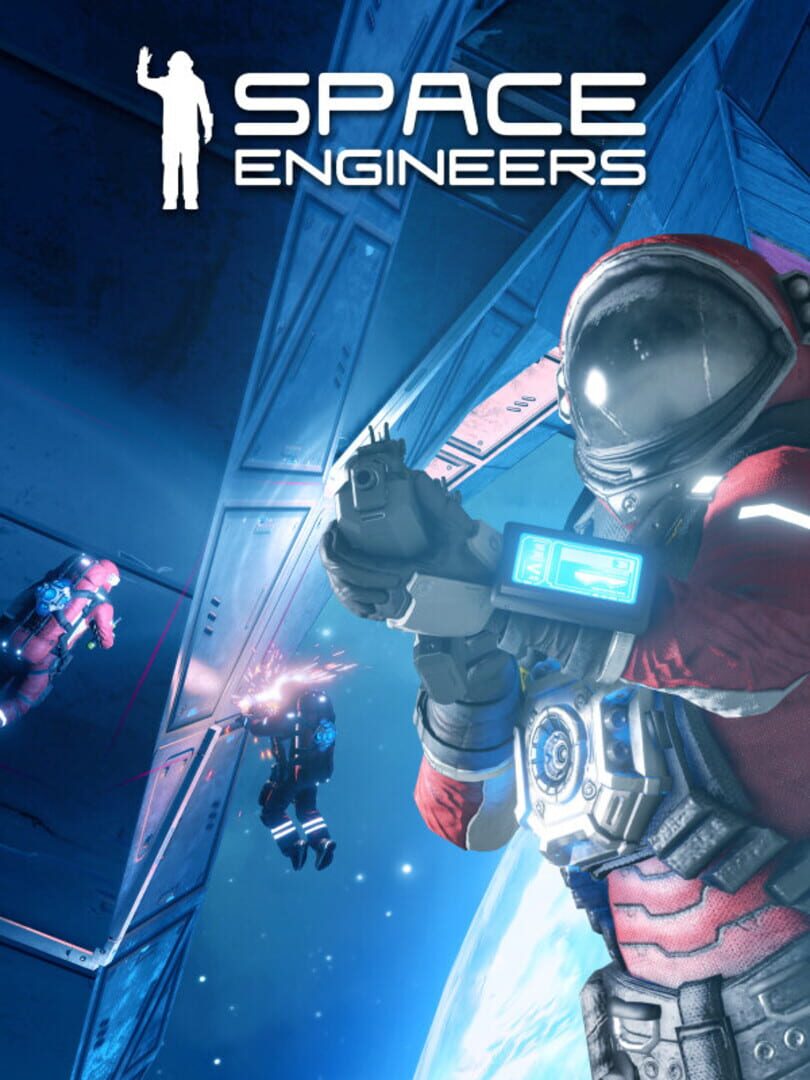
Space Engineers is that rare game where 'educational' doesn't mean 'boring.' It's legitimately challenging engineering gameplay that teaches real physics and problem-solving while letting kids build the spacecraft of their dreams.
The learning curve is real—this isn't Fortnite where you're fragging within 30 seconds. Kids need patience, spatial reasoning, and comfort with failure (your ship WILL explode). But for the right kid—the one who loves Lego Technic, asks how rockets work, or spends hours in Minecraft's redstone systems—this is gold.
The Teen rating is mostly precautionary; the 'violence' is spaceship combat, not gore. No microtransactions or manipulative design means you can let them play without worrying about surprise charges. Parent reviews confirm kids as young as 9-10 thrive here, though 12+ is the sweet spot for independent play.
If your kid has any engineering inclination whatsoever, this delivers more STEM value than a dozen 'educational' apps combined.
Age Fit
Best for ages 12+ who have genuine interest in engineering, building, and problem-solving. Younger kids (8-10) with strong spatial reasoning and patience can enjoy it, especially with parent co-play. The Teen rating is appropriate but not alarming—content is mild.
WISE Breakdown
Wholesome
78
Sandbox engineering game with minimal violence (fantasy/spaceship combat) and cooperative multiplayer. ESRB notes mild language and drug references, but the core gameplay loop centers on creative building and problem-solving. Users interact but no built-in chat reduces toxicity exposure. Pacing is player-controlled, not chaotic or overstimulating.
Imaginative
92
Exceptional sandbox creativity with realistic volumetric physics. Players design, build, and pilot custom spacecraft and space stations from scratch, mine asteroids, and solve engineering challenges. The construction freedom is nearly limitless, encouraging experimentation with real physics constraints. This is pure creative expression meets problem-solving.
Safe
81
Rated T for Teen (ESRB) with fantasy violence (ship combat), mild language, and drug reference. No in-game purchases, no loot boxes, and users interact but without built-in chat reduces manipulation and toxicity vectors. The violence is spaceship-on-spaceship, not graphic. Main safety consideration is the learning curve and potential for frustration, plus the vague content descriptors that parents should understand before younger teens play.
Enriching
88
Teaches engineering principles, spatial reasoning, resource management, and physics through gameplay. Players learn to troubleshoot complex systems, plan large projects, and iterate on designs. The realistic physics engine makes this genuinely educational for STEM concepts. Community discussions show kids calculating ratios and solving real engineering problems. Highly skill-building.
Parent Info
✓
Why It Might Be Great
Genuine STEM learning disguised as play—kids grasp physics, engineering constraints, and resource management while building dream spaceships
Zero predatory monetization: no microtransactions, no loot boxes, no battle passes trying to drain allowance money
Creative freedom rivals Minecraft but with actual physics—ships that don't balance properly won't fly, teaching real consequences
Community reports kids as young as 5-6 playing with parent help, with older kids (12+) calculating module ratios and solving complex problems independently
Multiplayer cooperation without built-in chat reduces toxicity while preserving collaborative building
⚠
What to Watch For
Steep learning curve—this isn't pick-up-and-play; younger or less patient kids may bounce off the complexity quickly
Teen rating for 'drug reference' (likely just sci-fi med bays), mild language, and fantasy spaceship combat—nothing graphic but worth knowing
Can be frustratingly technical when designs fail catastrophically; requires persistence and problem-solving temperament
No hand-holding tutorial means YouTube guides will likely be necessary, which opens the usual YouTube rabbit-hole concerns
Conversation Starters
"What's the coolest ship you've designed? Walk me through how you made it actually fly."
"Have you had any spectacular engineering failures? What did you learn from the crash?"
"If you could build a real space station, what would be the first three things you'd need to figure out?"
"How does the game handle gravity and physics differently than other games you play?"