Philosophy for kids that actually makes them smarter—ABC's ethics podcast teaches 8-12 year-olds how to think, not what to think.
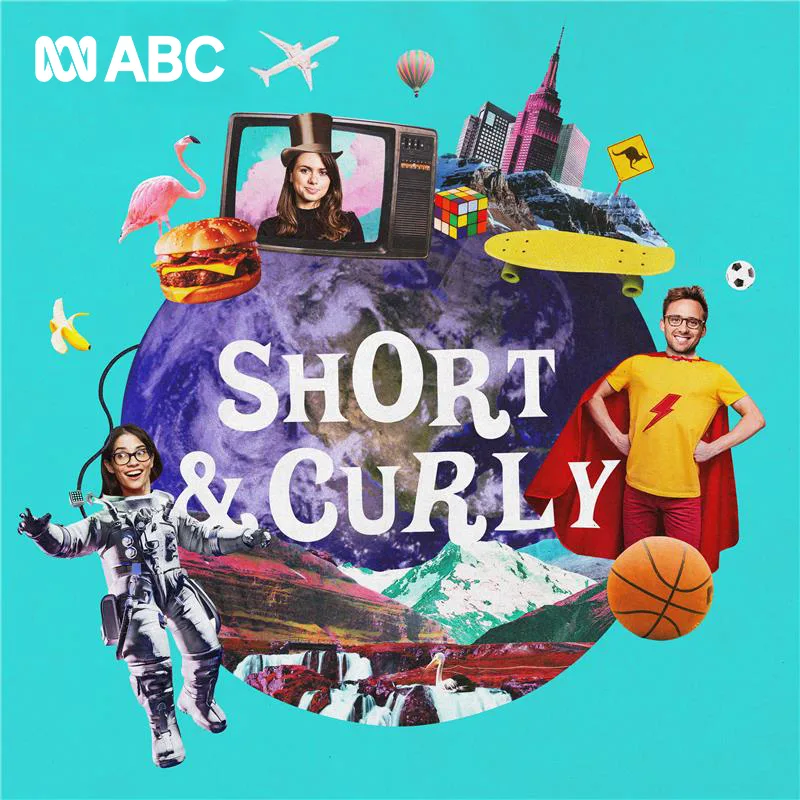
Short & Curly
podcast
Clean, Kids & Family, Society & Culture
91%
WISE Score
Philosophy for kids that actually makes them smarter—ABC's ethics podcast teaches 8-12 year-olds how to think, not what to think.
Jump to
Also rated on
Screenwise Verdict
This is one of those rare kids' podcasts that actually delivers on its educational promise. Short & Curly doesn't just teach facts—it teaches thinking itself, which is infinitely more valuable.
The ABC nailed the format: engaging hosts, real philosophical rigor from Eleanor Gordon-Smith, and topics that matter (fairness, truth, beauty, knowledge) presented in ways that 10-year-olds can grasp and debate. It's not preachy, it's not dumbed down, and it genuinely respects kids' capacity for complex thought.
The catch: your kid needs to be a decent listener and genuinely curious about ideas. If they're more kinesthetic or get bored with pure conversation, this won't be their jam. But for verbally-inclined, question-asking kids? This is gold. The kind of content that makes long car rides productive and might actually prepare them for the critical thinking they'll need in middle school and beyond.
Age Fit
Squarely aimed at 8-12 year-olds with the cognitive development to handle abstract thinking and hypotheticals. Younger kids might enjoy listening with a parent to discuss, but the concepts require some mental maturity. Teens might find it slightly young, though the philosophical content itself is timeless.
WISE Breakdown
Wholesome
92
ABC Kids production hosted by thoughtful presenters who model respectful debate and collaborative thinking. Philosophy-focused format naturally encourages listening, considering multiple perspectives, and civil disagreement. No chaotic pacing—conversational and warm tone throughout.
Imaginative
88
Tackles abstract philosophical questions (What makes something fair? What is truth? What is beauty?) that require creative thinking and mental flexibility. Invites kids to construct their own arguments and explore hypotheticals. The tagline 'teaches how to think, not what to think' captures the open-ended curiosity at its core.
Safe
95
ABC Kids production with family-friendly philosophy content. No mature themes, explicit language, or inappropriate material. Designed specifically for 8-12 year-olds with careful consideration of age-appropriateness. Safe for car rides, background listening, or family time without concern about unexpected content.
Enriching
94
Exceptional cognitive and ethical development tool. Builds critical thinking, logical reasoning, and moral reasoning skills. Philosophy professor Eleanor Gordon-Smith brings academic rigor made accessible. Teachers worldwide use it in classrooms. Develops metacognition—kids learn to examine their own thinking processes and question assumptions.
Parent Info
✓
Why It Might Be Great
Builds genuine critical thinking and logical reasoning skills through accessible philosophy
Features actual philosopher Eleanor Gordon-Smith breaking down complex ethical questions without dumbing them down
Trusted ABC Kids production loved by teachers and used in classrooms worldwide
Encourages kids to question assumptions, consider multiple perspectives, and construct their own arguments
Perfect car ride content that sparks family discussions about fairness, truth, and right vs. wrong
⚠
What to Watch For
Audio-only format requires solid listening skills and attention span—not background noise material
Best for verbally-inclined kids who enjoy discussion and debate; might not land with more hands-on learners
Some philosophical questions can be genuinely challenging—don't be surprised if your 9-year-old asks 'But how do we really know anything is real?'
Conversation Starters
"What did you think about that trolley problem? What would you actually do?"
"The show said there's no one right answer—do you think that's true for everything, or are some things just right or wrong?"
"If you could ask the hosts one big question about fairness or truth, what would it be?"
"Which side of the argument made more sense to you? Why?"