The Empathy of the Scare
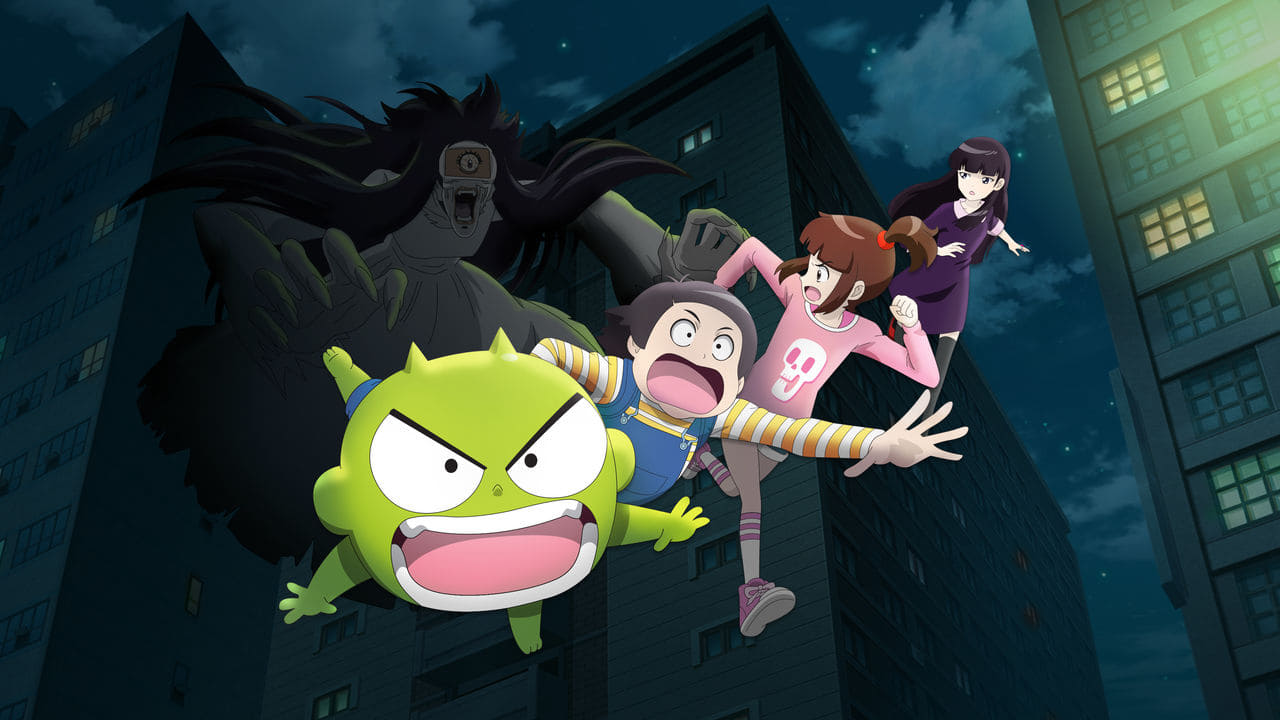
What makes Shinbi House (or The Haunted House) stick is that it treats its ghosts as victims of circumstance rather than just villains to be punched. Most episodes follow a predictable but satisfying rhythm: a haunting occurs, the siblings investigate, they survive a few scares, and then they uncover the ghost's 'grudge.'
This 'grudge' mechanic is where the show earns its stripes. It might be a ghost of a child who was lonely, or someone who felt unheard in life. By resolving these emotional knots, Hari and Doori teach a masterclass in empathy. It’s a sophisticated way to handle horror for children—balancing the adrenaline of a chase with the catharsis of a sad story resolved.
A Cultural Gateway
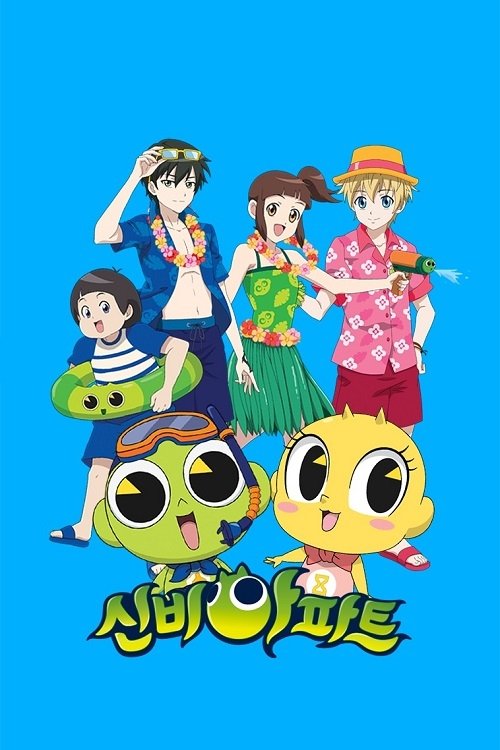
For Western families, this is a fantastic entry point into Korean storytelling. You'll see traditional architecture, food, and social norms woven into the background. Shinbi himself, the green goblin who lives in the manhole, is a take on the Dokkaebi, a staple of Korean myth. It’s a great way to expand a kid’s media diet beyond the usual Hollywood or Japanese anime staples.
The 'Nightmare' Factor
Don't underestimate the creep factor. The show utilizes classic horror imagery—creepy dolls, shadows in the mirror, and distorted faces. If your kid is in a phase where they are struggling with nighttime fears, maybe table this one. But if they’re the type to hunt for ghost stories at the library, they’ve found their new favorite show. It’s high-energy, emotionally resonant, and just spooky enough to be cool.