The source code for the "Reluctant Hero"
If your kid has seen The Mandalorian or any modern movie where a mysterious stranger with a violent past tries to go straight, they’ve already seen the DNA of this movie. Critics give it a 97% on Rotten Tomatoes because it’s the blueprint. It isn't just a Western; it's the definitive version of the "one last job" trope.
The Wyoming frontier isn't just a backdrop here—it’s a character. The movie uses the massive, open landscape to make the homesteaders look tiny and vulnerable. When the gunfighter arrives, he isn't a superhero. He’s a guy who is visibly tired of his own reputation. For a middle schooler who is used to the frantic pace of modern blockbusters, seeing a hero who would rather wash dishes or help clear a field than draw a pistol is a revelation.
Why the violence feels different
Most modern action movies treat gunfights like choreography. In this 1953 classic, the violence is meant to be ugly. There is a famous sequence involving the removal of a tree stump that serves as a metaphor for the whole film: change is slow, hard work, and sometimes you need a little leverage to get the job done.
When the guns finally do come out, the sound design is intentionally jarring. In an era where most movie gunshots sounded like popguns, the production made sure these sounded like cannons. It’s a great way to talk to kids about how media can make violence feel "cool" versus making it feel consequential. If you're navigating western-movies-for-families, this is the one that sets the moral bar.
The "Joey" factor
The movie is largely told through the eyes of the family’s young son, Joey. This is the hook for kids. Joey idolizes the gunfighter in the way kids today might idolize a pro athlete or a YouTuber. But the movie spends its entire runtime showing Joey—and the audience—that being "the fastest gun" isn't a dream; it’s a burden.
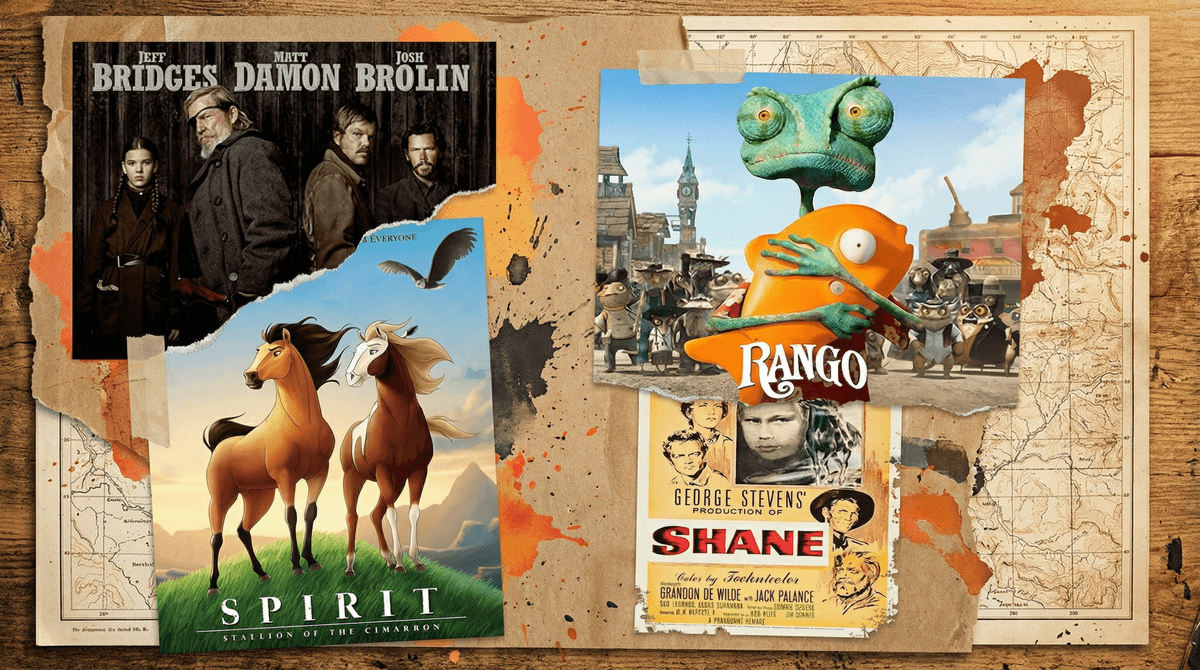
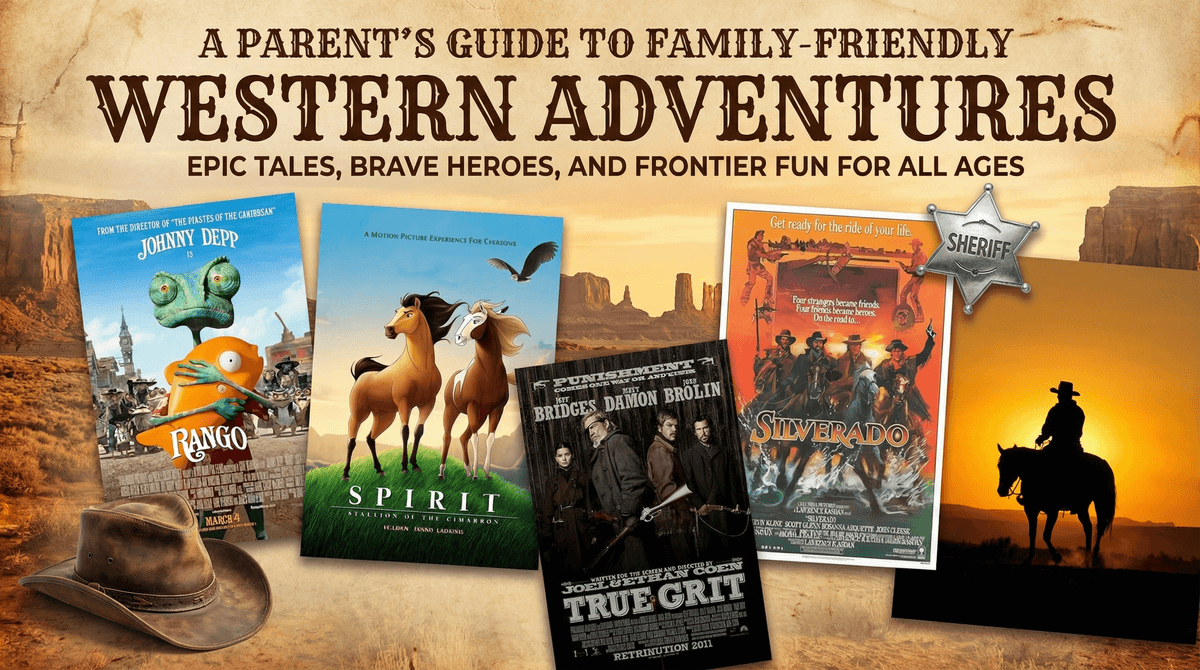
If your kid is already into the best western movies for kids like Rango or True Grit, they’ll recognize these archetypes immediately. The friction comes from the 1950s pacing. There are no side quests. It’s a straight line from the hero’s arrival to the final shootout. It requires a different kind of attention span, but the payoff in the final five minutes is one of the most discussed endings in cinema for a reason. It doesn't offer a clean, happy bow, and that’s exactly why it sticks with you.