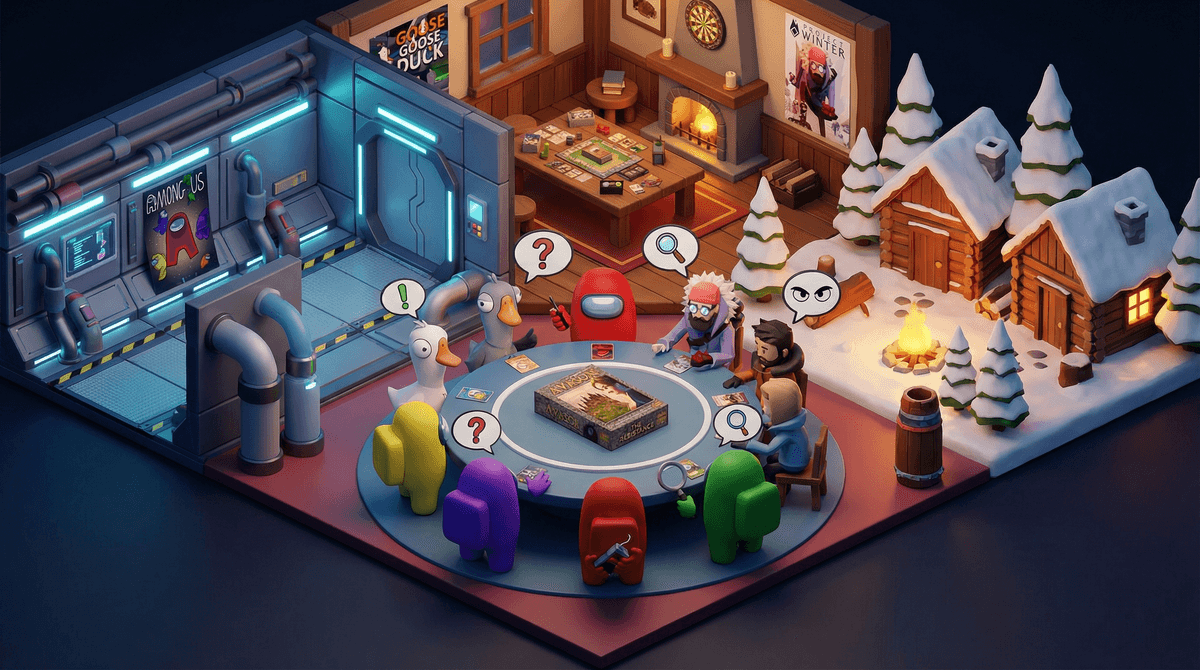
If your teenager spent their middle school years obsessed with Among Us and Social Deduction Games, they’ve already mastered the basics of "sus" behavior. Secret Hitler is the graduate-level course. It takes that same "impostor" energy and adds a layer of math and political maneuvering that makes it much harder to hide behind a simple "I was in Medbay" alibi.
The "Bad Draw" Trap
The most electric moments in this game don't come from a masterfully crafted lie. They come from the math. The game uses a deck of Policy cards—some Liberal, some Fascist. As President, you draw three, discard one, and pass two to your Chancellor. That Chancellor then picks one to enact.
The screaming matches start when a Liberal President draws three Fascist cards. They have no choice but to pass the "evil" cards. To the rest of the table, that President looks like a total traitor. Watching a teenager try to explain the probability of drawing three reds in a row while their friends look at them with pure "I don't believe you" energy is the peak of the experience. It’s a brutal lesson in how bad luck can look like bad intentions.
Why the Theme Sticks
Critics often argue the 1930s Germany setting is there for shock value. They aren't entirely wrong. It’s a loud title designed to grab attention. However, the mechanics actually mirror the era’s history better than you’d expect. The Fascists know who each other are; the Liberals are in the dark. This creates a specific kind of paranoia where the majority is constantly second-guessing their allies while a small, coordinated group slowly takes over the board.
If you want the same mechanical tension without the historical baggage, The Resistance: A Parent’s Guide to Social Deduction is the gold standard. It trades the Nazis for a generic sci-fi rebellion. But for families who can handle the weight of the theme, Secret Hitler feels more consequential. Every time a Fascist policy passes, the President gets a new power—like the ability to peek at someone’s secret identity or even execute a player. The stakes don't just feel high; they feel dangerous.
The Social Cost
This isn't a relaxing game. It’s a 45-minute exercise in gaslighting. Because the complexity rating is relatively low (1.74/5 on BGG), the barrier to entry isn't the rules—it’s the social stamina. You have to be okay with your kid looking you in the eye and lying with total conviction. If your family dynamic doesn't handle "I can't believe you betrayed me" jokes well, check out our 10 Best Impostor Games for Kids for something with a lower emotional tax.
But if your group loves a good debate and can separate game-night betrayal from real-life trust, this is one of the few games that people will still be talking about three days later. The reveal at the end of the night is usually met with either a collective groan or a standing ovation.