Beyond the digital sandbox
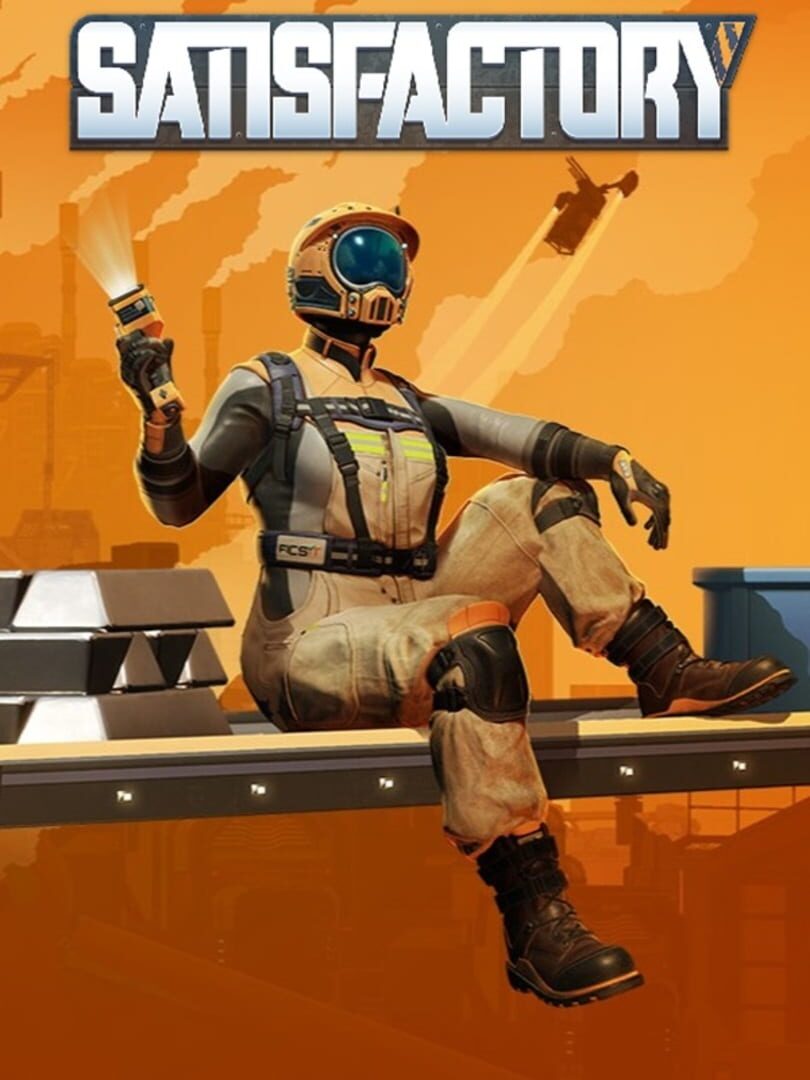
Most building games are about aesthetics. Satisfactory is about optimization. If your kid is the type to spend three hours organizing their LEGO bins by piece type and color, they are the target audience. You start stranded on a beautiful alien planet with nothing but a zapping tool and a dream of industrial dominance.
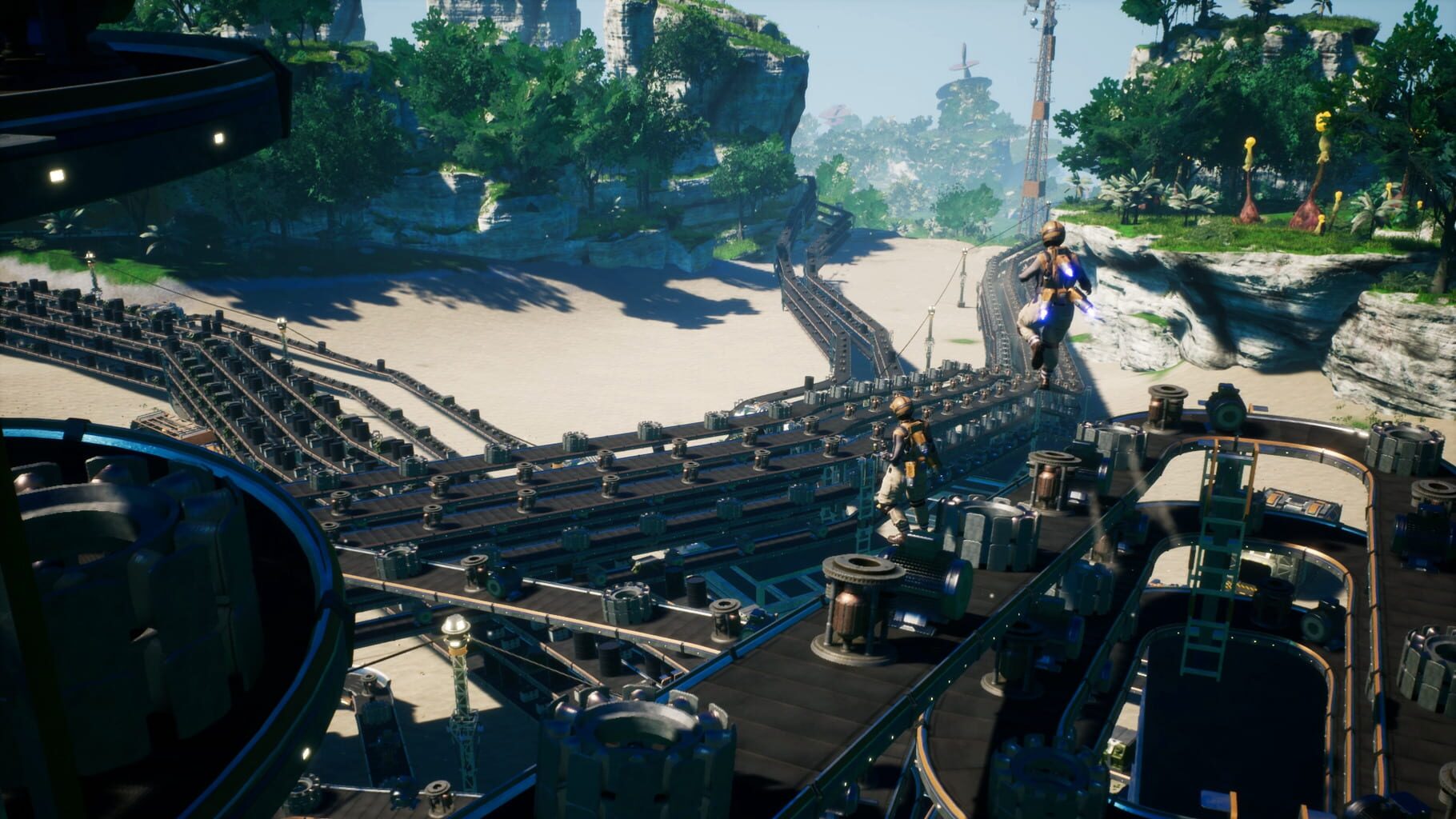
The game moves from simple survival to high-level logistics. You aren't just building a factory; you're building a nervous system for a planet. This is screen time that actually builds problem-solving because the game never gives you the answer. It just gives you the math and the tools, then stands back to see if you can make the belts run on time. It feels less like a "game" and more like a massive, 3D puzzle that you can walk around inside of.
The stealth STEM machine
We often talk about "educational games" as if they have to be boring. Satisfactory proves that’s a lie. It’s easily one of the best engineering learning games for kids because it forces players to think in three dimensions. You’ll see them calculating ratios in their head—"If this machine makes 30 screws a minute, but my next machine needs 60, I need to split the line."
It’s pure systems thinking. There’s no "winning" in the traditional sense, only the satisfaction of seeing a complex machine hum. It’s a masterclass in executive function: planning, prioritizing, and troubleshooting when a power grid inevitably blows because they tried to plug in one too many constructors. If your kid liked the logic of Redstone in Minecraft but wanted it to actually do something on a grand scale, this is the logical next step.
The "M" rating mystery
Ignore the Mature rating you might see on certain digital storefronts. It’s a total head-scratcher. There is no gore, no profanity, and no "mature" themes. The combat is limited to defending yourself against alien hogs and spiders using a stun baton or a rebar gun. It’s much less violent than your average superhero movie and far more "cartoonish" than most modern shooters.
The real "danger" here is the time sink. This is a "just five more minutes" game that can easily turn into a five-hour session. Because you are constantly working toward the next unlock—a jetpack, a faster conveyor belt, a tractor—there is never a "natural" stopping point. If you’re trying to manage screen time, you’ll need to be firm, because the game’s loop is designed to keep the brain engaged indefinitely.
Playing with others
This is a top-tier co-op experience, but there’s a catch: it’s online-only. If you’re planning to play with your kid, you’ll need two devices. You should check out the specifics on how Satisfactory multiplayer works before you buy a second copy, as there is no split-screen support.
Playing together changes the dynamic from a solo engineering project to a team-based logistics firm. One person handles the power plant while the other hunts for rare minerals. It’s a great way to see how your kid handles collaboration and delegating tasks—or to see if they’ve inherited your tendency to be a total micromanager. Just be prepared: you will eventually spend an hour arguing about the most efficient way to route a coal pipeline. It’s the best kind of family disagreement.