The "Slow Food" of Children’s Fiction
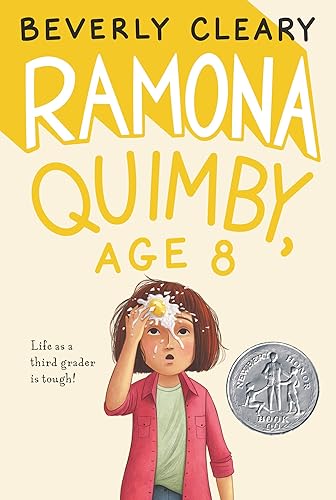
If your kid is currently vibrating at the frequency of a Dog Man book or a 20-minute YouTube challenge, Ramona Quimby, Age 8 is going to feel like a sudden drop in altitude. This isn't a book where things happen to the protagonist in a series of high-octane plot points. Instead, it’s a book where things happen inside the protagonist.
The drama here is microscopic but monumental: the horror of a raw egg cracking in your hair at lunch, the crushing weight of a teacher’s offhand comment, or the low-frequency hum of "money talk" between parents in the next room. For a certain type of kid—the one who is already a bit of an observer—this is essential reading. It validates the specific, itchy anxiety of being eight years old, an age where you’re old enough to understand the family is stressed but too young to do anything about it.
The "Nuisance" Factor
The scene that still stops parents and kids in their tracks is when Ramona overhears her teacher calling her a "nuisance." In an era of "everyone is a star" school culture, this moment feels brutal. It’s a rare, honest depiction of how a child’s relationship with an authority figure can be derailed by a single word.
If you have a sensitive reader, this is the part they’ll talk about for three days. It’s also what makes this one of the most effective books about family and school life; it doesn't sugarcoat the fact that adults can be tired, grumpy, and occasionally unfair.
How to Pitch This to a "Reluctant" Reader
If you hand this to a kid who only reads graphic novels, they might bounce off the first chapter. The pacing is deliberate. The 1990s-era setting—with its lack of instant communication and different school rhythms—can feel like a period piece.
The move here is to treat it as a bridge. If you’re looking for the must-read books for 3rd graders, use Ramona as the "read-aloud" selection. When you read it to them, the humor in Danny the Yard Ape’s teasing or the "raw egg" incident lands much better. It turns a potentially "boring" solo read into a shared comedy. It’s easily one of the best read-aloud books for elementary school kids because the chapters are self-contained enough to work as 15-minute bedtime installments.
If They Liked X, Try This
Think of Ramona as the blueprint for the modern "relatable kid" genre.
- If they liked the diary-style honesty of Diary of a Wimpy Kid but want something with more heart and less cynicism, this is the pivot.
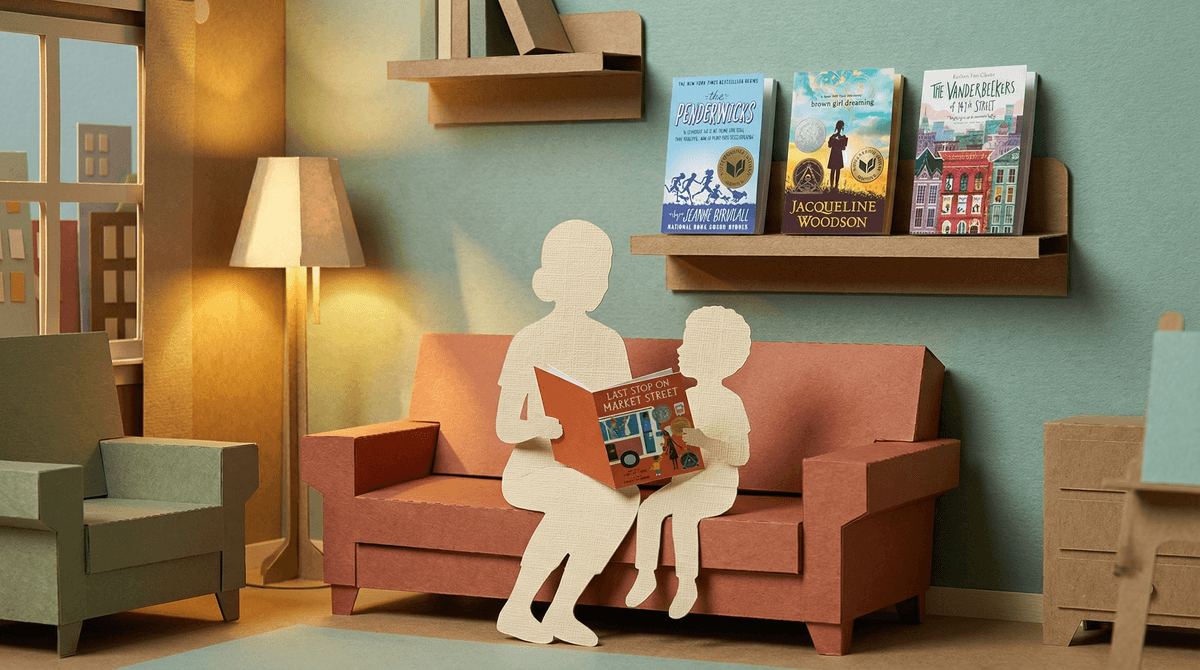
- If they enjoyed the family dynamics of The Penderwicks, Beverly Cleary is the natural ancestor of that style.
- If they are obsessed with "slice of life" stories where the stakes are purely emotional, Ramona is the standard.
It’s not going to win a race against a modern fantasy epic, but as a "how-to" guide for navigating the weirdness of being a middle-child in a stressed-out household, it still has no equal.