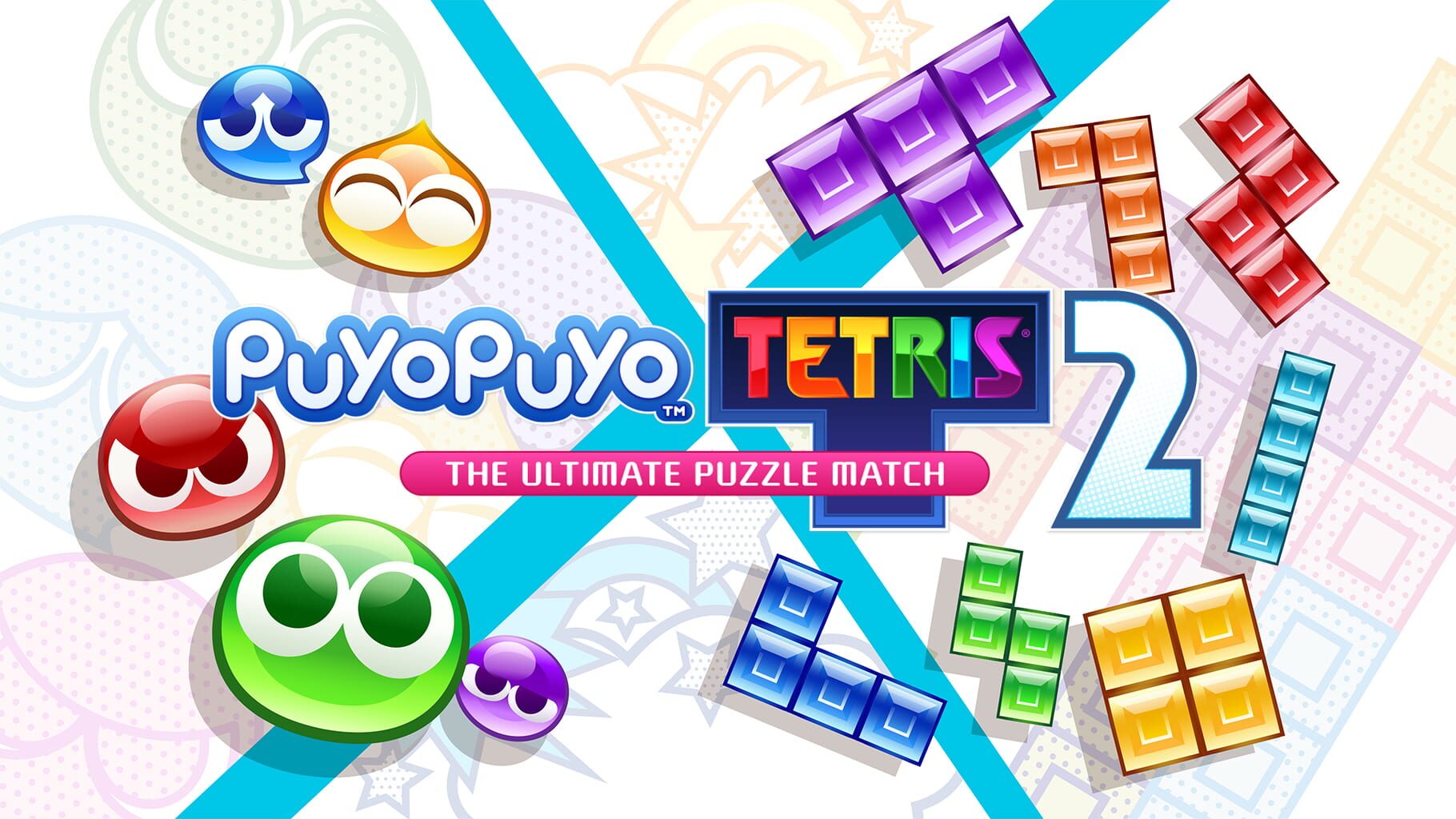
This is what gaming looked like before every publisher decided to turn their games into slot machines. Puyo Puyo Tetris 2 is just... a game. You pay once, you get the whole thing, nobody's trying to sell you battle passes or loot boxes or premium currency.
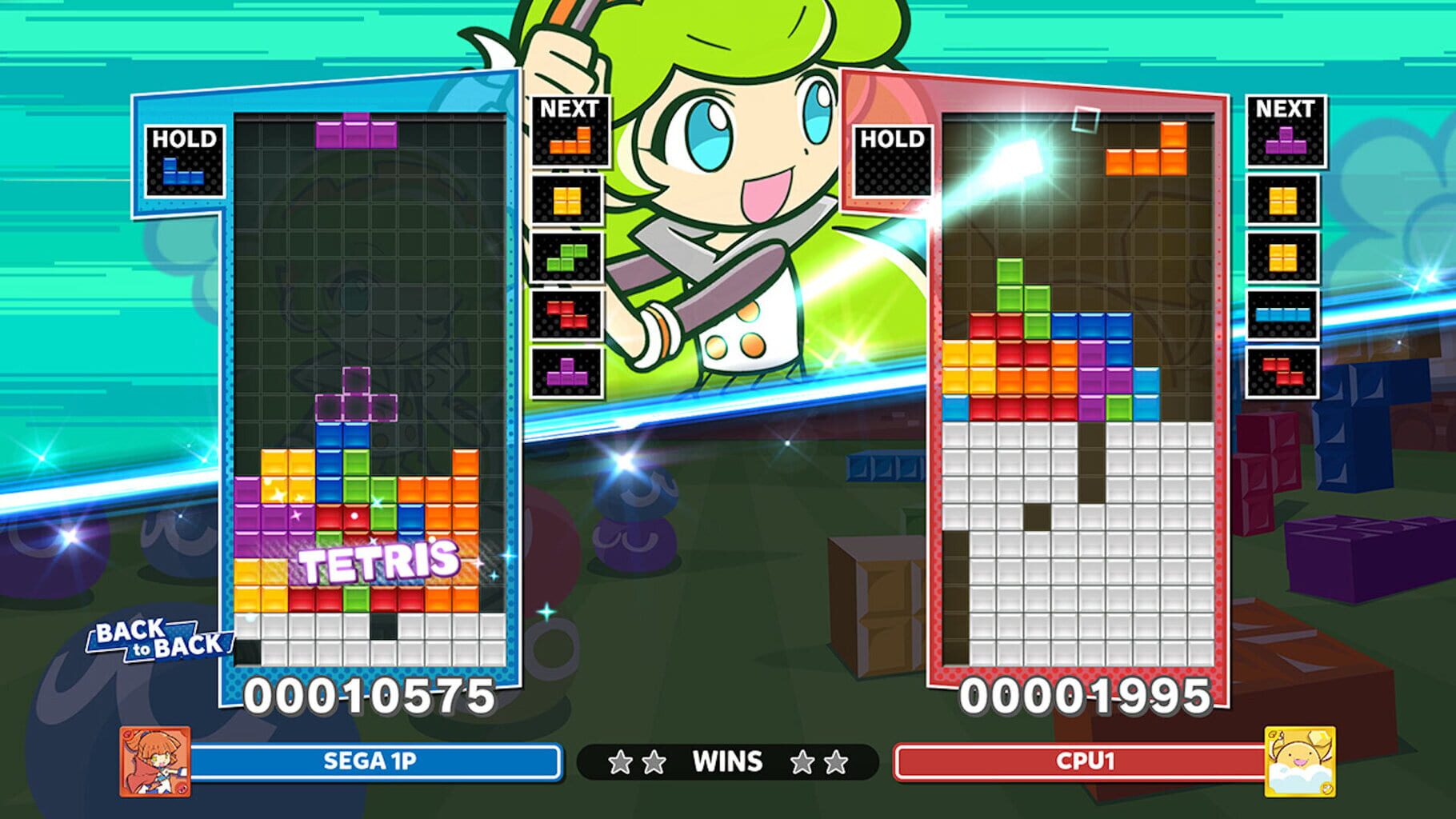
The gameplay itself is solid - combining two puzzle classics creates interesting strategic depth, and the new Skill Battle mode with item cards adds a Mario Kart-ish chaos element that keeps things fresh. The story mode is goofy anime nonsense (affectionate), but nobody's here for the plot.
The real question is whether your kid has the patience for pure puzzle gameplay in 2025. If they're the type who can get absorbed in problem-solving and doesn't need constant stimulation, this is gold. If they need explosions and progression systems to stay engaged, they'll bounce off it in twenty minutes.
For families looking for actually wholesome competitive gaming that builds real skills without the usual digital wellness red flags, this is a rare win.
Age Fit
Best for ages 7-16, though the skill ceiling means older teens and adults genuinely enjoy it too. Younger kids can grasp the basics but may get frustrated by the speed and complexity, while older teens might prefer it as a chill competitive outlet rather than their main gaming focus.
WISE Breakdown
Wholesome
88
Described as having a 'hilarious story filled with an eclectic cast of characters' with 'overflowing charm.' Puzzle games inherently promote patience and problem-solving without aggressive or mean-spirited content. The tone is lighthearted and playful, evident from phrases like 'YIP-YIP-YIP!' Supports both solo and cooperative play, encouraging positive social interaction.
Imaginative
72
Combines two iconic puzzle franchises in creative ways through multiple game modes including the new Skill Battle with item cards. The 'traverse dimensions and experience brand new worlds' suggests some narrative creativity. However, it's fundamentally a puzzle game with set mechanics rather than open-ended creative expression. Strategic thinking is encouraged through chain combos and tactical rotation, but imagination is more about problem-solving patterns than building or exploring.
Safe
92
No in-game purchases, no loot boxes, no online chat - just users interacting through gameplay. Puzzle games have minimal risk of inappropriate content. No content ratings provided but the franchise is historically all-ages appropriate. The interactive elements are limited to competitive/cooperative play without toxic communication vectors. Very low manipulation risk given the straightforward puzzle gameplay without monetization hooks.
Enriching
78
Puzzle games build spatial reasoning, pattern recognition, quick decision-making, and strategic planning. Tetris specifically has documented cognitive benefits. The combination of two different puzzle mechanics (Puyo's chain reactions vs Tetris's line clearing) requires players to develop flexible thinking and adaptability. Multiplayer modes teach good sportsmanship. However, it's primarily entertainment-focused rather than explicitly educational, and the skill ceiling means casual players may plateau.
Parent Info
✓
Why It Might Be Great
Zero predatory mechanics - you buy it once and actually own the whole game (what a concept!)
Builds genuine cognitive skills: spatial reasoning, pattern recognition, and strategic planning under pressure
Accessible for beginners but deep enough that competitive players can spend hundreds of hours mastering combos
Local and online multiplayer means family game nights or solo grinding - your choice
Bright, cheerful aesthetic with goofy characters takes the edge off competitive frustration
⚠
What to Watch For
Skill gap can be brutal - experienced Tetris or Puyo players will absolutely demolish beginners, which may discourage younger kids
Online competitive play means facing strangers, though without chat the toxicity risk is minimal
The 'story mode' is pretty thin - don't expect narrative depth, it's mostly an excuse to string puzzle battles together
Some kids may find pure puzzle gameplay repetitive compared to action-heavy games
Conversation Starters
"Which game do you like better - matching the colorful Puyos or clearing Tetris lines? Why?"
"What's your strategy when the board starts filling up and you're panicking?"
"Have you figured out how to set up those big chain reactions? Can you teach me?"
"When you lose to someone way better than you, how do you handle that frustration?"
"If you could design a new puzzle game by combining two games, what would you pick?"