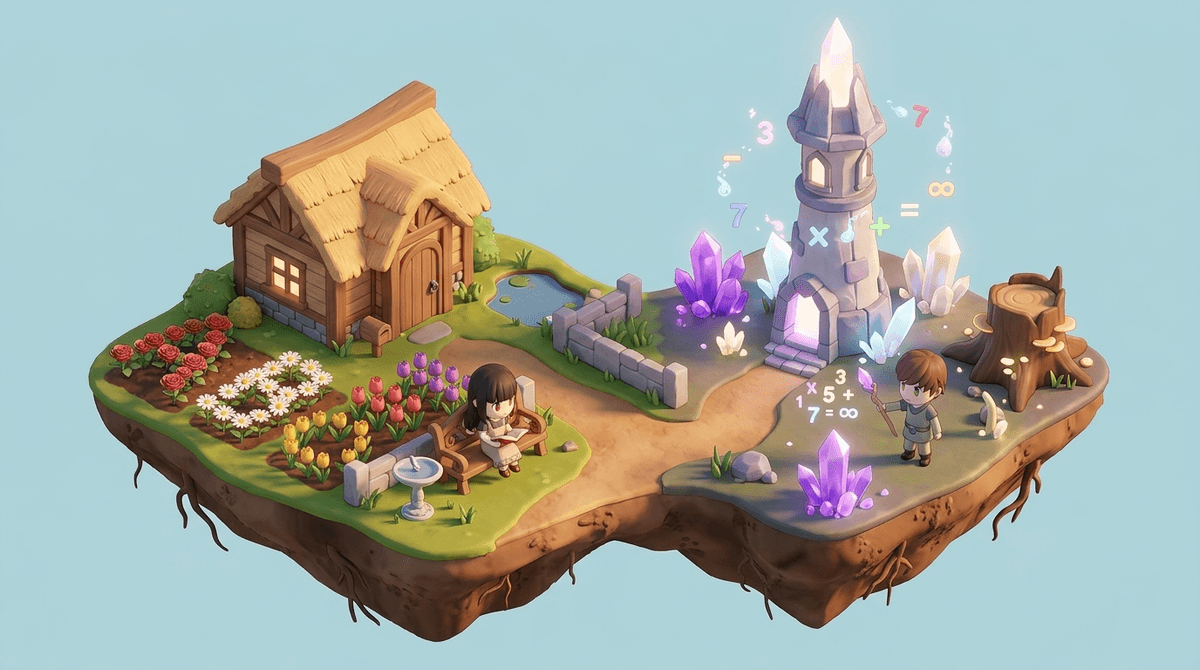
If your child has already played Prodigy Math, they know the drill. Prodigy English takes that same 'answer questions to get power-ups' loop and applies it to a village-building sandbox. Instead of battling monsters, kids are gathering resources to build a community. It’s a gentler, more creative take than the math version, which fits the ELA subject matter well.
The Rigor Debate
There is a common critique among educators that Prodigy isn't 'rigorous' enough. If you're looking for a platform that will teach a child how to analyze complex metaphors in The Great Gatsby, this isn't it. However, for a 2nd grader struggling with vowel teams or a 4th grader who needs to brush up on irregular verbs, the repetition is actually a feature, not a bug. It builds fluency through volume.
The 'Free' Experience
Prodigy is a business, and they are very good at making the paid membership look shiny. Members get 'Epic' pets, exclusive clothing, and faster resource gathering. For some kids, this is a major source of frustration. However, from a purely educational standpoint, the learning content is never locked. A free user gets the exact same educational value as a paid user. If you can handle the occasional 'Please can I have the membership?' nag, the free version is more than sufficient.
How to Use It Well
Don't treat this as a primary teaching tool. Use it as a reward or a 'brain break' that still keeps their mind on-task. It's particularly effective for neurodivergent kids who find traditional worksheets overstimulating or boring; the immediate feedback loop of earning a 'Wishcoin' for a correct answer is a powerful dopamine hit for kids who need that extra nudge to stay focused.