Why analog hardware wins in a screen-heavy home
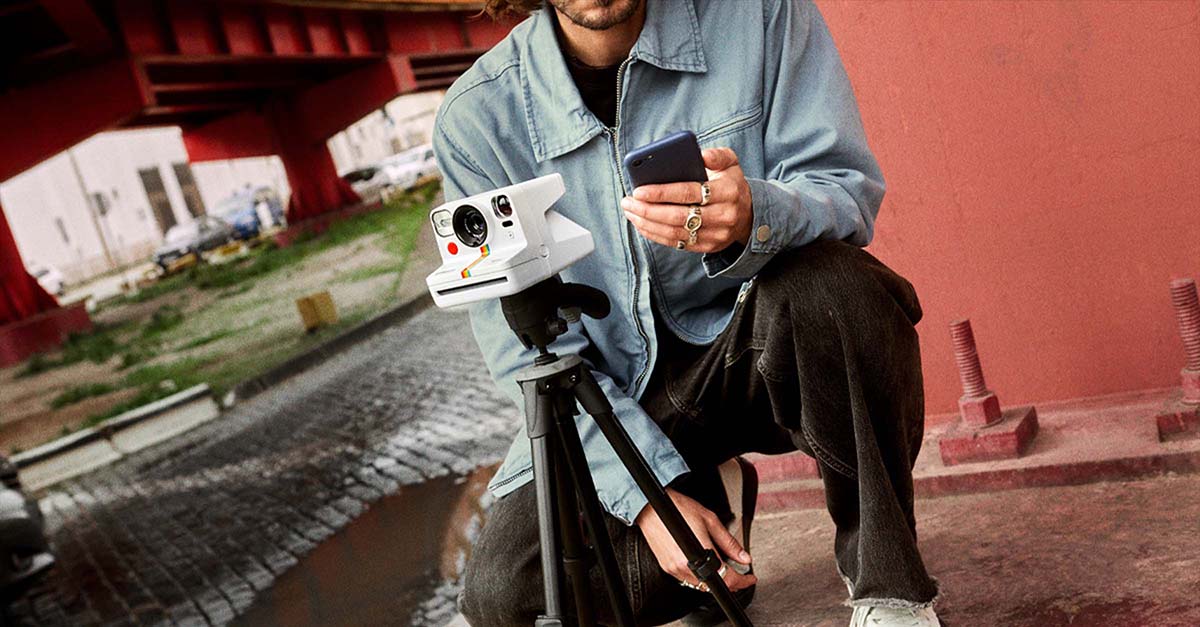
When you hand a kid a smartphone to take a photo, you are also handing them notifications, app icons, and an infinite camera roll. The Polaroid Now Gen 2 strips away every distraction. There is no screen to check, no digital filter to swap, and no cloud upload. You look through an optical viewfinder, push a button, and listen to the internal motor eject a dark plastic sheet.
The mechanics: simple, but not dummy-proof
The Gen 2 model refines the rebooted Polaroid lineup with two-lens autofocus. The camera automatically chooses between a portrait lens and a landscape lens depending on distance, which reduces the classic blurry-Polaroid disappointment rate. It also shoots on both battery-free i-Type film and vintage 600 film packs.
However, instant photography still comes with a learning curve. Flash management is critical indoors, and holding the camera steady during low-light exposures takes practice. Kids raised on hyper-stabilized smartphone sensors will initially produce a few dark or blurry frames. Frame those misfires as part of the medium's charm rather than technical failures.
How to manage the film budget
The main friction with any instant camera is the running cost of consumables. To avoid a scenario where a child burns through $30 of film in six minutes at a birthday party, establish a simple system:
- Give a fixed shot allowance: Assign two or three shots per outing or special event.
- Encourage setup time: Have them plan the scene, direct the subject, and check light placement before touching the shutter.
- Use a physical photo journal: Keep an album or display string ready so developed prints don't collect dust in a drawer.