The Ghost of Never Land
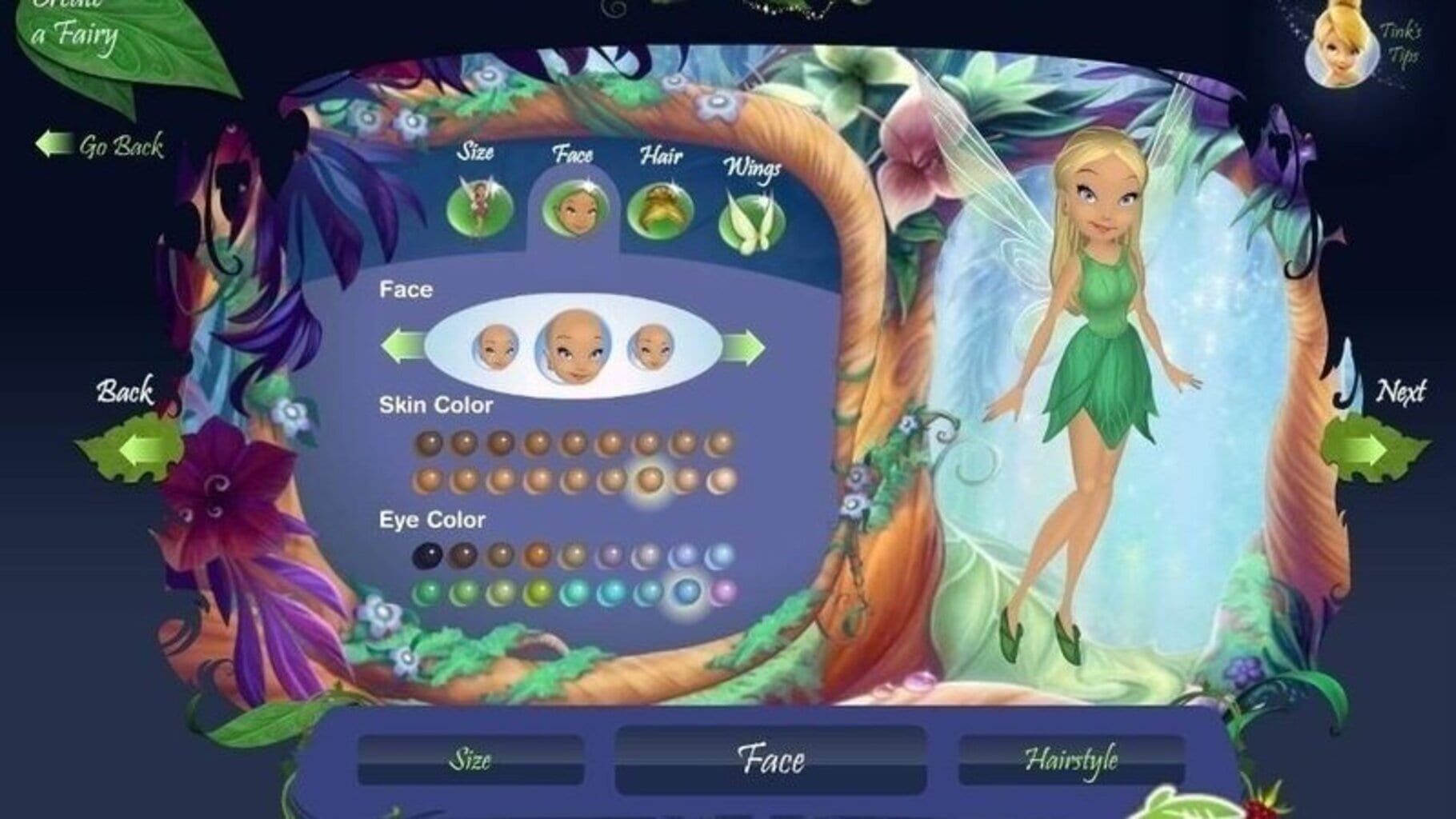
Pixie Hollow wasn't just a game; it was a social ecosystem for a generation of kids who grew up on the Tinker Bell direct-to-DVD movies. It succeeded because it didn't try to be World of Warcraft with wings. It was a digital space where 'winning' meant hosting a successful tea party or earning a new badge for your leaf-house.
One of the most interesting mechanics was the Talent system. By forcing players to pick a specialty—Water, Light, Animal, Garden, or Tinker—it encouraged a primitive form of cooperation. You needed different talents to complete certain tasks, which is a great, low-stakes way to introduce the idea of community roles.
The Fan-Server Wild West
Because Disney abandoned the IP, the community stepped in. Projects like Pixie Hollow Rewritten are labors of love, but they come with a massive asterisk. When you enter a fan server, you are entering a space with zero corporate accountability. The 'Safe Chat' filters might be there, but the people behind the curtain aren't Disney employees—they're fans.
If your kid is desperate to visit the Hollow, you need to be the moderator. Sit with them, look at the community Discord (if they have one), and realize that most of the other 'fairies' in the game might be 25-year-olds reliving their childhood.
Better Modern Alternatives
If you're looking for the same 'wholesome creativity' without the technical headache of emulators, there are better places to land in 2026:
- Disney Dreamlight Valley: Basically the high-def, modern evolution of the Pixie Hollow concept.
- Animal Crossing: New Horizons: For the same focus on gardening, decorating, and gentle social interactions.
- Hello Kitty Island Adventure: A surprisingly robust cozy-sim that captures that specific 'brand-safe' magic.