A Lesson in Slow Cinema
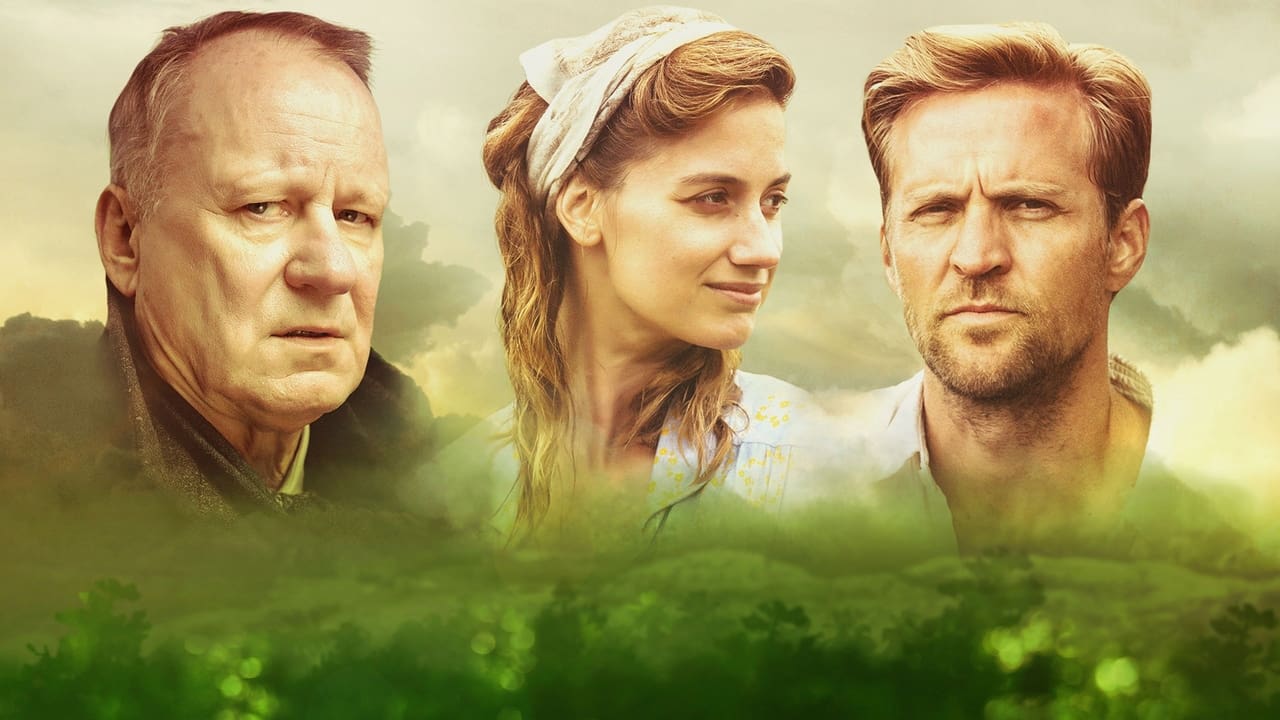
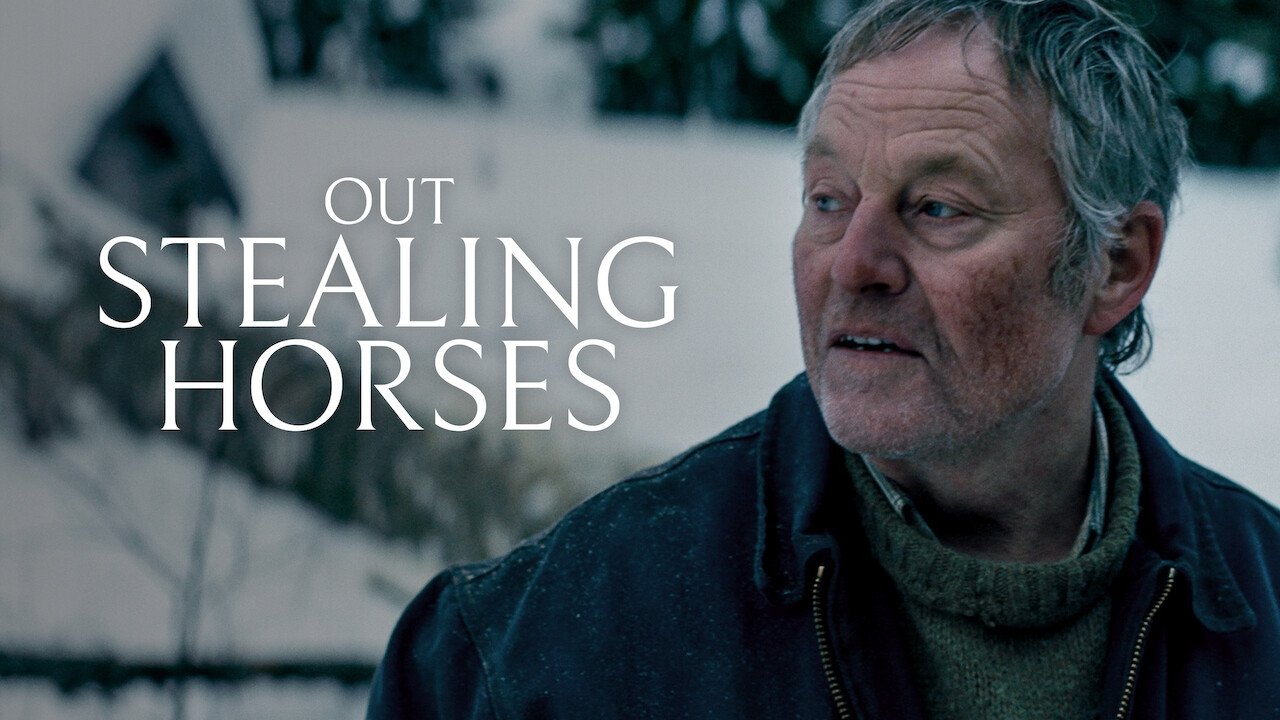
Based on the 2003 novel by Per Petterson, Out Stealing Horses is part of a specific genre of Nordic Noir that trades the 'noir' for deep, existential reflection. The story jumps between 1999—where an aging Trond (Stellan Skarsgård) is trying to disappear into the Norwegian countryside—and 1948, the summer that broke his world apart.
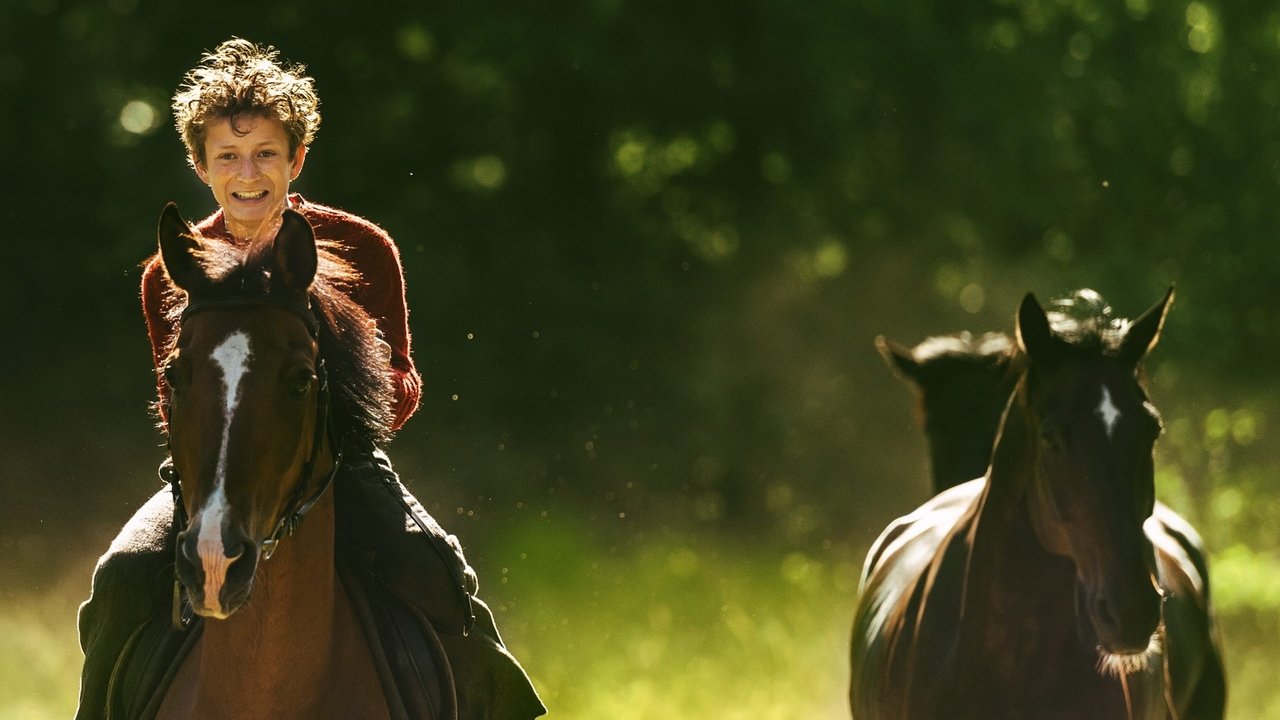
For a 2026 audience, this film serves as a necessary counter-program to the hyper-kinetic, algorithm-driven content that dominates most feeds. It demands a different kind of attention. You aren't watching for 'what happens next' as much as you are watching for 'how this feels.' The title itself refers to a game Trond and his friend Jon play, but it quickly becomes a metaphor for the things that are taken from us without permission.
Why the 1948 Timeline Matters
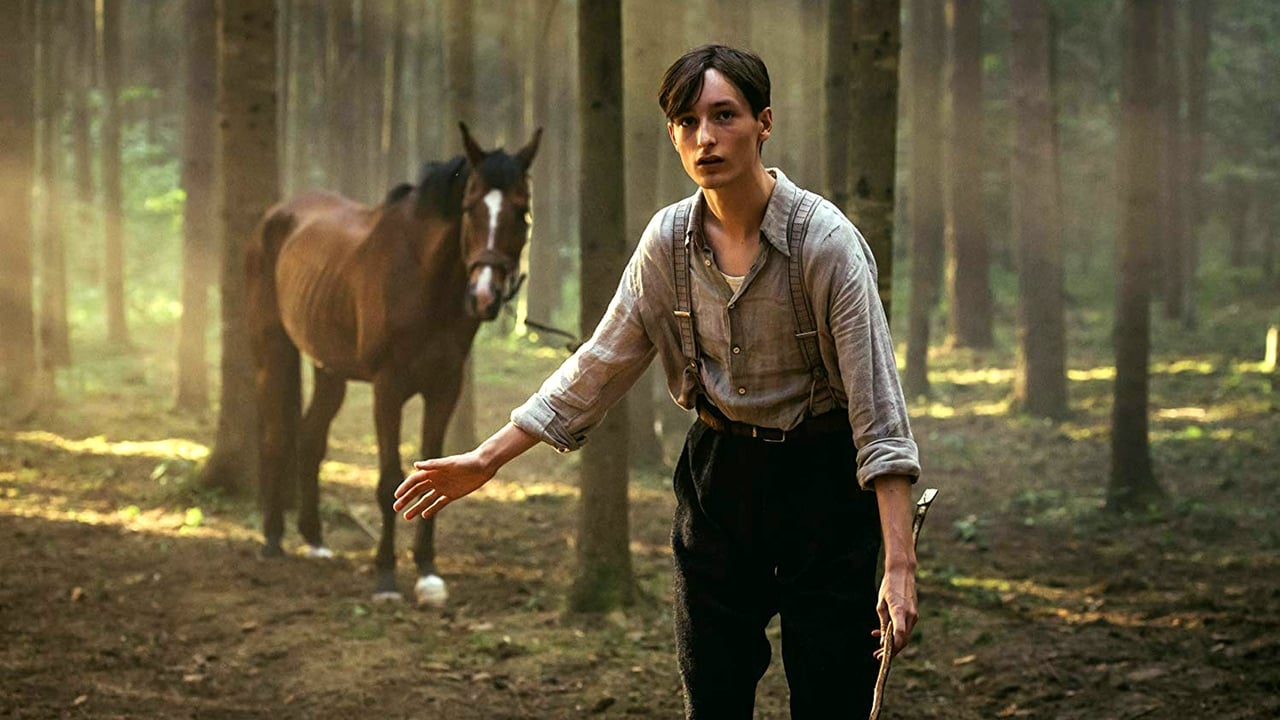
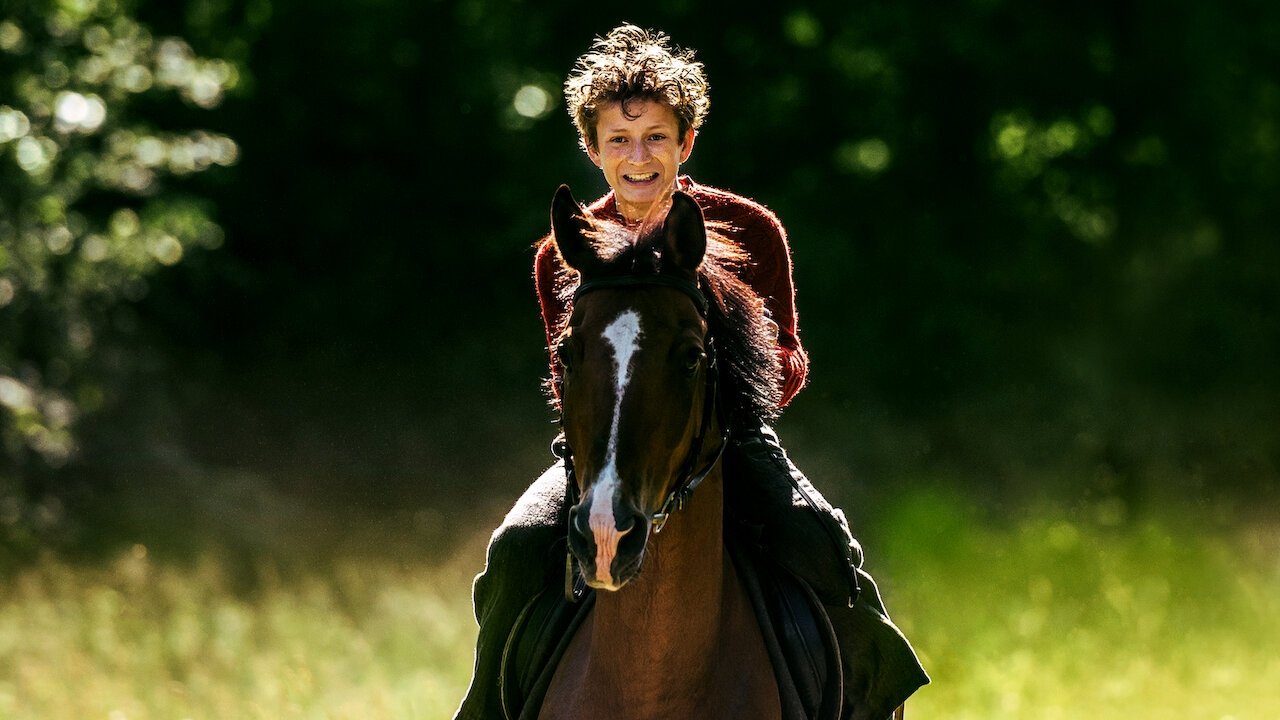
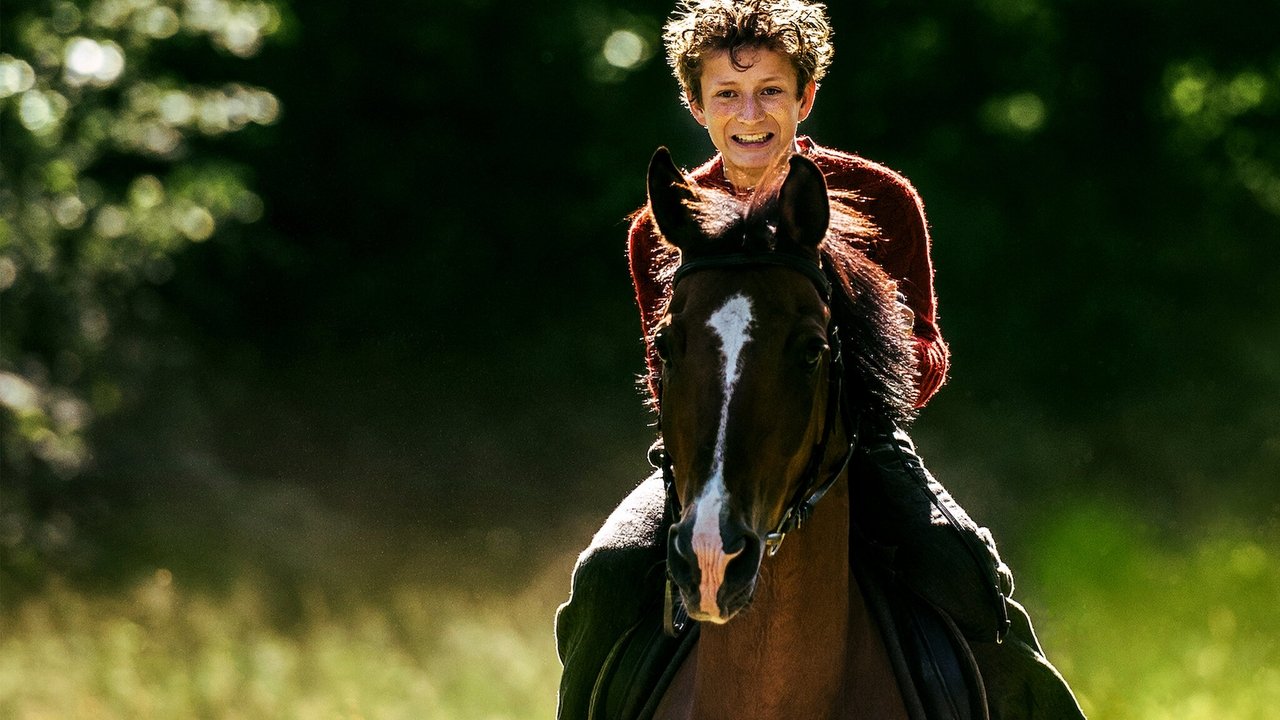
The heart of the movie is the 15-year-old version of Trond. This is where the 'Enriching' score comes from. It portrays a teenager discovering that his father is a flawed, complex, and ultimately selfish human being. For a kid hitting that age where the 'parental pedestal' starts to wobble, seeing that struggle reflected on screen can be genuinely validating.
"We do decide for ourselves when it will hurt."
This line from Trond’s father is the movie’s thesis. It’s a tough, stoic philosophy that the film eventually deconstructs. It’s worth noting that the film is in Norwegian with English subtitles (on most platforms), so ensure your kid is comfortable with that before diving in. If they can handle the subtitles, they’ll get a masterclass in visual composition and a story that lingers long after the credits roll.