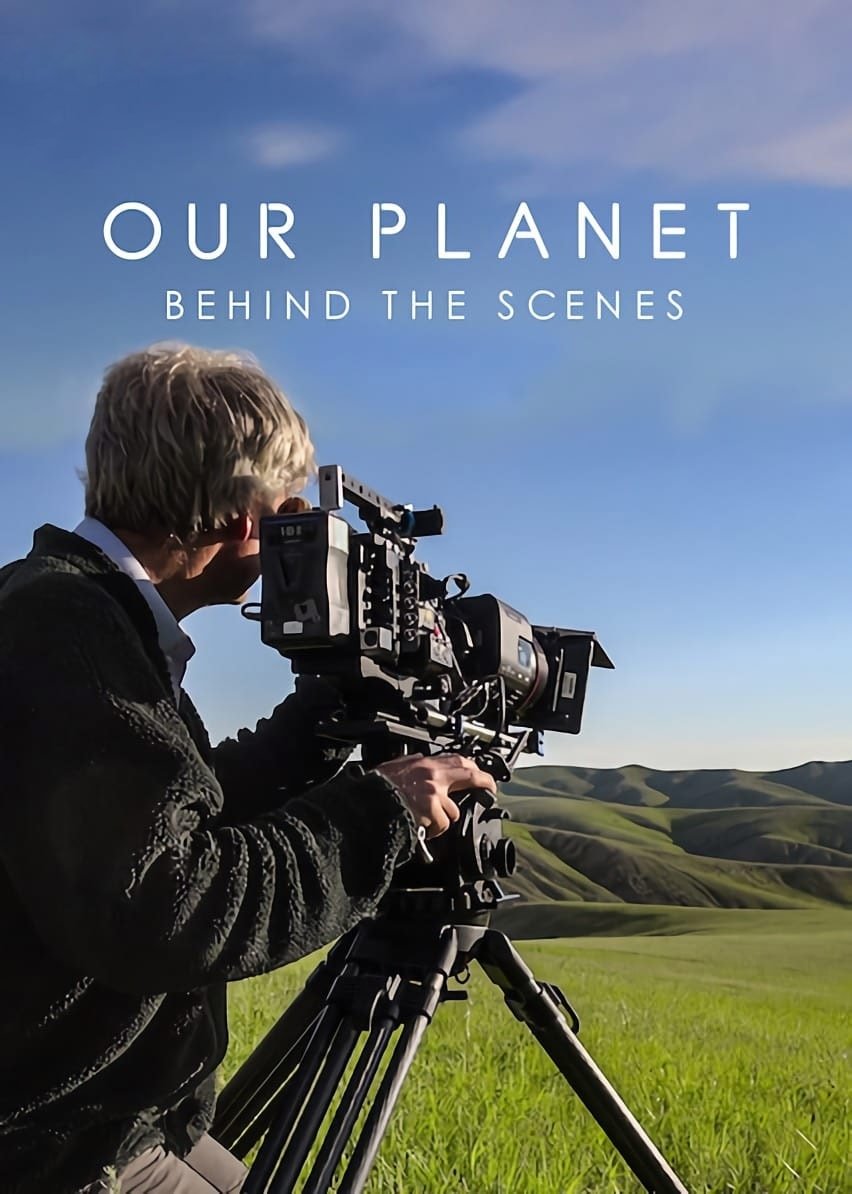
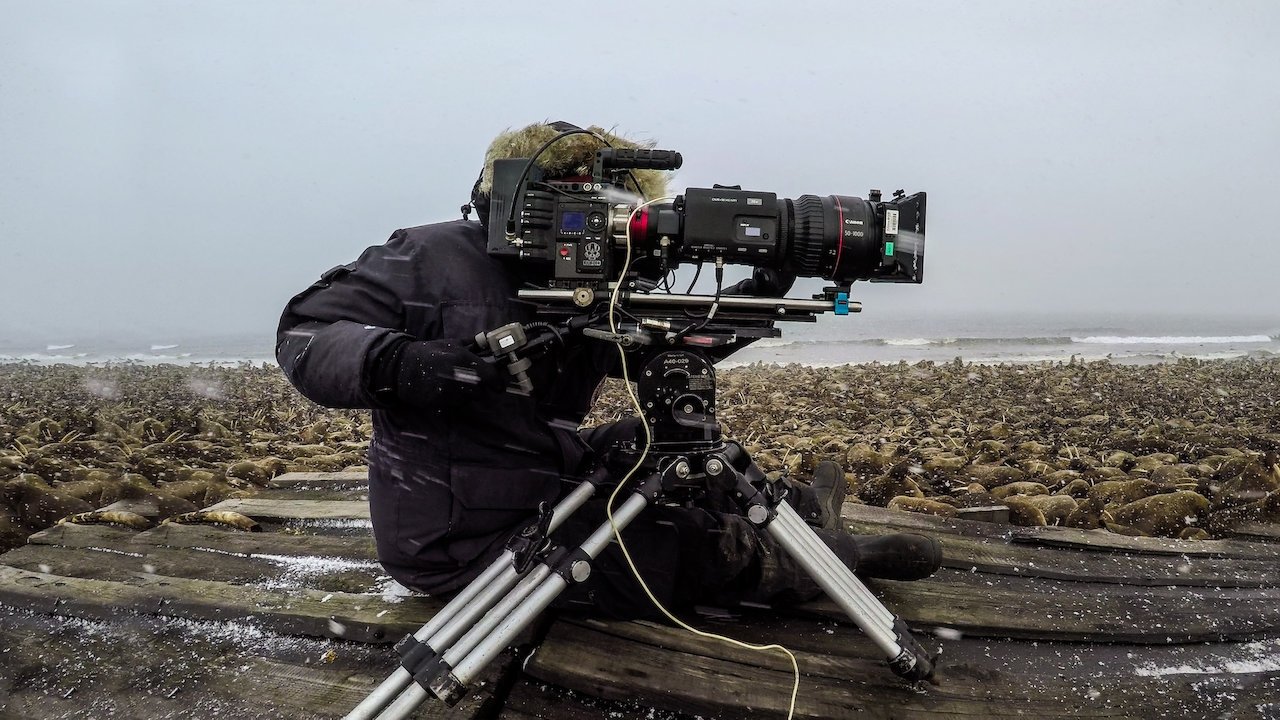
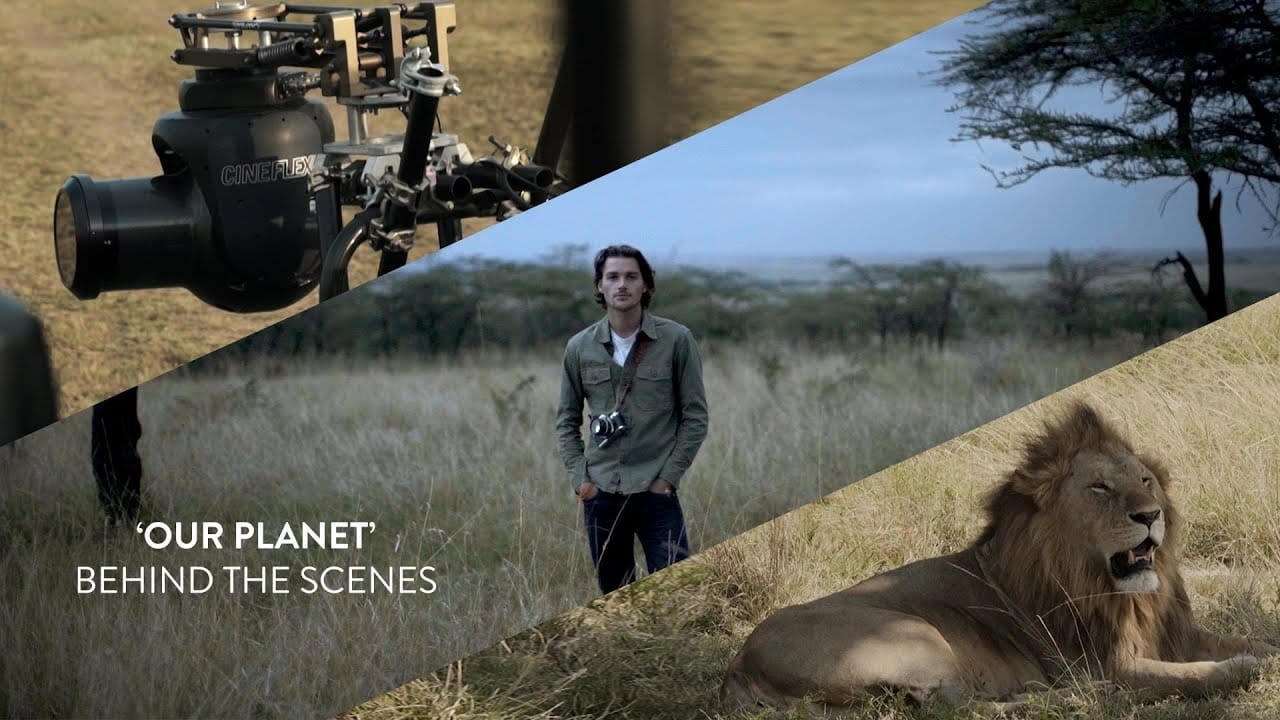
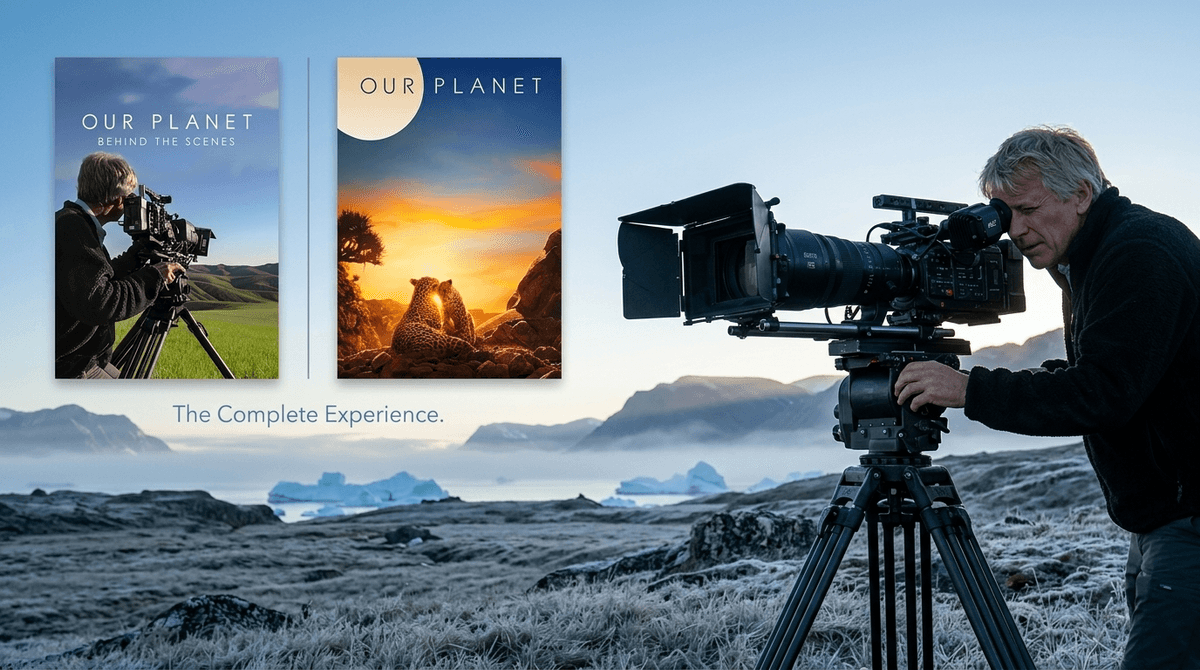
Most nature documentaries feel like they were filmed by invisible ghosts. You see a snow leopard from three feet away and your brain just accepts the image without questioning how it got there. This movie breaks that illusion in the best way possible. It turns the camera around to show the person shivering in a camo tent for five weeks just to get ten seconds of usable footage. If your kid has ever asked "where is the cameraman standing?" during a movie, this is the definitive answer.
The labor of the shot
We often talk about patience as a virtue for kids, but this is the extreme, professional-grade version of it. There is a specific kind of drama here that you don't get in the main series—the tension of a battery dying at the wrong moment or a storm rolling in when the crew is miles from base. It is less about the "circle of life" and more about the sheer persistence required to document a changing world.
For kids who are into tech, the gear is a major draw. We are looking at custom-built deep-sea submersibles and motion-trigger cameras that look like something out of a spy movie. Seeing how these tools are deployed helps bridge the gap between a standard science class and real-world engineering. It is a natural entry point for Our Planet Behind the Scenes: High-Tech Cameras and Heartbreaking Truths, which gets into how these tools are actually used to track conservation efforts.
Processing the heavy stuff
The main series is famous for being beautiful but occasionally devastating. This behind-the-scenes look adds a necessary layer of human connection to those moments. When things go wrong in nature—like the infamous walrus sequence—you aren't just watching the animals. You are watching the crew grapple with the ethics of their job. They are professionals, but they aren't robots.
This makes the climate change conversation feel less like a scary future lecture and more like a shared experience. You see the filmmakers' faces when they realize a glacier has retreated miles since the last time they visited. It moves the needle from "the planet is in trouble" to "these specific people I just watched for an hour are worried about this place they love."
Better than the main event?
In some ways, this is more engaging for a ten-year-old than the actual series. While the main episodes can sometimes drift into background-TV territory because of the slow pace, the behind-the-scenes footage has a faster, more urgent energy. It is a workplace drama where the office happens to be the Arctic circle or a dense jungle.
If your family already burned through the big-budget nature hits and wants something with more grit, this is the move. It is a high-quality production that respects the viewer's intelligence. It doesn't treat the "boring" parts of filmmaking as boring; it treats them as an adventure. It’s the difference between looking at a painting and getting to walk through the artist’s studio while the paint is still wet.