The Masterpiece You Can't Unsee
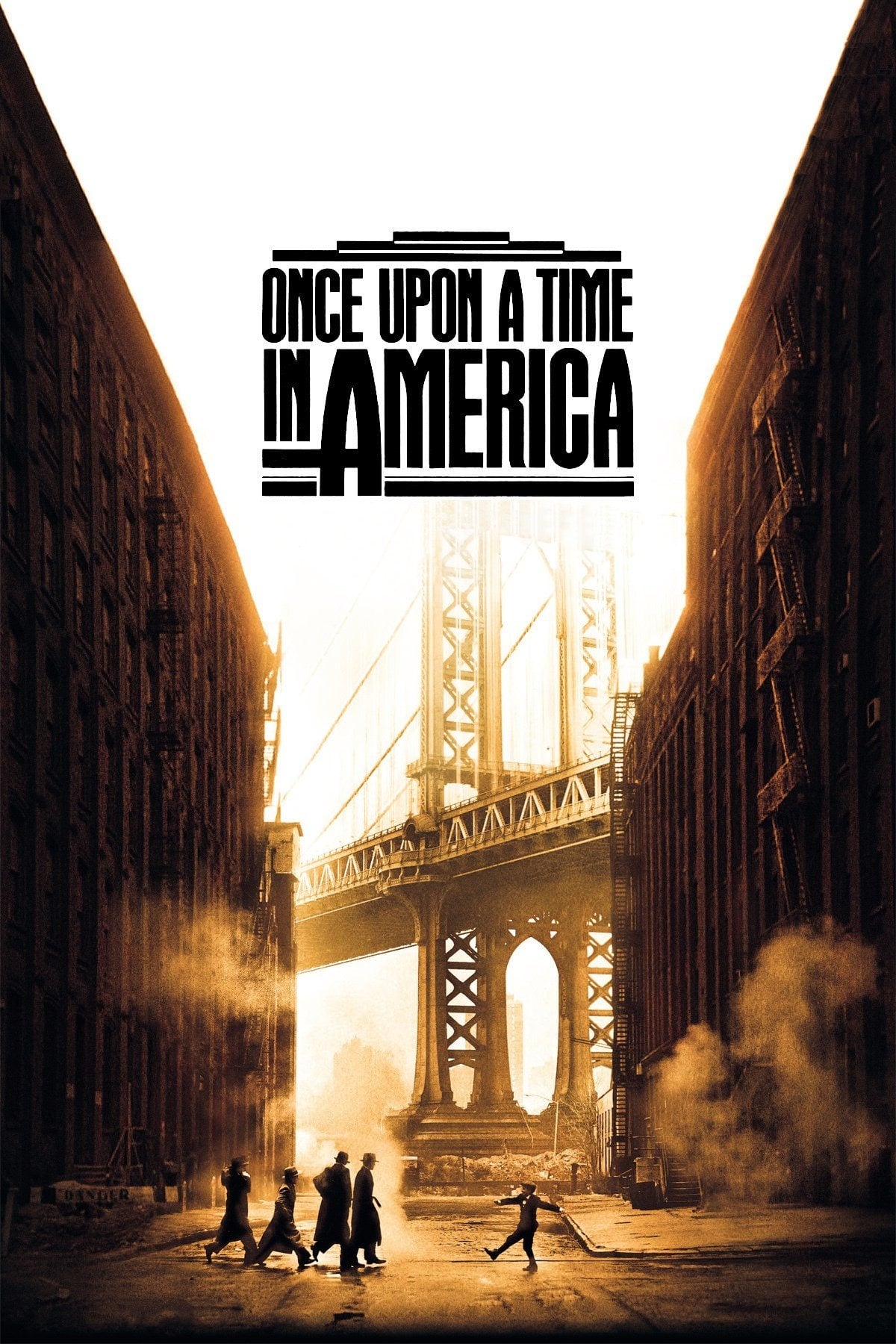
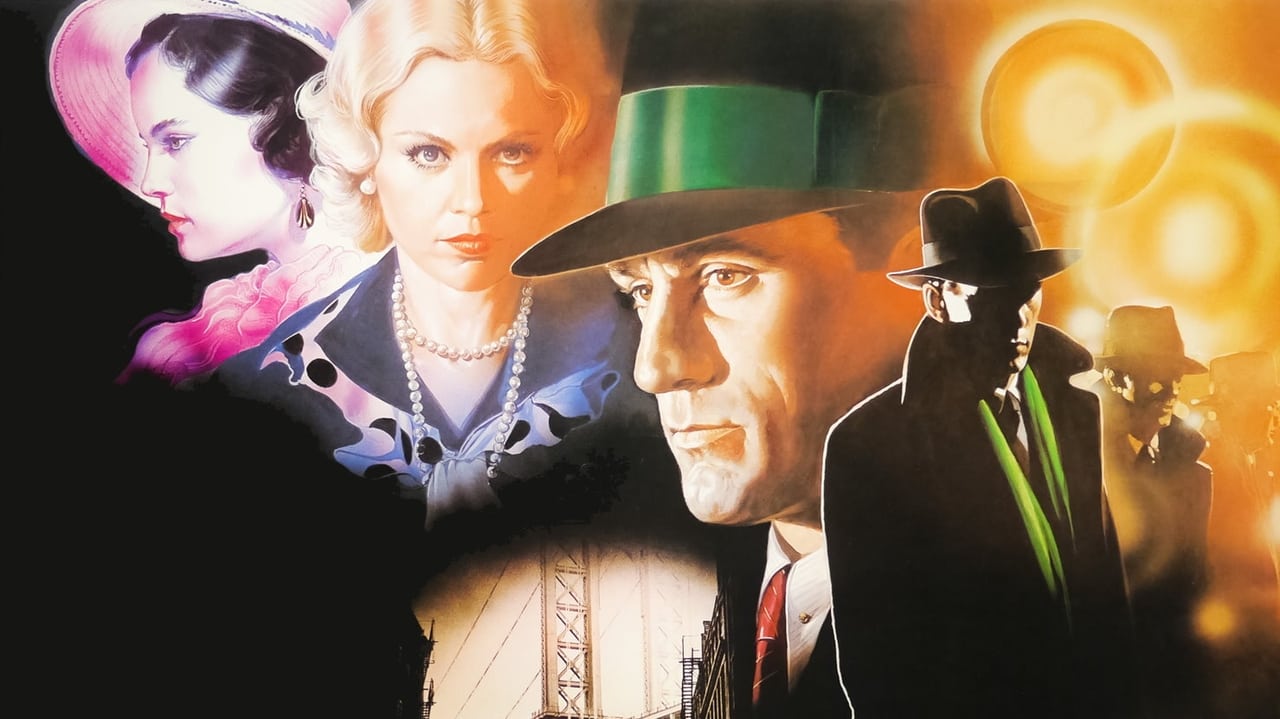
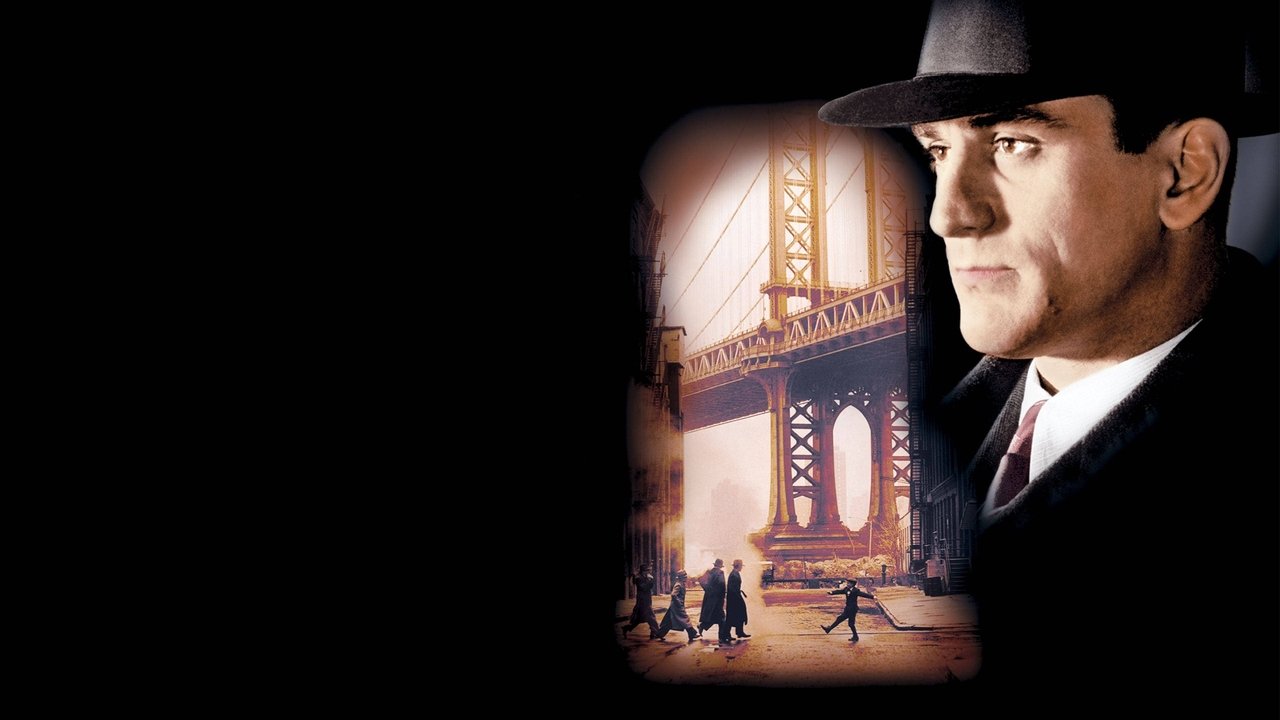
Sergio Leone, the man who gave us the 'Man with No Name' and the sweeping vistas of Once Upon a Time in the West, spent over a decade trying to make this film. It was his swan song, and it feels like it. Every frame is saturated with the weight of a man looking back at a life he ruined.
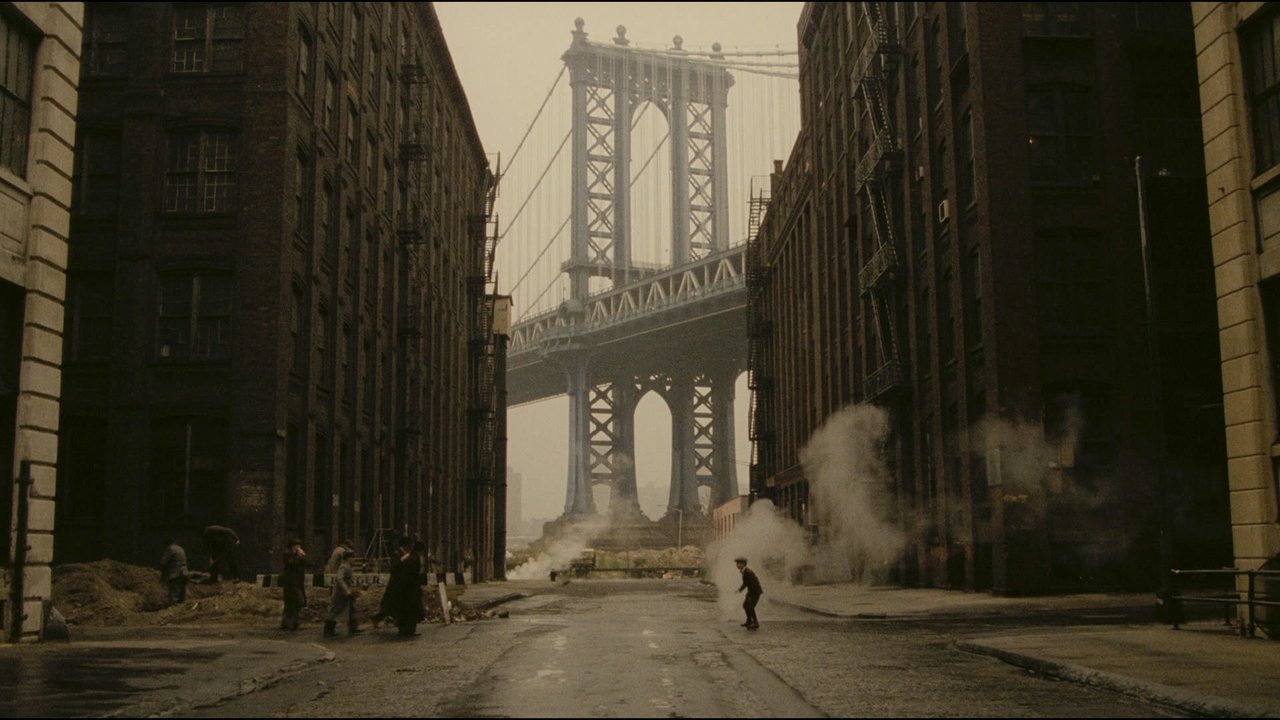
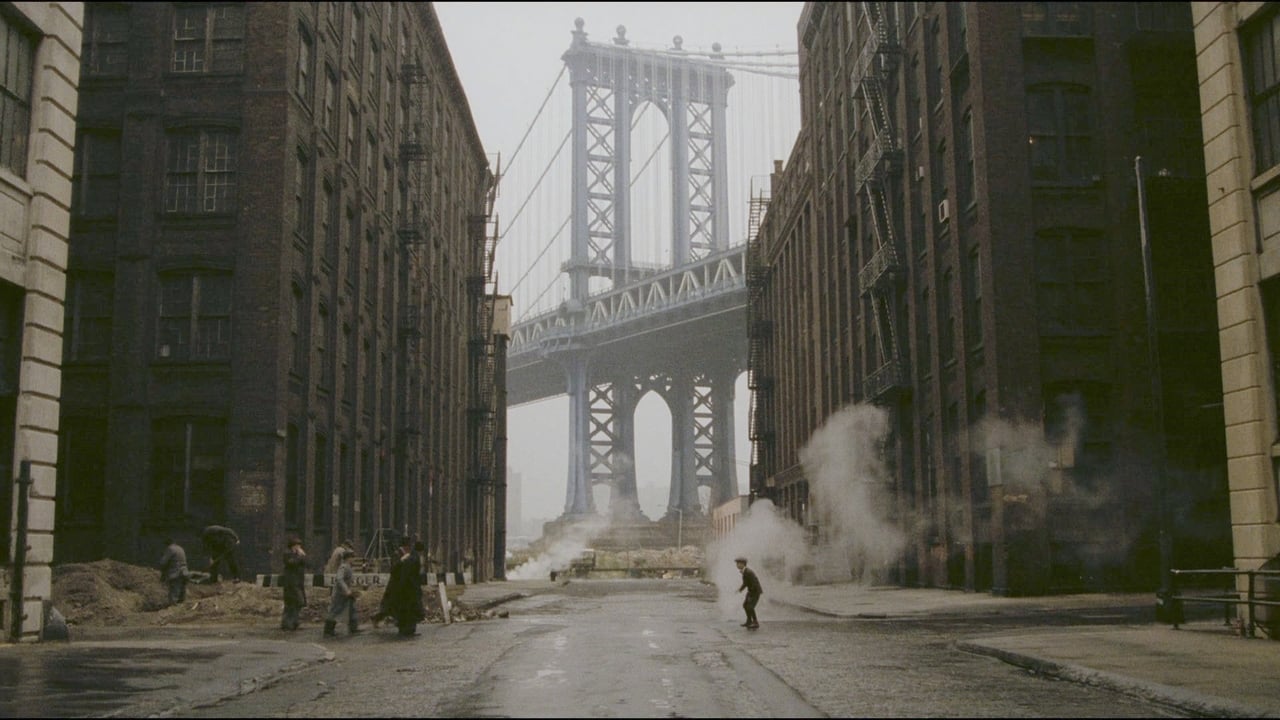
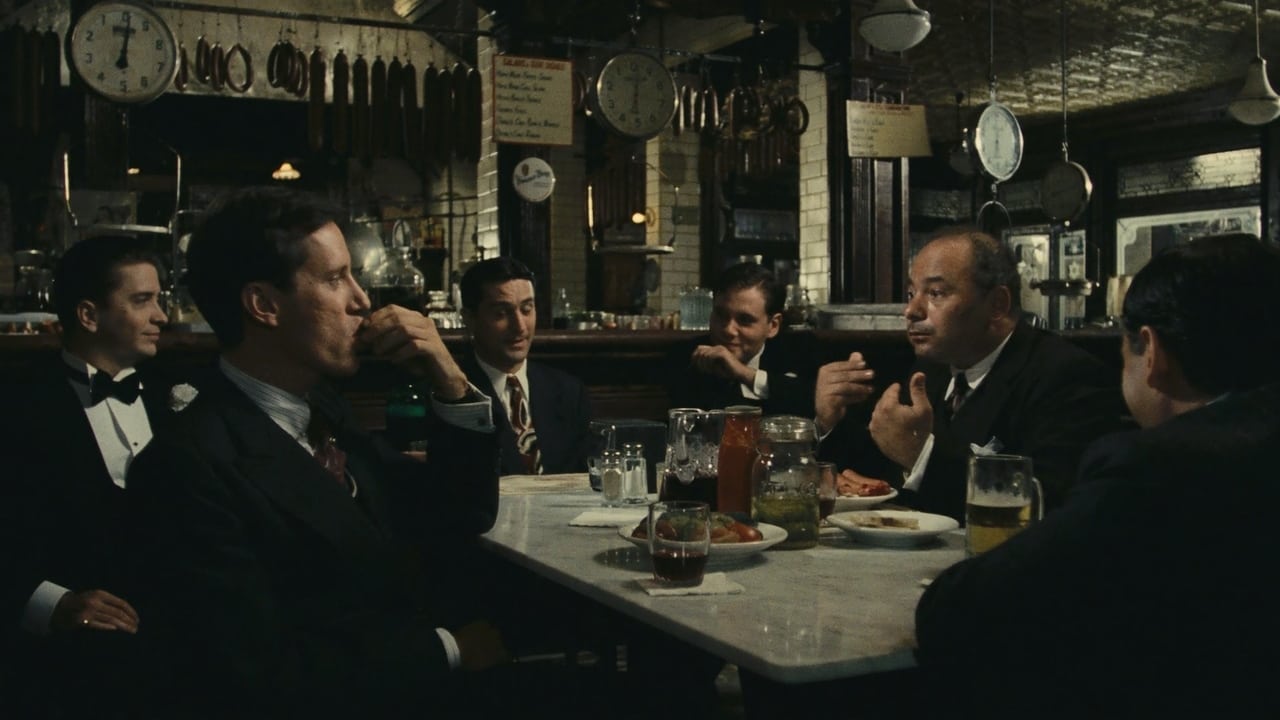
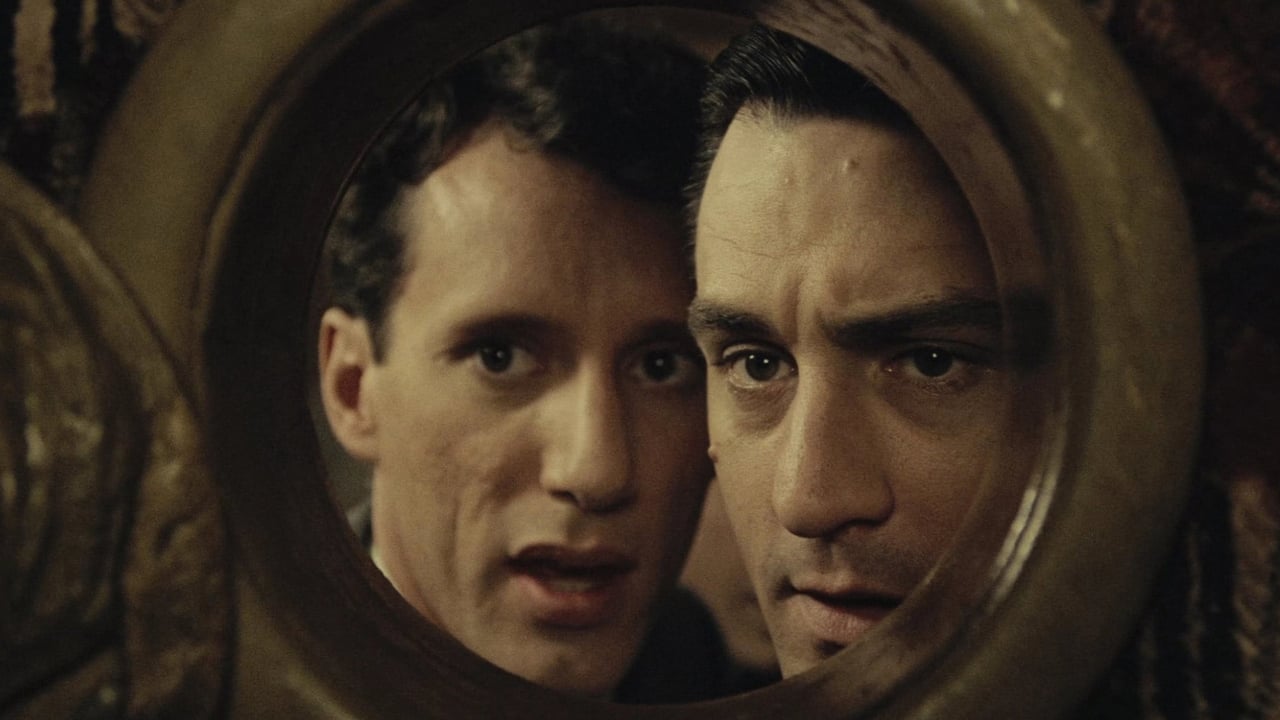
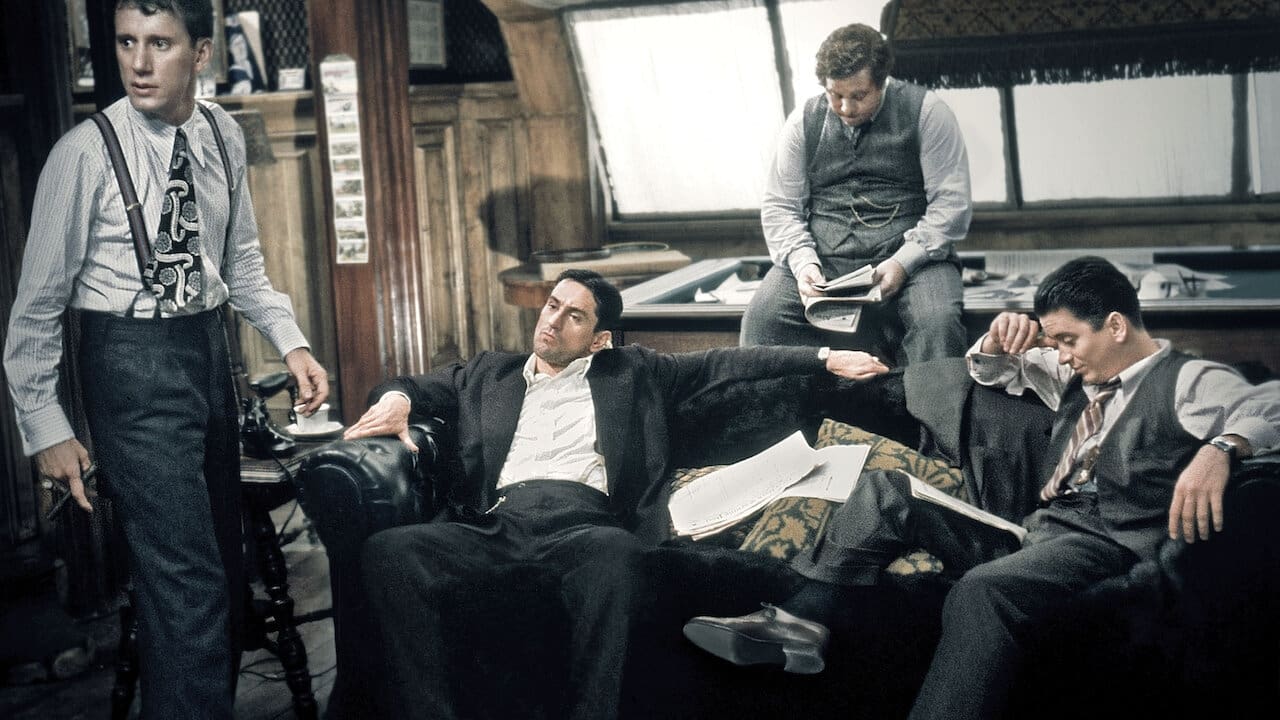
What makes this film difficult for modern audiences—beyond the disturbing content—is the structure. It doesn't tell you where you are. You have to follow the visual cues: the way a phone rings across decades, the change in the lighting of the Lower East Side, and the aging of Robert De Niro and James Woods. It’s a film about memory, and memory is messy.
The 'Director's Cut' Warning
When this movie first hit American theaters in 1984, the studio panicked. They cut it down to 139 minutes and put the scenes in chronological order. It was a disaster and bombed at the box office. If you're going to watch this, you must watch the 229-minute cut (or the even longer 251-minute version if you can find it). The length is the point. You need to feel the decades pass to understand the tragedy of the ending.
Why the Safety Score is a Zero
We have to be real about the sexual violence here. Unlike many crime epics that glamorize the 'bad guy,' Leone uses graphic assault to strip away any charm Noodles (De Niro) might have. It makes the character repulsive, which is an intentional artistic choice, but it also makes the movie impossible to recommend to anyone who isn't prepared for that level of darkness. This isn't a 'fun' gangster movie. It's a funeral for the American Dream.