Oliver Twist

Oliver Twist

book

2016, Teen & Young Adult, Literature & Fiction

WISE
58%

WISE Score

4.4

Amazon

Dickens' grim Victorian masterpiece about an orphan navigating London's criminal underworld—educational but genuinely dark.

Amazon4.4
Common Sense Media

Where to Read

Our reviews and ratings are 100% unbiased, but as an Amazon Associate, Screenwise earns an affiliate fee if you buy a book or game by clicking one of our links. We don't get any credit if you just Google it instead :)

Screenwise Verdict

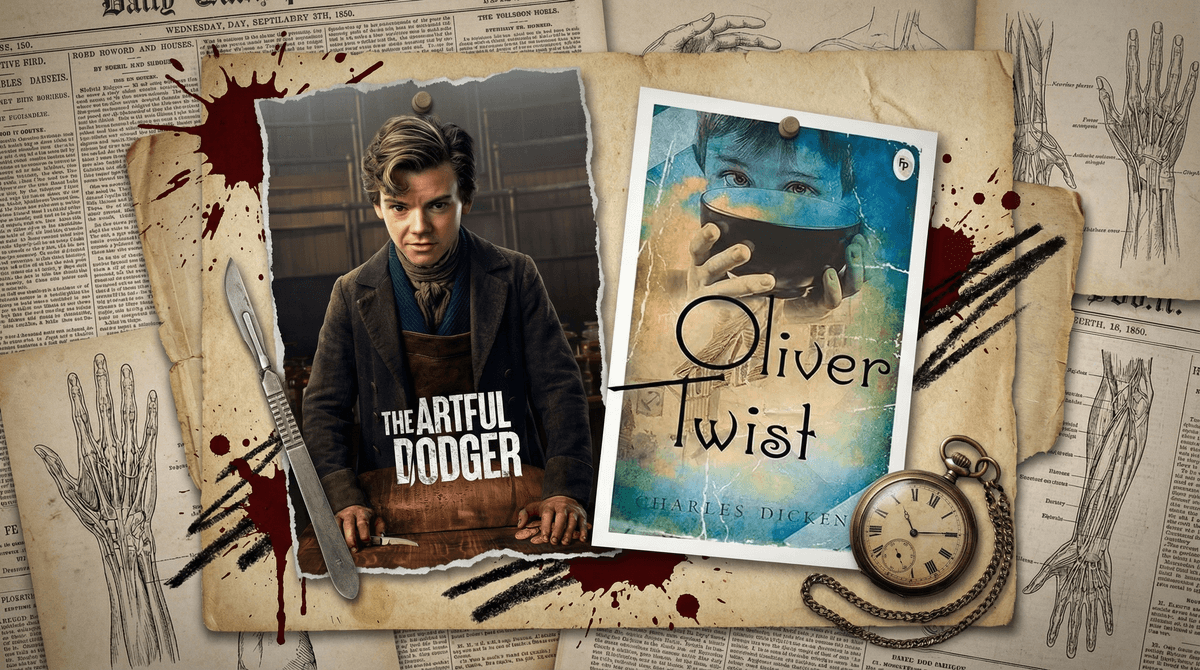
Look, this is a literary giant. Dickens changed how people thought about poverty and child welfare. Oliver Twist is genuinely important, and if your kid is doing a Victorian literature unit, it's essential reading.

But let's be real: this is a tough sell for modern kids. The prose is dense, the pacing is slow, and the content is genuinely dark—child abuse, exploitation, a graphic domestic violence murder. Parent reviews consistently say 10+ minimum, and even then, you need a mature reader who can handle heavy themes.

The 2016 edition appears to be a standard reprint, not a simplified version, so you're getting full Dickens. That means rich vocabulary and historical detail, but also means it's a slog if your kid isn't already into classic literature.

If you've got a bookish middle schooler who loves historical fiction and can handle dark material, this delivers. For everyone else? Maybe start with the musical or a film adaptation and see if they're interested enough to tackle the source material.
Age Fit

Best for mature readers 11-14+ who can handle dark themes and dense prose. The violence, child abuse, and Nancy's murder make this inappropriate for younger kids despite simplified adaptations existing. Strong readers interested in history will get the most out of it.

WISE Breakdown
Wholesome
68

Dickens explores poverty, injustice, and child exploitation with compassion, ultimately rewarding Oliver's goodness. However, the journey includes abuse, neglect, and morally complex characters like Fagin who exploit children. The tone is earnest rather than chaotic, modeling resilience and kindness despite bleak circumstances.

Imaginative
72

Victorian London comes alive through Dickens' vivid descriptions of workhouses, criminal underworlds, and class divides. The social commentary is groundbreaking for its time, inviting readers to see the world through new eyes. However, the imaginative appeal is more historical and atmospheric than fantastical or creative in ways modern kids typically engage with.

Safe
62

Contains scenes of child abuse (Oliver beaten by Sowerberry), kidnapping (Bill and Nancy), violence, and the murder of Nancy by Bill Sikes—a brutal domestic violence scene. Fagin's criminal enterprise exploiting children is disturbing. Web searches confirm parents recommend 10+ due to scary kidnapping scenes. The content isn't gratuitous but is genuinely dark and could be upsetting for younger or sensitive readers.

Enriching
86

A masterclass in social novel writing that exposes the brutal realities of 19th-century poverty and the failures of the workhouse system. Builds empathy for the marginalized, introduces complex moral questions about crime born of desperation, and offers rich vocabulary and historical context. The story's enduring influence on social reform is significant. Highly educational about Victorian England and class systems.

Parent Info

Why It Might Be Great

  • One of the most important social novels ever written, exposing child exploitation and poverty with unflinching honesty
  • Builds serious empathy for marginalized people and understanding of how desperation drives behavior
  • Rich historical window into Victorian England, the Industrial Revolution, and the birth of social reform movements
  • Introduces complex moral questions: Is Fagin evil or a product of his circumstances? What does Oliver owe his rescuers?
  • Dickens' character work is legendary—from the Artful Dodger to Bill Sikes, these figures stick with you

What to Watch For

  • Nancy's murder by Bill Sikes is brutal and disturbing—domestic violence depicted in Victorian terms but still violent
  • Child abuse throughout: Oliver is starved, beaten, locked up, and exploited by multiple adults
  • The kidnapping scene is genuinely scary for younger kids (parent reviews confirm 10+ recommendation)
  • Dense Victorian prose with long sentences and period-specific language—this is not a quick or easy read for modern kids
  • Antisemitic stereotyping in Fagin's portrayal is a historical artifact that requires context and discussion

Conversation Starters

  • "Why do you think Fagin got kids to steal for him instead of doing it himself? What does that say about how he saw them?"
  • "Oliver keeps his goodness even when everyone around him is terrible. Do you think that's realistic? Would you stay kind in his situation?"
  • "The workhouse was supposed to help poor people but made their lives worse. Why do you think that happened?"
  • "Nancy knows Bill is dangerous but stays with him. Why do you think she made that choice?"
  • "If you were writing this story today, what would be the modern version of Oliver's struggles?"

Ask Anything

Get a personalized guide on any topic