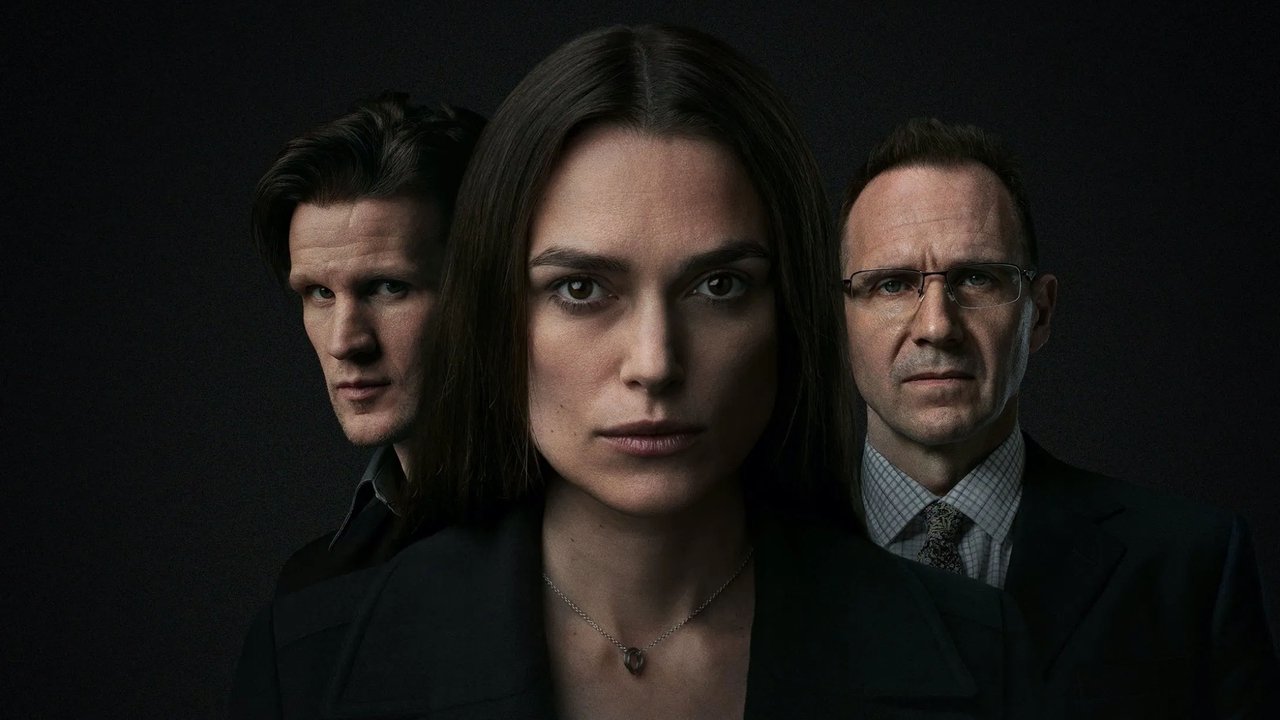
The anti-spy movie
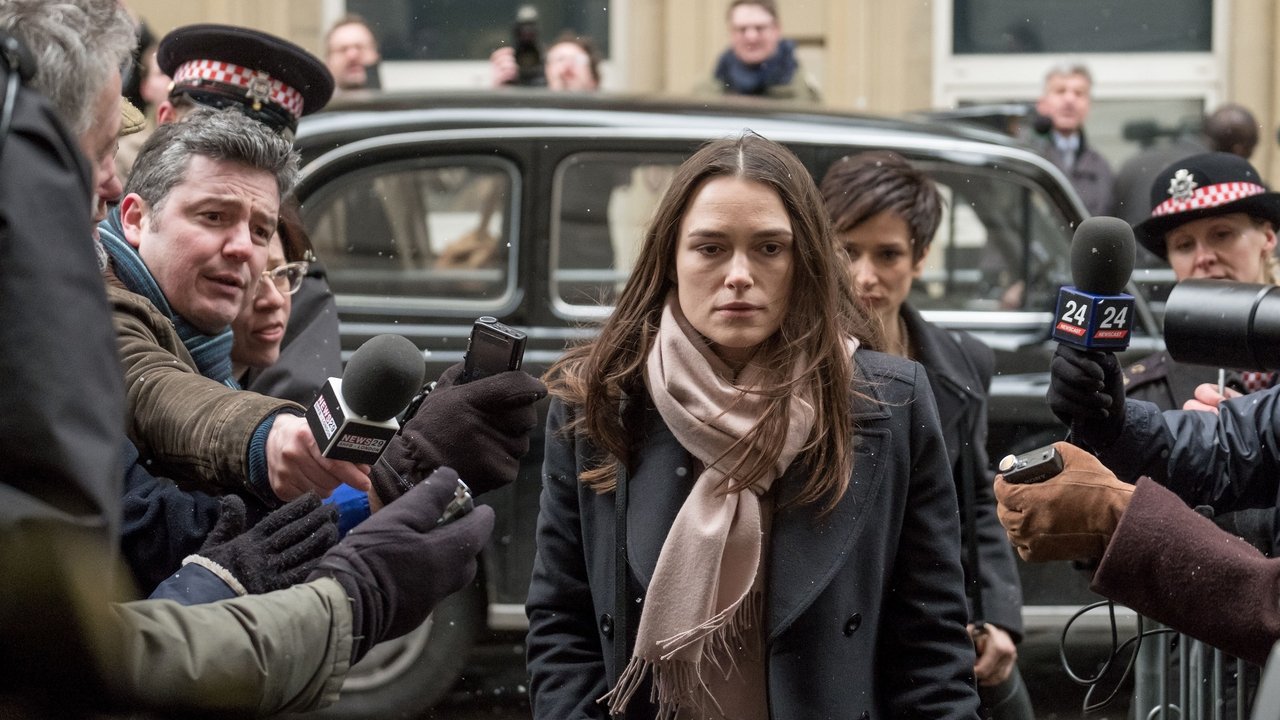
If your teenager grew up on the high-octane, gadget-heavy world of Mission: Impossible or the Bourne franchise, they need a reality check on what intelligence work actually looks like. Official Secrets is that reality check. It’s a movie where the most dangerous weapon is a photocopier and the most intense action sequence involves someone deciding whether or not to hit "send" on an email.
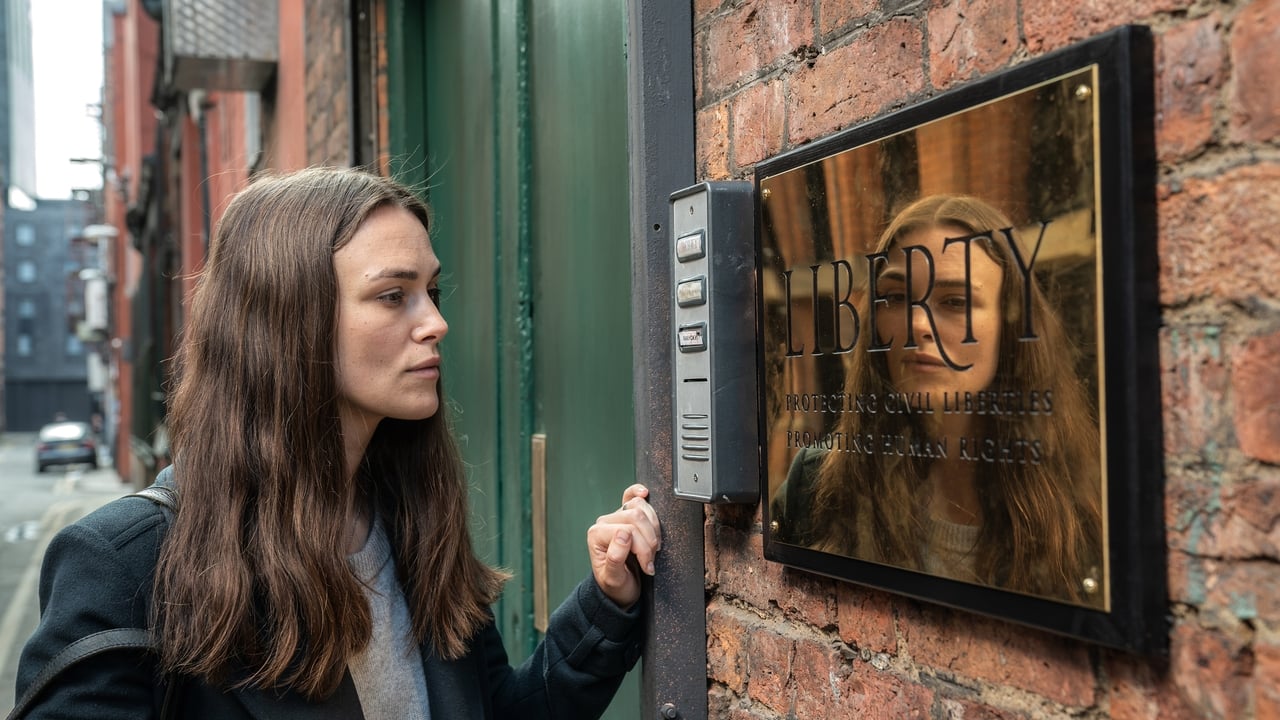
We often talk to kids about "doing the right thing," but we rarely show them the bureaucratic nightmare that follows. This isn't a story about a hero who gets a medal; it’s a story about a woman who gets her life dismantled by the state because she dared to prioritize the public over her employer. For a teen who is starting to question authority or has a cynical streak about how the world works, this film is essential viewing. It validates that feeling that the "adults in the room" don't always have a plan that makes sense.
The "moral injury" of the 2000s
While the movie is set in 2003, it feels incredibly modern. It captures the specific anxiety of being a small cog in a massive, failing machine. The film doesn't waste time on car chases because the real tension is in the paranoia. You feel the walls closing in on the protagonist as she realizes that her own government is more interested in "winning" a vote than following the law.
If your kid is into history or politics, this is a great companion piece to any curriculum covering the Iraq War. It moves the conversation away from maps and troop movements and puts it squarely on the shoulders of the people who saw the "top secret" memos and had to live with the contents. The film is at its best when it shows the isolation of whistleblowing. It’s not a team sport; it’s a lonely, terrifying choice that affects your family, your citizenship, and your sanity.
Why it works (and where it drags)
Let’s be real: this is a "talky" film. If your household thrives on Marvel-paced editing, the first thirty minutes might feel like a slog. It’s a procedural that demands you pay attention to names and titles. However, the payoff is worth it. The third act, which moves into the legal defense and the courtroom, is where the movie finds its teeth.
The critics on Rotten Tomatoes and the audience scores are surprisingly aligned here, which is rare for a political drama. That 89% audience score tells you that while the subject matter is dry, the emotional hook is strong. You aren't just watching a history lesson; you’re watching a person try to survive a system designed to crush her.
If your teen liked The Post or Spotlight, they will find the same kind of satisfaction here. It’s about the slow, grinding work of truth-telling. It’s also a great way to introduce the concept of "proportionality." The government goes nuclear on a single whistleblower to hide a massive lie, and seeing that imbalance on screen is a great way to spark a conversation about accountability. Just keep the remote handy for the occasional news footage of the actual war—it’s brief, but it’s a sharp reminder that the stakes of those leaked memos were very, very real.