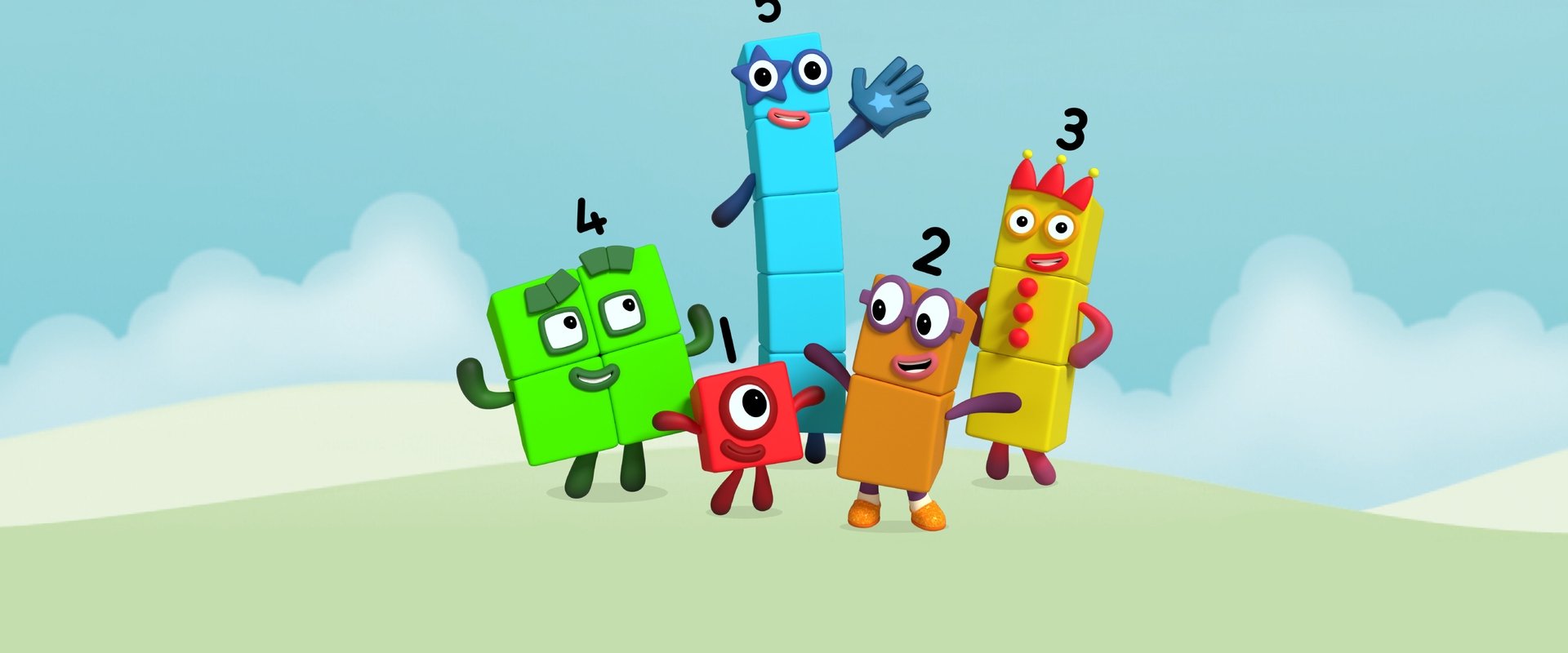
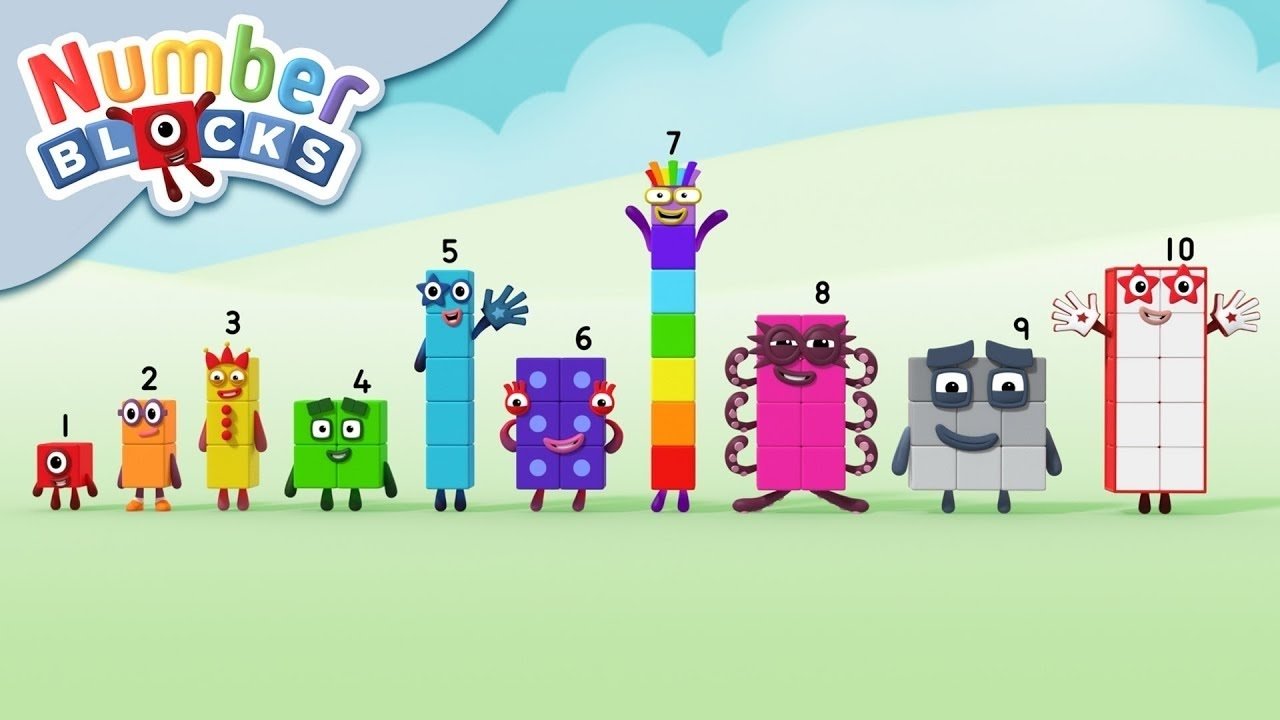
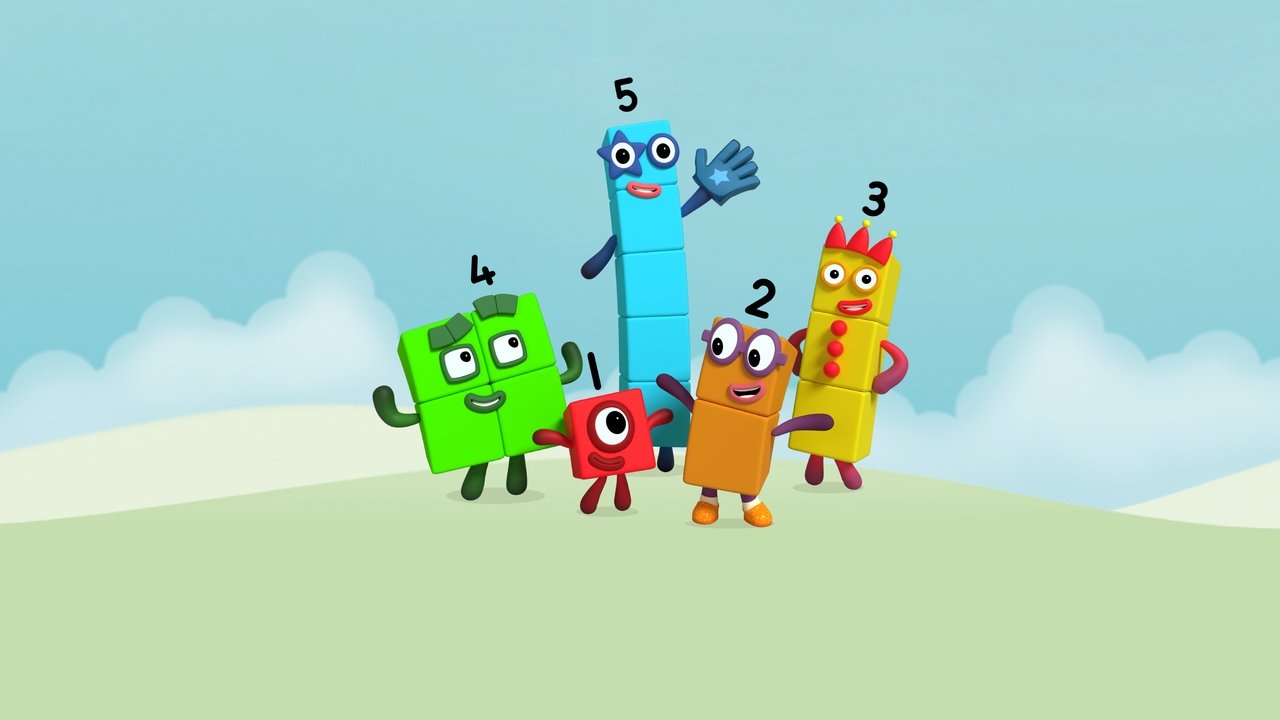
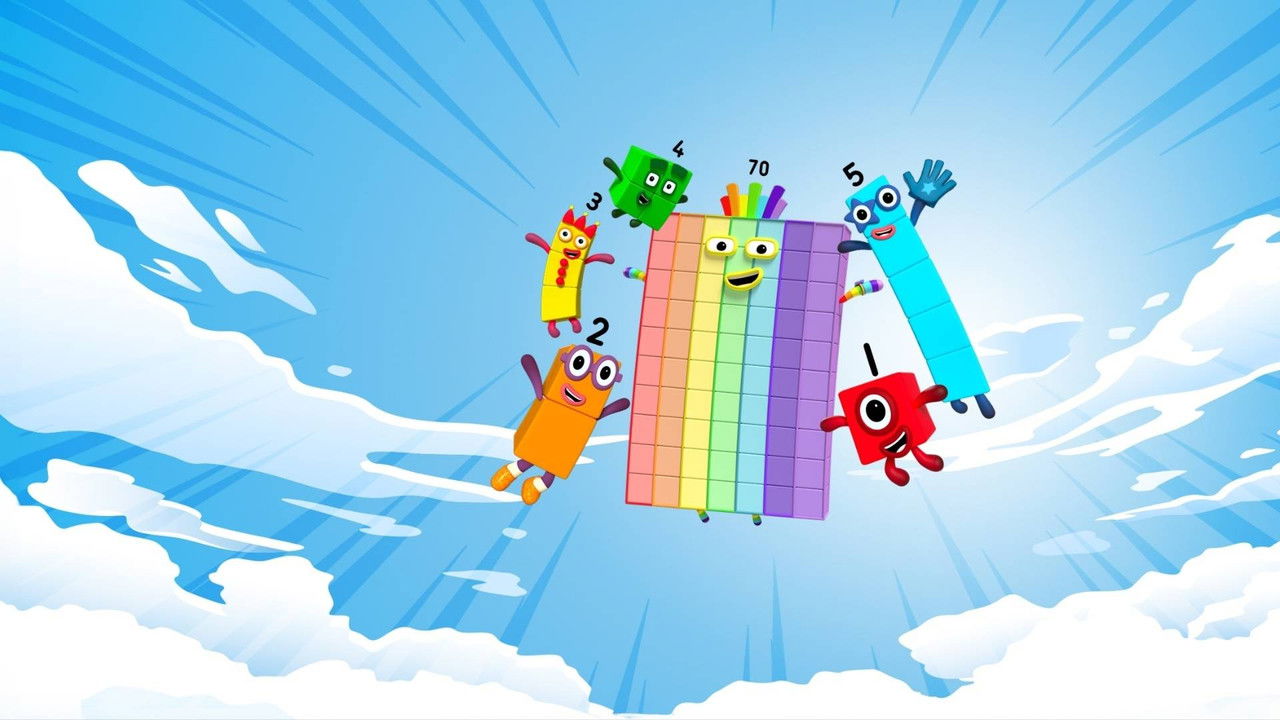
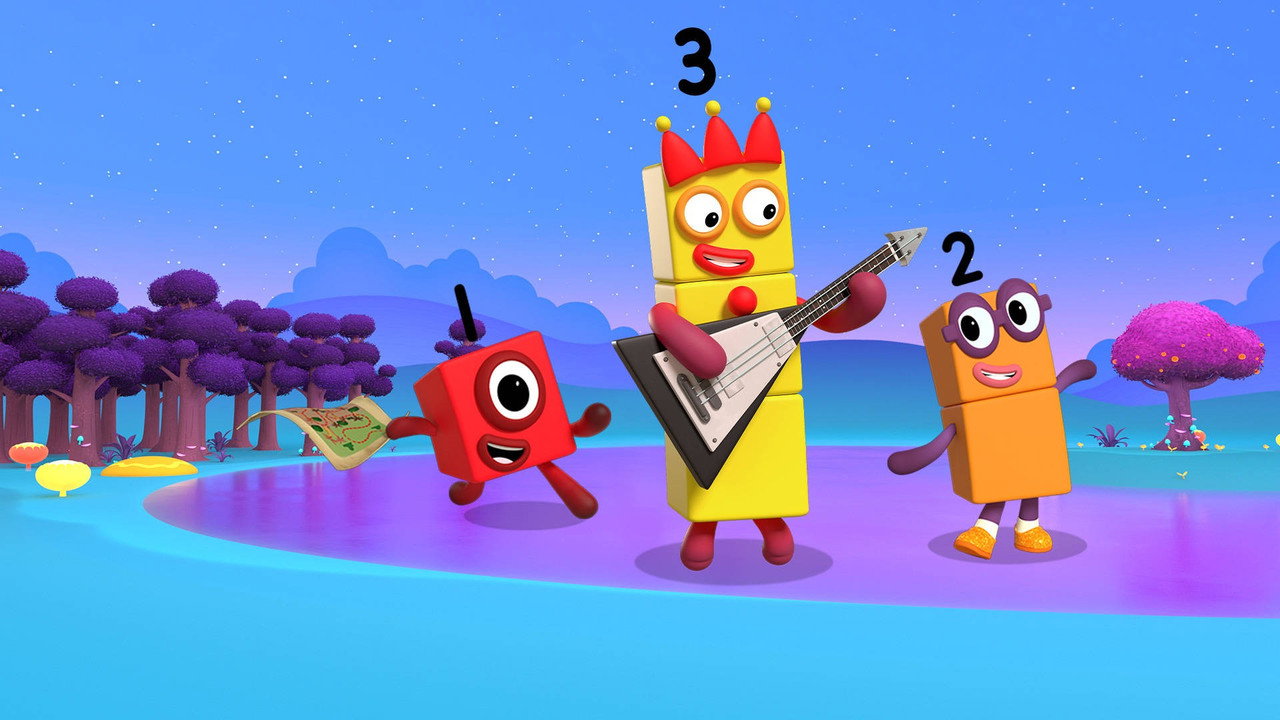
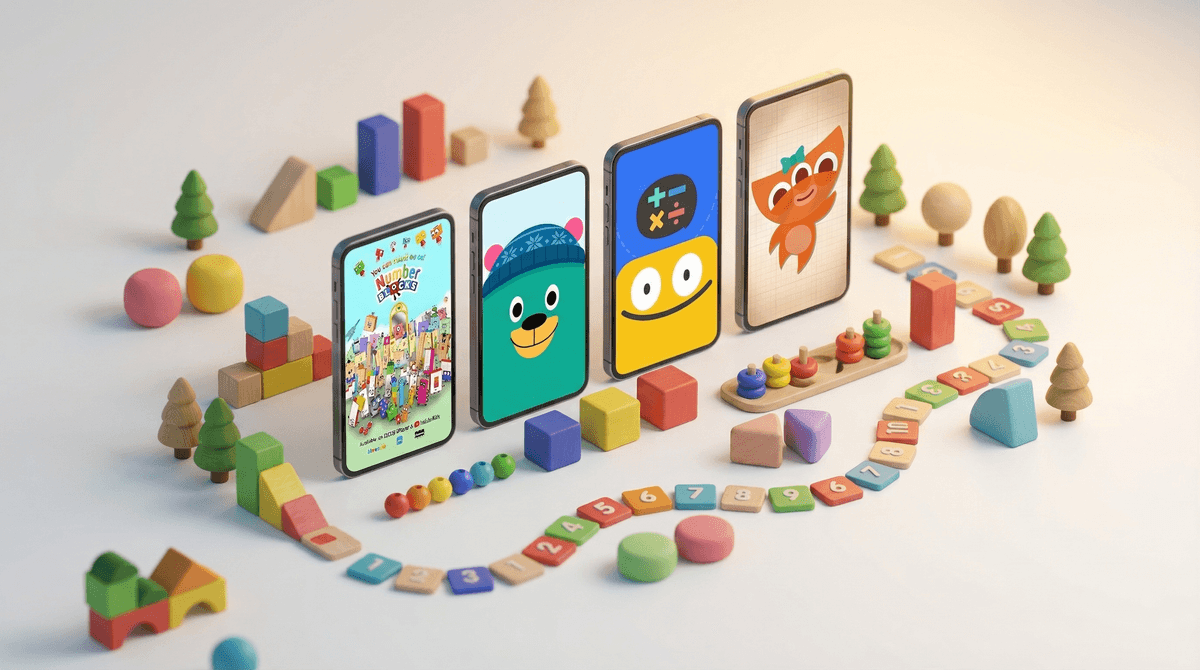
Most educational shows treat math like a pill hidden in applesauce. They tell a story for nine minutes and then tack on a "let's count to ten" segment that feels like a commercial break. Numberblocks is different because the math is the anatomy of the characters. When Three (a literal stack of three blocks) stands on top of Two, they don't just "become" Five—they physically transform into the shape and personality of Five.
This visual logic is why the show is a powerhouse. It moves past rote memorization and teaches number sense, which is the ability to see how numbers relate to each other. By the time the show introduces "Square Numbers" (who are literally shaped like squares), your kid isn't just memorizing 2x2=4; they are seeing the geometry of the concept.
The British pacing advantage
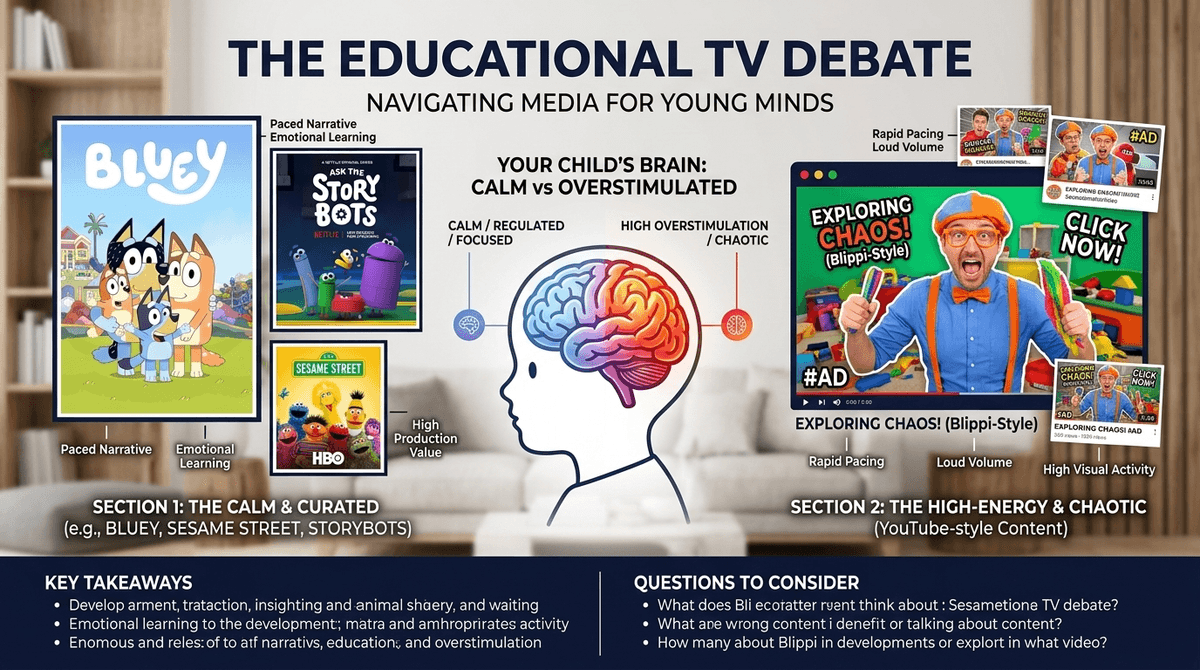
If you’ve spent any time navigating the American vs. British kids’ TV divide, you’ll recognize the CBeebies DNA here immediately. Unlike the frantic, high-decibel energy of many American preschool hits, Numberblocks is relatively calm. There is a lot of singing—and the songs are genuinely clever—but the pacing allows a child's brain to actually process the logic of the "block-splitting" before the next scene starts.
It lacks the cynical "engagement" tricks that define the "zombie-eye" shows. There are no random loud noises or rapid-fire cuts designed to keep a toddler's eyes glued to the screen through overstimulation. Instead, the engagement comes from the puzzle of the math itself.
Navigating the YouTube rabbit hole
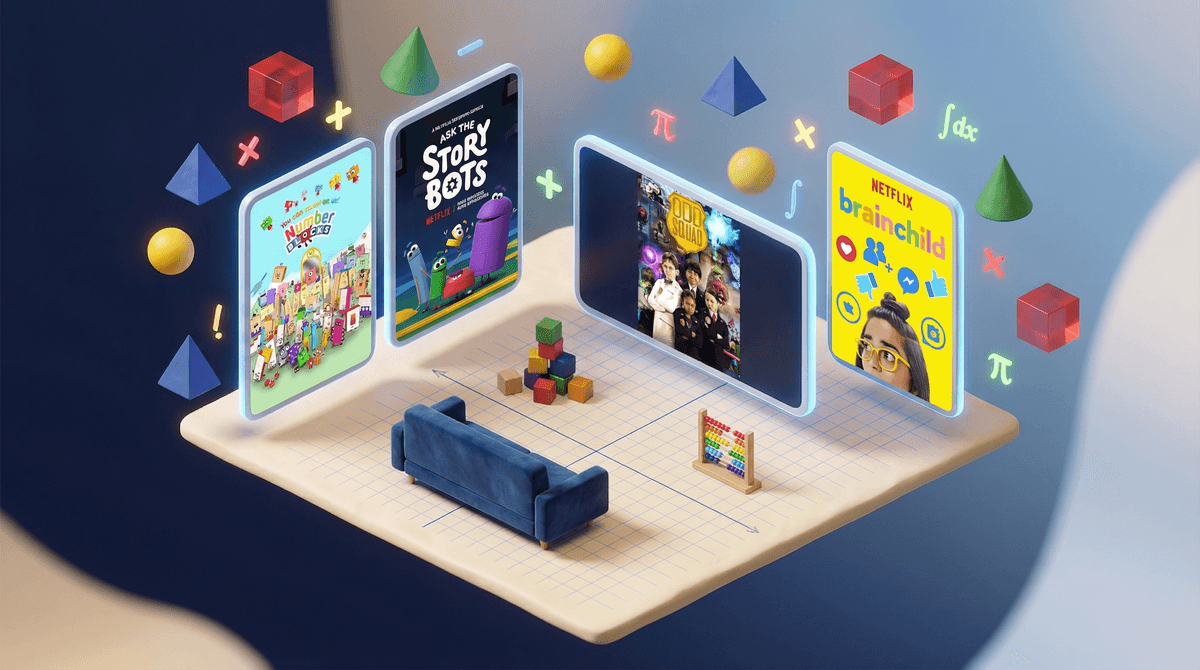
While the show is a staple on Netflix, its massive presence on YouTube (boasting billions of views) creates a different set of choices for parents. On Netflix, you get a curated, logical progression through the "levels" of math. On YouTube, the algorithm might jump from a basic counting episode to a complex episode about prime numbers or massive "Numberblobs" that might confuse a three-year-old just finding their footing.
If you're using it as a primary teaching tool, stick to the streaming platforms where you can control the order. If you’re just looking for high-quality "edutainment" while you cook dinner, it’s one of the few educational shows for preschoolers that holds up even when watched out of order. Just be aware that structured TV often beats the high-energy scroll of YouTube when you're trying to actually build a skill like addition.
Why it sticks
The 8.7 IMDb rating reflects a rare consensus: critics and parents both love this thing because it respects the child's intelligence. It doesn't talk down to them. It assumes that a four-year-old can grasp the concept of "zero" or "even and odd" if you explain it with the right visual metaphor.
If your kid has already burned through Bluey and you want something that feels just as intentional but with a harder "academic" edge, this is the move. It turns "screen time guilt" into "math progress," and that's a win for everyone involved.