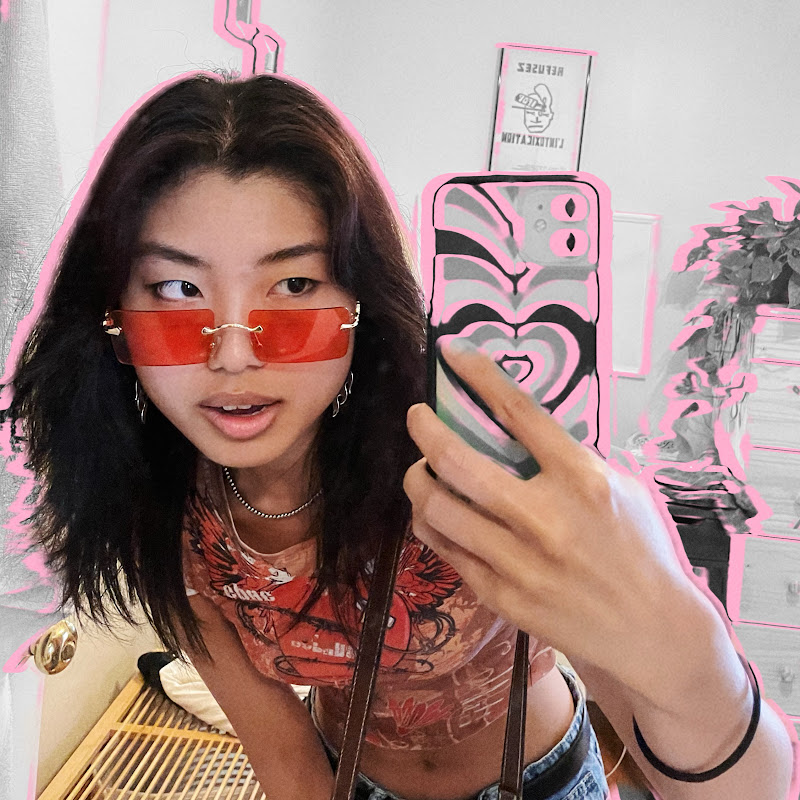
Emily Fan has managed a rare feat: surviving the transition from the six-second chaos of Vine to the long-form demands of YouTube without losing her edge. While most creators from her era either burned out or became 'lifestyle' vloggers selling a sanitized version of their lives, Emily leaned into a dry, almost academic absurdity.
Her channel, Not Even Emily, functions as a sort of cultural anthropology lab. She’ll spend twenty minutes dissecting 'Nice Guy' tropes or the evolution of Instagram aesthetics, and she does it with a level of self-awareness that makes the viewer feel like they're in on the joke. For older teens who are starting to realize that the internet is a bit of a performance, her content is a breath of fresh air.
The Mental Health Layer
One of the most compelling reasons to follow Emily is her work with OCD awareness. She doesn't treat it as a 'quirk' or a one-off 'very special episode' topic. It’s woven into her perspective, often supported by partnerships with actual therapy platforms like NOCD. It’s a model for how to talk about mental health online: it’s honest, it’s not for clout, and it’s genuinely helpful for viewers who might be struggling with similar issues.
The Parent's Reality Check
Despite the high quality, you have to look at the business side. Emily’s audience is clearly adult, and her sponsors reflect that. When a video starts with a discount code for an adult toy brand, that's your signal that this isn't for the middle-schooler in the house. The content itself is rarely 'explicit,' but the context is mature. If your teen is watching, it's a great opportunity to talk about how creators monetize their work and how to filter the social commentary she provides through their own experiences.