Night Zookeeper

Night Zookeeper

Website

WISE
94%

WISE Score

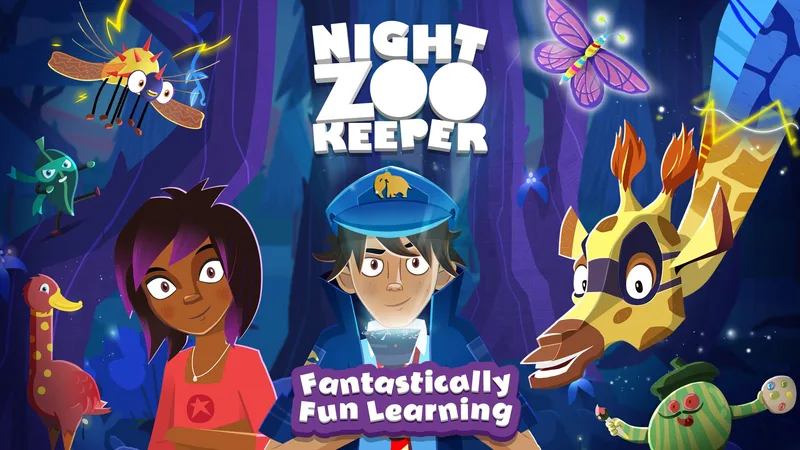
A gamified fantasy world where the only way to save magical animals is to actually sit down and write something.

Screenwise Verdict

If you have a kid who treats a blank page like a personal insult, Night Zookeeper is the secret weapon you've been looking for. It’s one of the rare educational platforms that actually understands how kids' brains work: they don't want to 'practice grammar,' they want to build a world.

By centering the experience on creativity—drawing, naming, and world-building—the writing becomes the tool they want to use rather than the chore they're forced to do. It’s safe, high-quality, and genuinely fun, making it one of the easiest 'yes' votes for a parent looking to turn screen time into something productive.

Age Fit

Perfect for the 7-11 sweet spot. Younger kids (6) might need help with the typing and interface, while 12-year-olds might start to find the 'magical zoo' aesthetic a bit young depending on their interests.

WISE Breakdown
Wholesome
92

The tone is consistently supportive and whimsical, focusing on creative empowerment rather than high-pressure competition. It models positive feedback loops through its 'tutor' system and peer-sharing community.

Imaginative
98

This is the platform's superpower. By asking kids to invent, draw, and then write about their own magical creatures, it bridges the gap between visual play and narrative storytelling better than almost any other literacy tool.

Safe
90

A closed, moderated ecosystem designed specifically for children. It uses anonymous usernames and lacks third-party ads or aggressive microtransactions. The only variable is the peer-written library, which is moderated.

Enriching
94

It successfully gamifies the 'boring' parts of writing (grammar, spelling, vocabulary) by tying them to character progression and world-building. It turns reluctant writers into enthusiastic creators.

Parent Info
✓

Why It Might Be Great

  • Cures the blank-page blues by giving kids a creative prompt (designing a creature) before asking them to write about it.
  • Real human feedback from tutors who read and comment on submissions, making the writing feel like it has a real audience beyond a computer algorithm.
  • Gamified grammar that actually works, using 'flashlight power' and animal rescues to incentivize spelling and punctuation drills.
  • Safe social interaction where kids can read stories from others in a moderated, anonymous environment, sparking new ideas.
⚠

What to Watch For

  • The subscription model is the main hurdle; it's an ongoing cost rather than a one-time purchase.
  • While it covers the basics well, it's often better as a supplement than a standalone, rigorous language arts curriculum.
  • Some kids might get more sucked into the drawing and 'zoo management' aspects than the actual writing—keep an eye on the dashboard to ensure the word count is actually moving.

Conversation Starters

  • "Which animal that you created today are you most proud of, and what's their backstory?"
  • "Did any of the tutors give you a suggestion that made your story better?"
  • "I saw you were reading a story by another 'Zookeeper' today—what was the coolest idea they had?"
  • "If you could bring one of your Night Zoo creatures into the real world for a day, which one would it be?"

Deep Dive

The 'Reluctant Writer' Antidote

Most educational software is just digital worksheets with a thin coat of paint. Night Zookeeper is different because it starts with the imagination. For a kid who struggles with writing, the hardest part is usually 'what do I write about?' This platform solves that by having them draw a monster or a magical animal first. Once they've invested time in the visual creation, they are naturally more willing to describe what it eats, where it lives, and how it behaves.

Human Feedback in a Digital World

One of the standout features is the team of 'tutors' who provide feedback. While AI has changed the landscape of instant feedback, having a human-moderated feel to the responses gives kids a sense of accountability and audience. They aren't just writing for a void; they're writing for the Night Zookeeper community.

Supplement vs. Curriculum

As noted by several homeschool reviewers, it’s important to manage expectations. It’s a fantastic tool for fluency, creativity, and SPaG (Spelling, Punctuation, and Grammar), but it might not provide the deep literary analysis or structured essay-writing required for older students. Think of it as the creative engine for your child's literacy, best paired with a steady diet of reading and perhaps more formal instruction as they hit those middle-school years.

What Parents Ask

Ask Anything

Get a personalized guide on any topic