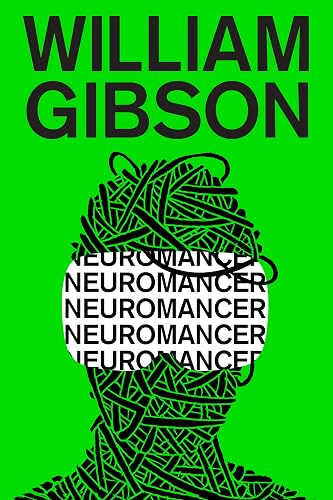
The "sink or swim" reading experience
If you’re coming to Neuromancer because your teen loved the neon-soaked world of Cyberpunk 2077 or the high-speed action of The Matrix, you need to manage expectations. This isn't an easy-access popcorn thriller. William Gibson famously doesn't explain what a deck or a simstim or the matrix is; he just throws you into the Chiba City gutters and expects you to keep up. It’s less like reading a standard novel and more like trying to decode a transmission from a future that’s already started to decay.
For a kid used to the clear, functional prose of modern YA or even hard sci-fi like The Martian, this will feel like hitting a wall. Gibson prioritizes the texture of the world over the clarity of the plot. You’ll find yourself three chapters deep before you truly understand what Case (the protagonist) is actually being hired to do. That’s not a bug; it’s the feature. It forces the reader to inhabit the same disoriented, drug-addled headspace as the characters.
High tech, low life, and payphones
There is a fascinating friction in reading this today. On one hand, Gibson predicted the internet (he coined the term cyberspace here) and the way AI might manipulate us long before most people had even seen a computer. On the other hand, this is a future where people still use payphones and carry around physical data chips.
If your teen is a tech geek, they might find the "retro" nature of this future hilarious or jarring. But the core of the book—the idea that technology doesn't solve our problems, it just makes them more complex—is more relevant now than it was in 1984. It captures a specific brand of cynicism that resonated then and feels prophetic now.
Where this fits in the sci-fi journey
If your teen is just starting to explore the genre, this is a terrible first stop. It’s the deep end of the pool. If they want something that moves faster and explains the world-building as it goes, you’re better off looking at our sci-fi books for teens guide for something a bit more accessible.
However, if they’ve already burned through the "easy" stuff and want to see where the DNA of modern sci-fi comes from, Neuromancer is the blueprint. It’s for the reader who values atmosphere and "cool" over a tidy ending. Molly Millions, with her surgically implanted mirror-shades and retractable claws, remains one of the most iconic characters in fiction for a reason. She’s the personification of the book’s "style over substance" ethos—except here, the style is the substance.
The "Matrix" connection
You can’t talk about this book without mentioning the films it inspired. Watching The Matrix after reading Neuromancer is an eye-opening experience. You’ll see the fingerprints everywhere: the "jacking in," the leather-clad mercenaries, the shadowy AI entities pulling the strings.
But where the movies often lean into the "chosen one" hero's journey, Neuromancer is much grittier. Case isn't a hero; he’s a burnt-out thief who just wants his nervous system fixed so he can get high on data again. It’s a noir story first and a sci-fi story second. If your kid prefers stories where the "good guys" are clearly defined, they’re going to be very frustrated by the moral vacuum of the Sprawl.