My Time At Portia

My Time At Portia

game

2019, Role-playing (RPG), Simulator

WISE
80%

WISE Score

79%

IGDB

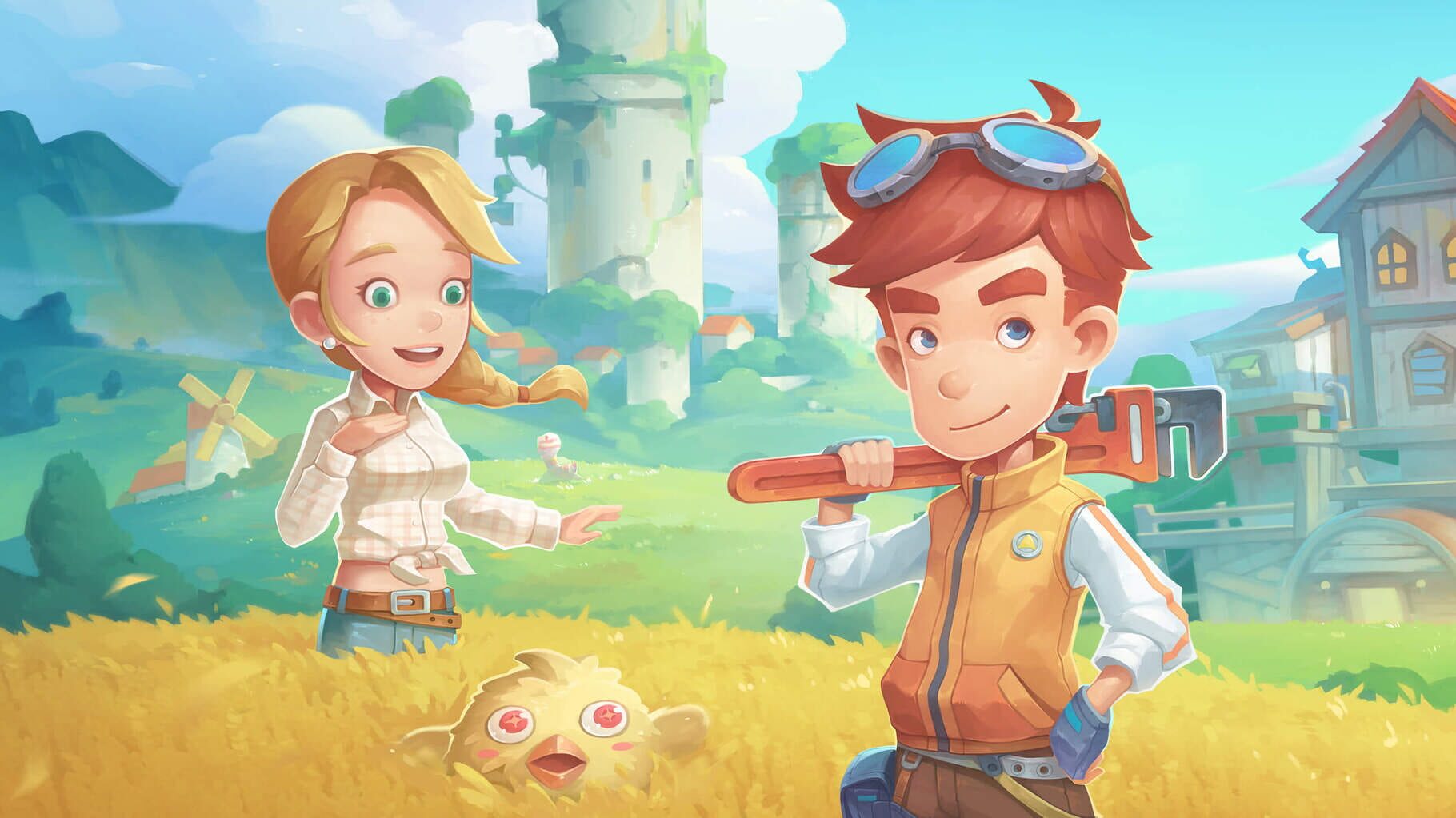
Stardew Valley meets post-apocalyptic crafting—restore your workshop, befriend quirky townsfolk, and build a life in a cozy wasteland.

Screenwise Verdict

My Time At Portia is essentially Stardew Valley's cheerful cousin with a light post-apocalyptic twist. It's a solid, wholesome crafting sim that rewards planning, creativity, and helping your community—genuinely good developmental stuff.

The big win here: no predatory monetization. You buy it, you own it, done. The gameplay loop is pleasantly goal-oriented rather than doom-scrolly, though simulation games can still be time-intensive by nature (worth monitoring, but not alarming).

The 'post-apocalyptic' label sounds scarier than it is—think whimsical ruins and mysterious relics, not zombies and trauma. There's light combat but it's cartoonish. The relationship/dating mechanics are sweet and age-appropriate.

Downside? It can feel grindy. Gather materials, craft thing, deliver thing, repeat. Kids who don't naturally vibe with simulation games will bounce off hard. And while it's from 2019 (not ancient), the genre has evolved—kids spoiled by newer life-sims might find it a bit clunky.

Bottom line: If your kid loved Stardew Valley or Animal Crossing and wants something similar with more crafting depth, this is a safe, enriching choice. Just set some screen-time boundaries because 'one more day' turns into three hours real fast.

Age Fit

Best for ages 8-14 who enjoy slower-paced, goal-oriented gameplay. Younger kids may struggle with the resource management complexity; older teens might find it too cutesy or repetitive unless they're already simulation-game fans.

WISE Breakdown
Wholesome
88

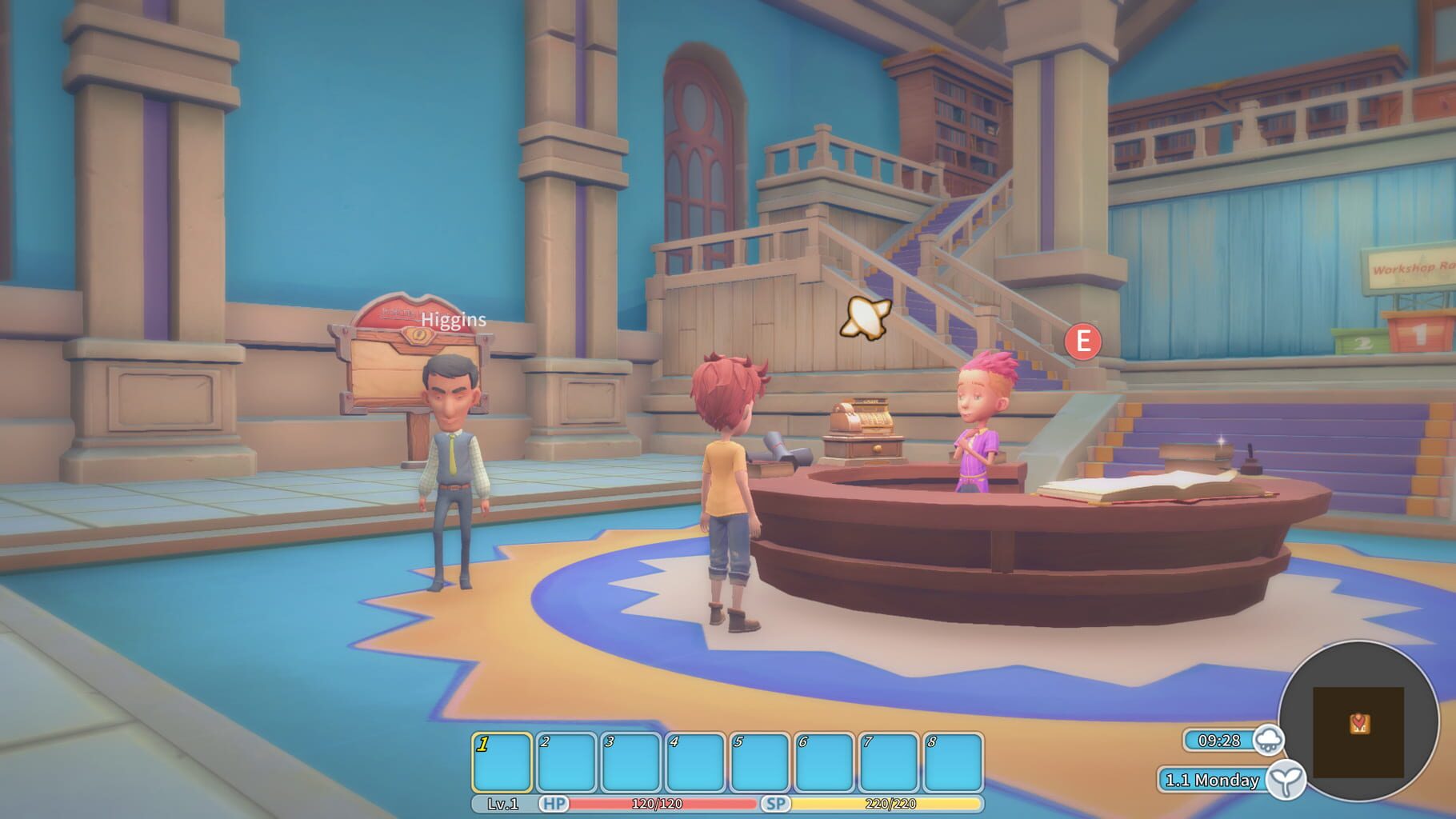
A life-simulation game centered on building, crafting, and forming friendships in a charming post-apocalyptic town. The core gameplay loop rewards cooperation, helping townspeople through commissions, and restoring community infrastructure. The tone is gentle and optimistic, with relationship-building mechanics that model kindness. No aggressive competition or mean-spirited content. The 'post-apocalyptic' setting is handled in a whimsical, non-threatening way—more Stardew Valley than The Last of Us.

Imaginative
82

Strong creative sandbox elements: players restore a workshop, craft items, design their farm/home, and explore ruins of an old civilization. The post-apocalyptic setting offers intriguing world-building curiosity—discovering relics and piecing together what came before. Multiple crafting paths, customization options, and open-ended gameplay encourage experimentation. However, it's more structured than pure creative sandboxes like Minecraft, following a commission-based progression system that can feel somewhat formulaic.

Safe
85

Users can interact online but there's no in-game chat, significantly reducing toxicity risk. No in-game purchases, loot boxes, or gacha mechanics—you buy the game once and that's it. The gameplay loop is goal-oriented rather than infinite-scroll addictive, with clear daily cycles and natural stopping points. Some light combat exists (fighting creatures in ruins) but it's cartoonish and non-graphic. The relationship/dating mechanics are wholesome and age-appropriate. Minor deduction for the time-investment nature of simulation games that can be mildly compulsive for susceptible players.

Enriching
76

Teaches resource management, planning, time allocation, and basic economics through the workshop commission system. Players learn to prioritize tasks, manage relationships, and balance multiple goals. The crafting system requires problem-solving and recipe experimentation. Relationship mechanics model social skills and the importance of community contribution. However, the gameplay is fairly repetitive—gather, craft, deliver, repeat—and doesn't offer deep narrative or ethical complexity. It's pleasant and mildly educational but not particularly profound. Entertainment value is solid for fans of the genre but can feel grindy.

Parent Info

Why It Might Be Great

  • Teaches resource management, planning, and time allocation through workshop commissions and crafting chains
  • Relationship mechanics reward kindness and community contribution—you advance by helping others
  • No predatory monetization: buy it once, own it forever, no pressure to spend more
  • Encourages creativity through crafting, farming, decorating, and exploration of mysterious ruins
  • Gentle pacing with natural stopping points (daily cycles) rather than infinite-scroll addiction

What to Watch For

  • Time-intensive gameplay—sessions can stretch long as kids pursue 'just one more commission'
  • Some light combat when exploring ruins (cartoonish, not graphic, but exists)
  • Can feel grindy and repetitive for kids who don't naturally enjoy simulation/crafting loops
  • Dating/romance mechanics are wholesome but present—good conversation opportunity about relationships

Conversation Starters

  • "What's your favorite thing to craft in your workshop? What's been the hardest to figure out?"
  • "Which townsperson do you like helping the most? Why do you think they need your help?"
  • "The game is set after some kind of disaster—what do you think happened to the old world?"
  • "How do you decide what to work on when you have lots of commissions? What helps you prioritize?"
  • "Is it more fun to focus on your farm, your workshop, or making friends? Why?"

Ask Anything

Get a personalized guide on any topic