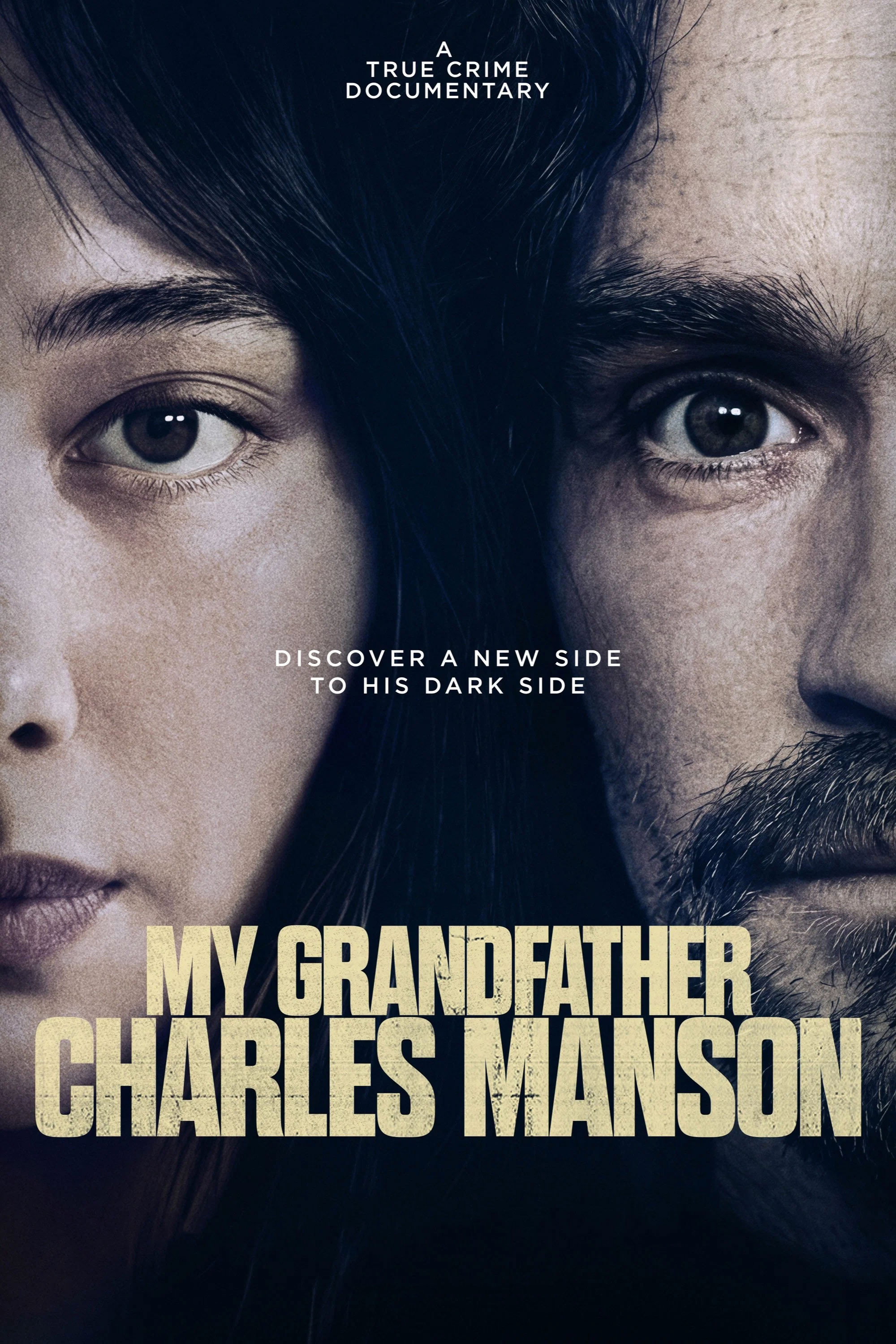
The Weight of the Name
Most true crime docs focus on the 'how' and the 'where' of the crime. My Grandfather Charles Manson is much more interested in the 'now.' By following Sophia, the filmmakers pivot away from the sensationalism of the 1969 murders and toward the quiet, lingering trauma of the generations that followed.
The most compelling part of this 2026 release is the use of Sophia's own DNA as a key to unlock closed records. It’s a modern twist on the genre that feels both scientific and deeply personal. You aren't just watching a history lesson; you're watching a woman realize that her father’s face—the face she loves—is a mirror of a man who represented pure chaos.
Not Your Average True Crime
Because this is a documentary, it lacks the 'entertainment' gloss of a dramatized series. It’s slow, methodical, and often uncomfortable. The 'unreliable narrators' mentioned in the synopsis are a highlight—seeing former Manson associates still struggling with their own versions of the truth reminds you how deep cult programming goes.
If your older teen is interested in psychology or forensics, this could be a great co-watch, but be ready to pause and talk. This isn't just about 'who did it'—we already know that. It’s about how we reckon with the fact that even the worst people in history had families, and those families are still here.