The "Board Game" Illusion
If you’re expecting a digital version of the game that caused three-hour-long arguments in your childhood living room, look elsewhere. Monopoly GO! is a "clicker" dressed in a tuxedo. You aren't managing a portfolio or negotiating trades. You are tapping a big red button to roll dice, moving an avatar around a circular board, and watching numbers go up. The strategy is nonexistent.
The game is built on a loop of "earning" and "building." You land on a property, get some cash, and use that cash to upgrade buildings in locations like Diagon Alley or Hogsmeade. Once a board is "complete," you move to the next one. It’s a progression treadmill designed to trigger a dopamine hit every few seconds. If your kid likes the feeling of "leveling up" without actually having to learn complex rules, this is their honeytrap.
The Wizarding World Hook
The 2023 release took the core mechanics and slapped a heavy coat of Harry Potter paint over them. This is the primary reason your kid is likely asking for it. Seeing Albus Dumbledore or Hermione Granger pop up as you "collect" properties is powerful bait for fans. The game leans hard into this, featuring Hogwarts-themed maps and stickers of iconic wizards.
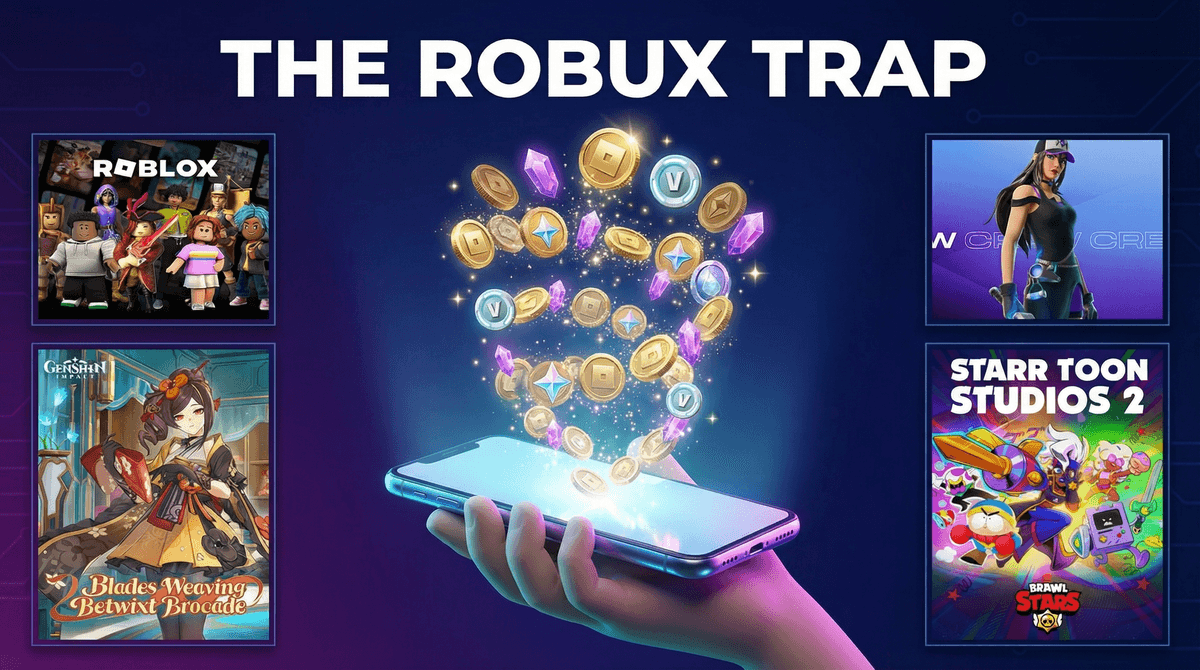
But the Harry Potter elements are mostly cosmetic. They don't change the fact that the game is essentially a high-speed lesson in unpacking in-app purchases and microtransactions. The "magical" items and wizard tokens are often locked behind limited-time events or sticker packs that are nearly impossible to finish without spending real money or aggressively recruiting friends to the app.
Social Engineering as Gameplay
The most friction-heavy part of Monopoly GO! isn't the cost; it's the social pressure. The game features "Shut Down" and "Bank Heist" mechanics where you literally attack your friends' boards to steal their coins. This isn't just a fun rivalry. It’s a calculated move to keep players checking the app. If your kid gets a notification that a classmate just "demolished" their Hogwarts castle, they’re going to open the app to retaliate.
The game also constantly begs for access to your contacts and Facebook account. It offers "free" rolls or stickers in exchange for inviting new players. This turns your kid into a mini-marketer for the developer. If you want to understand how this shift from paper money to digital pressure happened, our guide on Monopoly: From Family Game Night to Digital Dopamine breaks down the evolution.
Finding the Real Fun
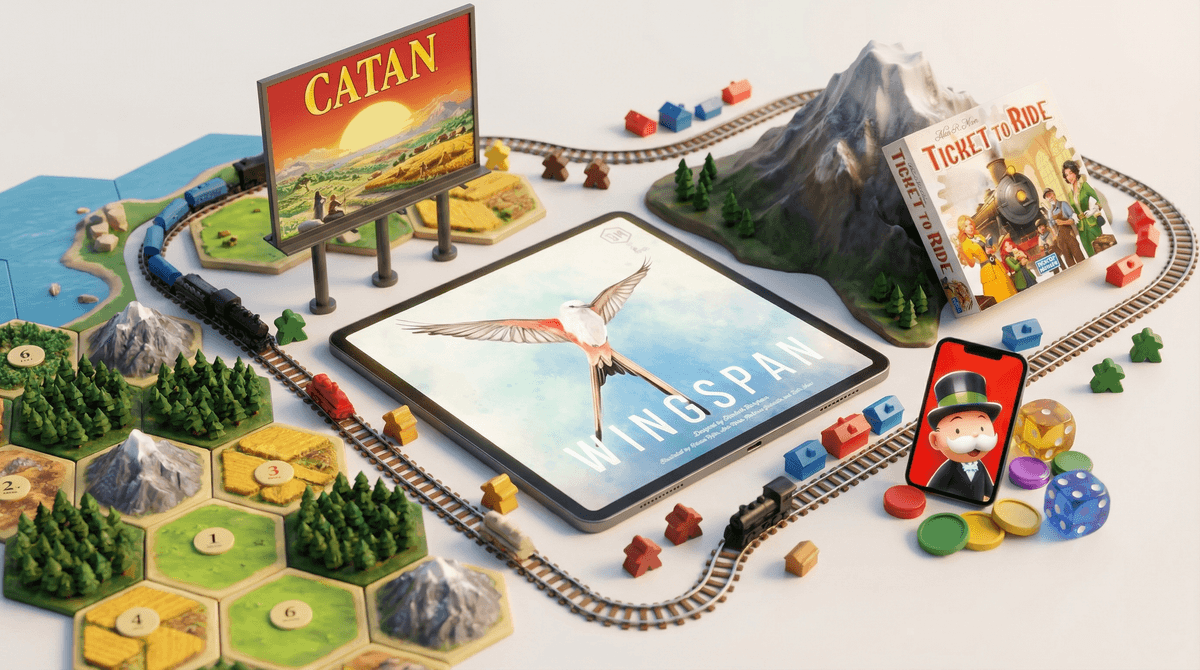
If your kid actually enjoys the strategy of board games, Monopoly GO! will eventually leave them bored or frustrated by the "pay-to-win" wall. For families who want the social experience without the predatory math, there are much better digital board games and apps that offer "Pass and Play" modes or one-time purchases instead of endless micro-fees.
If they stay on Monopoly GO!, treat it as a sandbox for financial literacy. Look at the "deals" the game offers together. Ask them why the game is giving them a "90% off" discount on a bundle of virtual dice. Once they see the mechanics behind the magic, the spell usually breaks.