The antidote to high-octane chaos
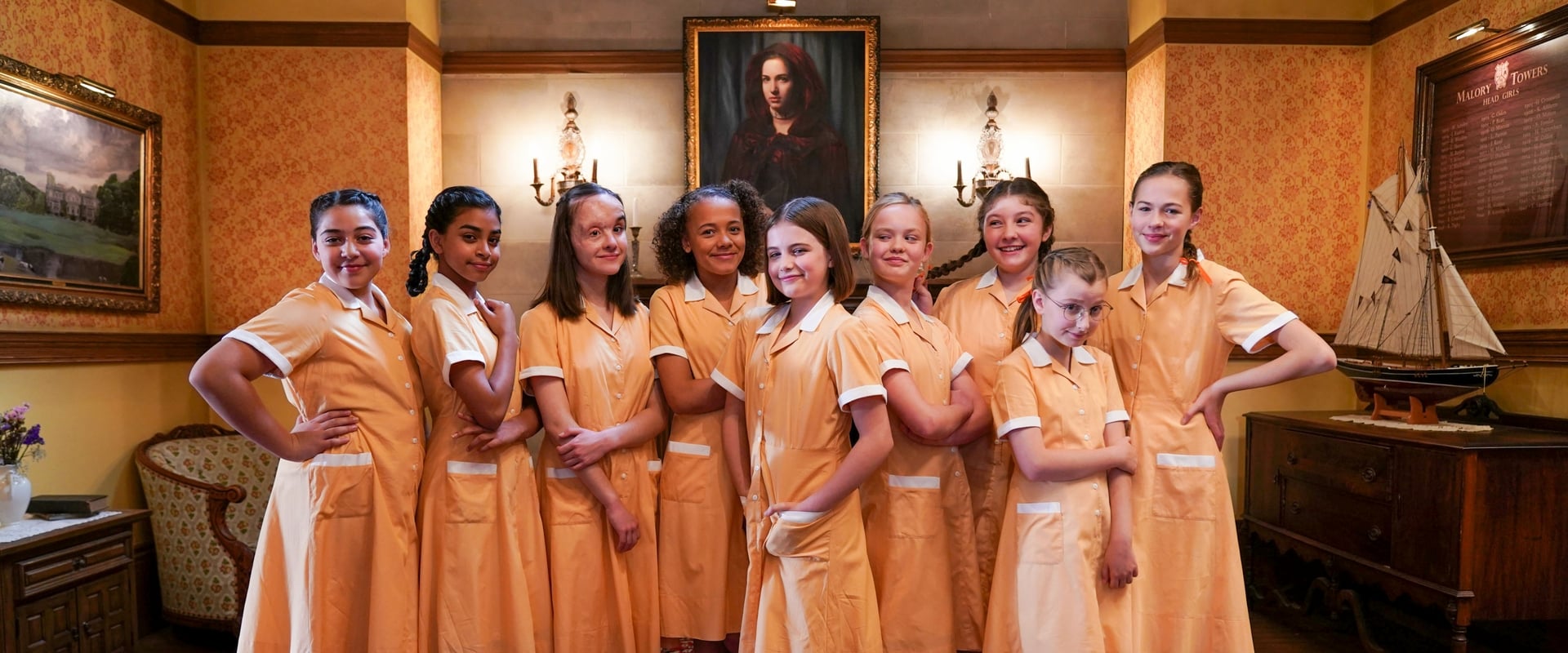
If your household is currently drowning in the neon-colored, high-decibel chaos of typical modern kids' programming, Malory Towers feels like a deep breath. It’s a period piece that manages to be engaging without being stuffy. While most shows for this age group rely on supernatural threats or world-ending stakes, this series finds its drama in the social politics of the 1940s.
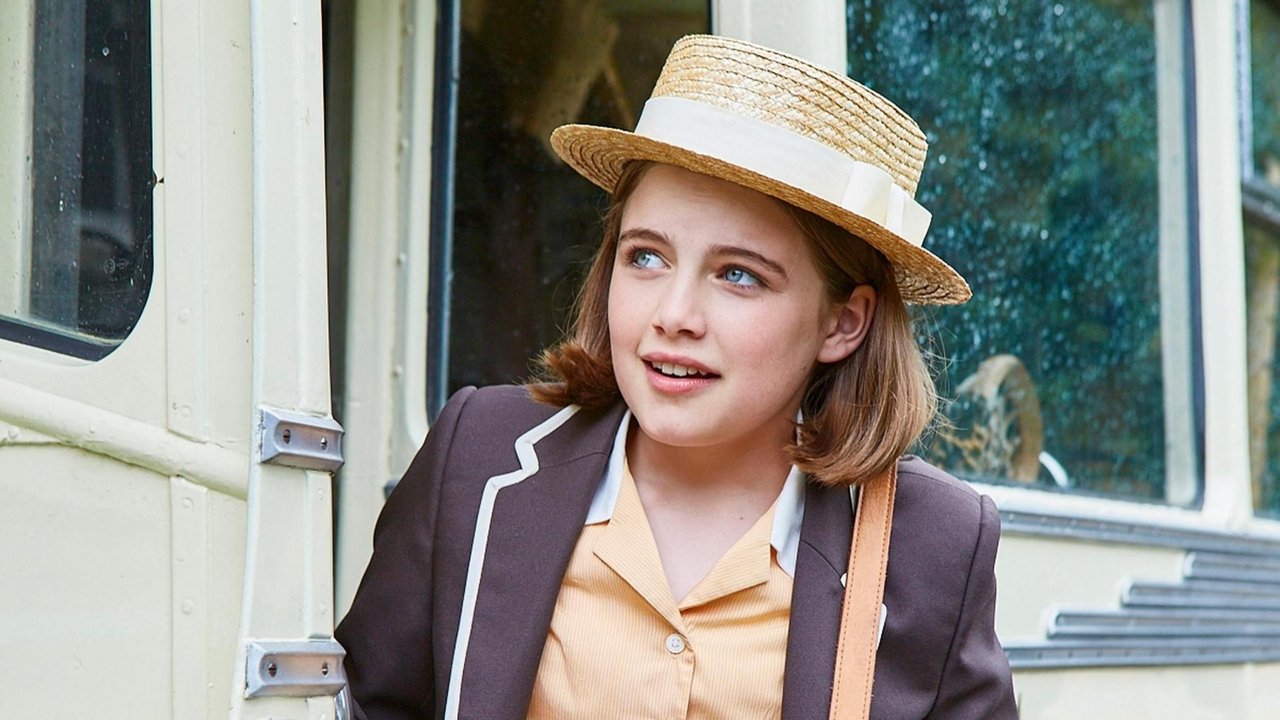
It turns out that 2026 kids find the threat of being "sent home in disgrace" just as high-stakes as a dragon attack. The show treats the internal lives of its characters with real respect. When Darrell Rivers struggles with her temper, it isn't played for laughs; it’s a genuine character flaw that she has to work through across multiple seasons. This groundedness makes it a great bridge for kids who have outgrown animated series but aren't quite ready for the heavy themes of teen dramas.
The "Muggle" version of boarding school
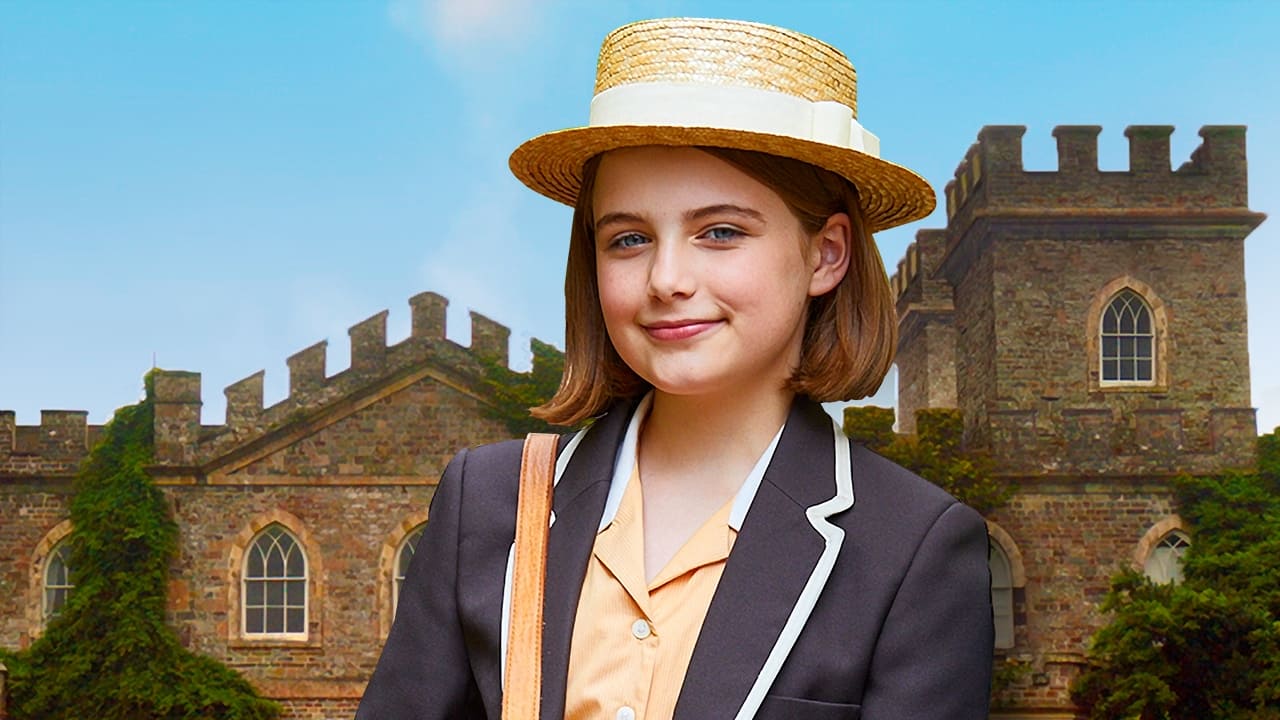
The most frequent comparison for Malory Towers is Harry Potter, and it’s an easy one to make. You have the four houses, the strict but fair headmistress, and the gorgeous, isolated castle setting. But removing the magic actually makes the interpersonal stuff sharper. Without wands to solve problems, the girls have to rely on wit, bravery, and occasionally, a well-timed prank.
If your kid enjoys the "found family" trope or the specific cozy-but-structured vibe of a boarding school, this is the gold standard. It’s part of a broader trend where international productions are often more willing to let kids just be kids, rather than mini-adults or caricatures. If you find your family gravitating toward these kinds of stories, you might want to explore why your kid’s next favorite sitcom might be international to find more gems that share this specific, earnest DNA.
Navigating the "Mean Girl" fatigue
Gwendoline Mary Lacey is the character your kids will talk about the most. She isn't a cartoon villain; she’s a classic "mean girl" whose insecurity drives her to be manipulative. For some kids, watching Gwen’s antics can be genuinely stressful. She doesn't always get her comeuppance immediately, which can be a point of friction if your viewer is particularly sensitive to injustice.
However, the show uses Gwendoline to model how to handle people who are "difficult" without sinking to their level. The conflict between Darrell and Gwen is the engine of the first few seasons, and it provides a great opening to talk about why people act out. It’s far more nuanced than the typical "bully gets dunked on" trope seen in most American sitcoms.
Knowing when to stop
With an IMDb score of 7.2, the consensus is generally high, but there is a notable shift as the series progresses. The first three seasons are the sweet spot, closely following the Enid Blyton source material and keeping the original cast together.
Once the show enters the later seasons (Seasons 4 through 6), there’s a natural transition as characters age out or move on. Some fans find these later years a bit of a letdown compared to the tight, focused storytelling of the beginning. If your kid starts to lose interest around the fourth season, don't feel the need to push through. The first arc is a complete and satisfying experience on its own.
How to watch it
Since it's available on Hoopla and BYUtv, it’s an easy "free" win if you have a library card or a streaming device. It’s also one of those rare shows that works as background viewing for parents. You don't have to pay close attention to follow the plot, but the scenery of the Cornish coast is so well-shot that you might find yourself looking up from your own screen more often than you expected.