Beyond the Textbook
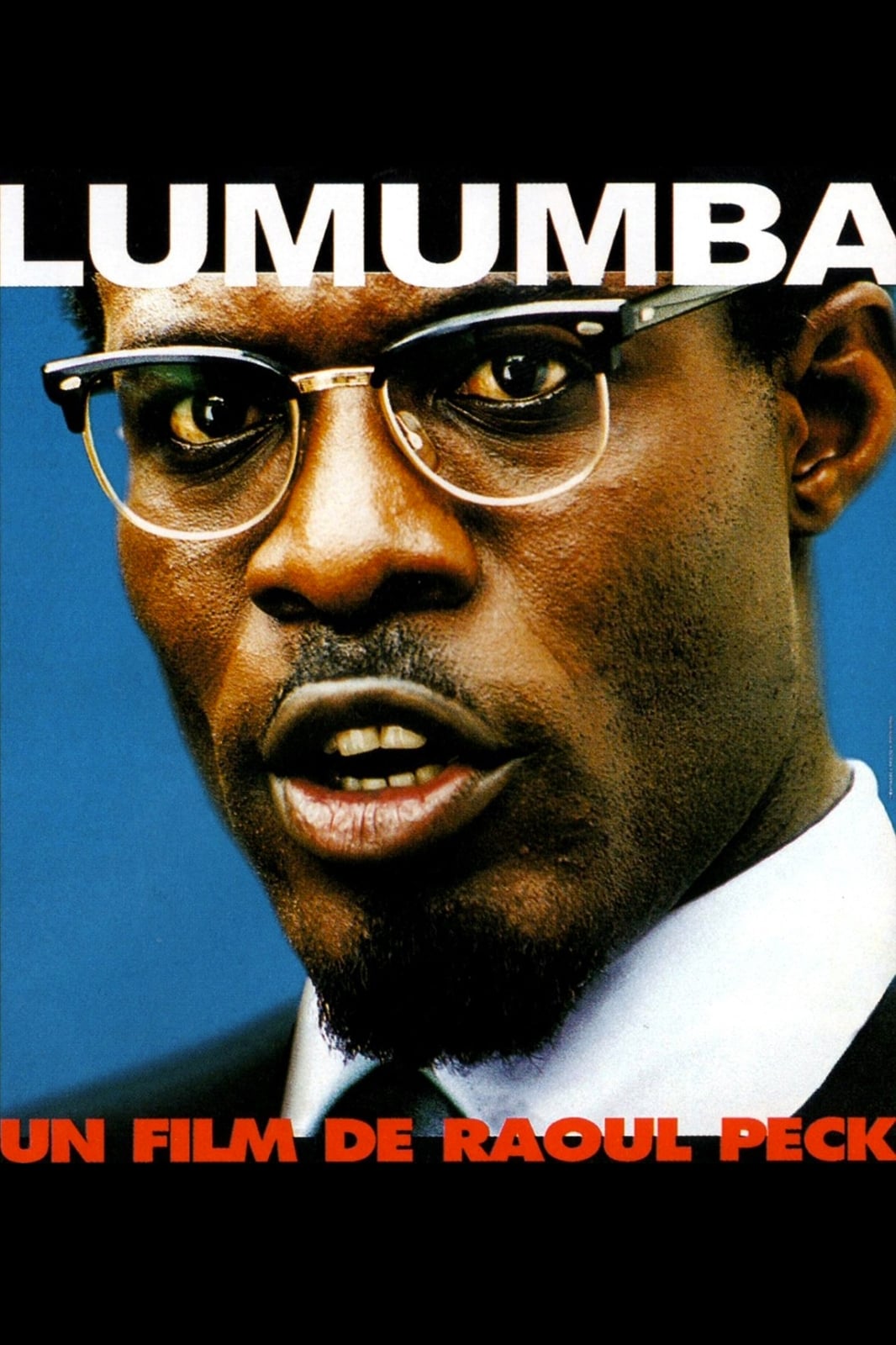
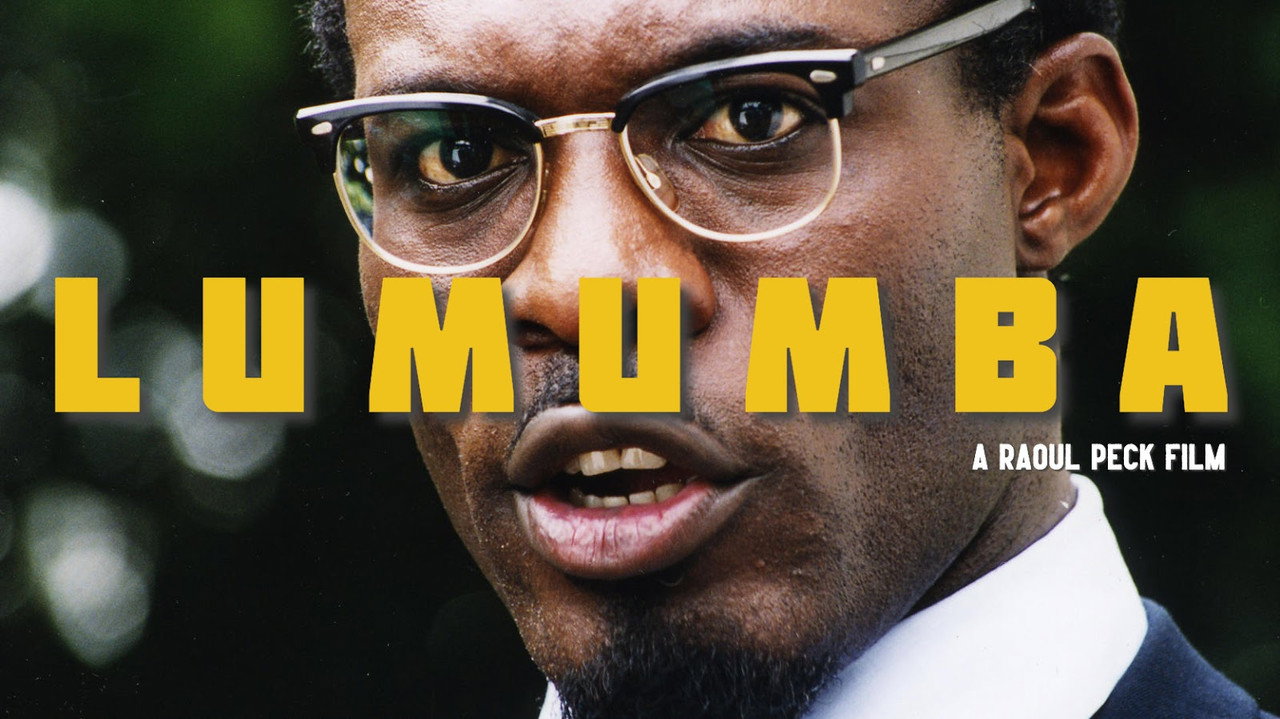
Most kids learn about the 1960s through the lens of the American Civil Rights movement or the Space Race. Lumumba forces a wider view, showing that the struggle for Black self-determination was a global, high-stakes game of chess where the losers didn't just lose elections—they lost their lives. Raoul Peck, who also directed the brilliant I Am Not Your Negro, brings a specific, Congolese-raised perspective to the table. He isn't interested in a Hollywood 'white savior' narrative; he puts the agency, and the tragedy, squarely on African shoulders.
The Power of Oratory
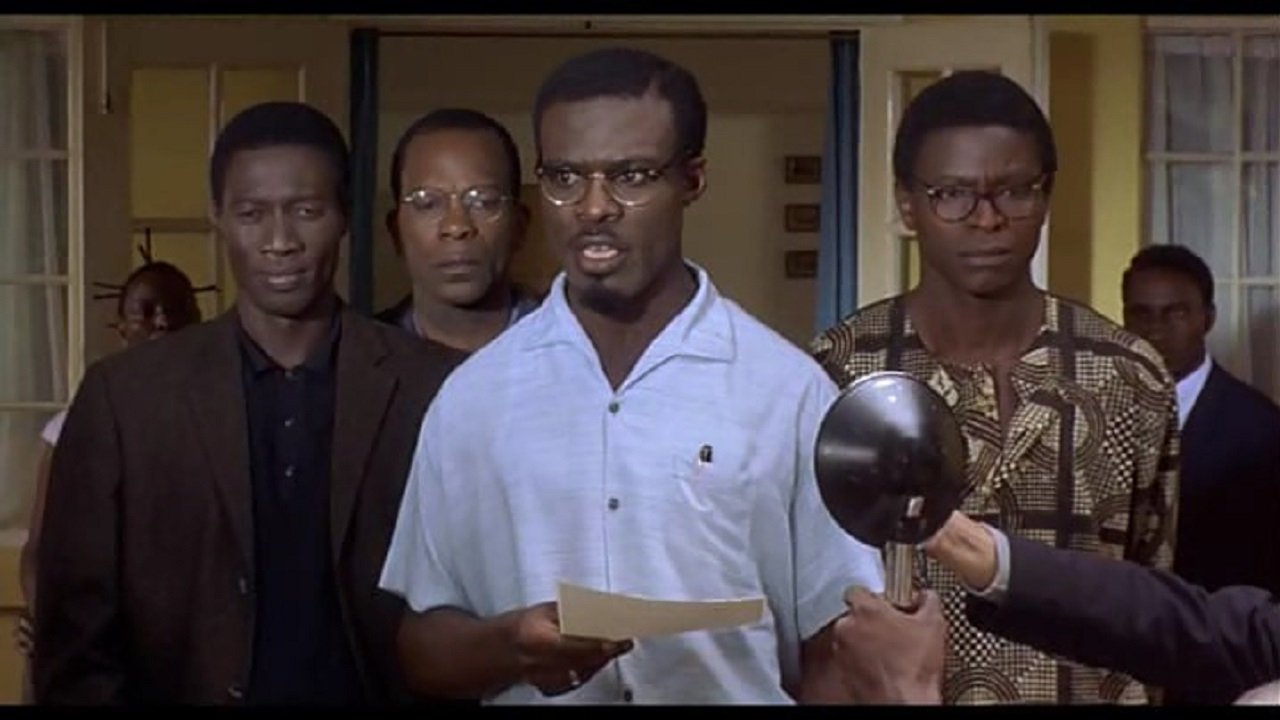
The film excels at showing how Lumumba used language as a weapon. His speeches aren't just dialogue; they are the engine of the revolution. Watching Eriq Ebouaney deliver these lines helps a modern audience understand why the CIA and Belgian authorities were so terrified of a man with no army. It’s a great case study in the power of the 'mail clerk with a flair for oratory.'
A Global Conspiracy
What makes the film particularly relevant in 2026 is its depiction of 'economic hegemony.' It shows that the end of colonial rule was often just the beginning of a different kind of control. For parents who want to talk about how global corporations and intelligence agencies influence foreign governments, this movie provides the perfect, albeit painful, jumping-off point. It’s a sophisticated look at how 'commercial and political interests' dovetail to maintain the status quo.
If your kid liked the political maneuvering in something like The Crown but wants a story with significantly higher stakes and a much sharper edge, Lumumba is the move. It’s available on Kanopy (which many families can access free through their library), making it an easy, high-quality addition to a homeschool curriculum or a weekend deep-dive.