Our reviews and ratings are 100% unbiased. Screenwise is a Bookshop.org affiliate and an Amazon Associate, so if you buy a book through one of our links, we may earn a commission. Bookshop.org purchases also support independent bookstores.
Screenwise Verdict
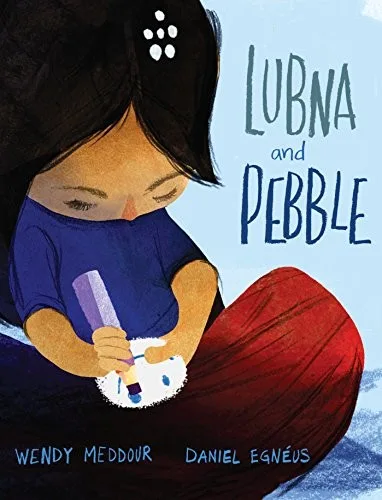
This isn't just a 'diversity' pick or a book about a crisis; it's a genuinely moving piece of storytelling. It tackles the refugee experience by zooming in on one tiny, relatable relationship: a girl and her pebble.
It’s the kind of book that sticks with you long after you close the cover. If you want to raise a kid who actually thinks about others and understands that kindness is a choice, this is the move. It avoids the 'educational' boredom trap by being visually gorgeous and emotionally honest.
Age Fit
Best for ages 4 to 9. It’s a perfect read-aloud for preschoolers and a thoughtful solo read for early elementary kids who are starting to notice the wider world.
WISE Breakdown
Wholesome
95
It models profound kindness, self-sacrifice, and emotional resilience in a difficult setting without being preachy.
Imaginative
88
The central conceit—a pebble that listens and smiles—perfectly captures the way children use imagination to cope with uncertainty.
Safe
98
It handles a heavy topic with extreme gentleness. There is no on-page violence or trauma, just the quiet reality of living in tents.
Enriching
97
It is a masterclass in empathy, introducing the concept of refugees through a lens a child can actually grasp: friendship and sharing.
Parent Info
✓
Why It Might Be Great
Empathy masterclass that helps kids understand the refugee experience without a heavy-handed lecture.
Stunning visuals by Daniel Egnéus that make the 'World of Tents' feel both real and dreamlike.
Emotional intelligence is the focus here; it validates that it is okay to be scared and find comfort in small things.
Universal themes of friendship and sacrifice make it relevant to any kid, regardless of their background.
⚠
What to Watch For
The emotional weight is real. If your kid is in a sensitive phase, expect some big questions about why Lubna doesn't have a house or why the boy is 'lost.'
Poignant ending that might require a little extra cuddle time; it's a 'happy' ending, but it comes with the bittersweet reality of Lubna's situation.
Conversation Starters
"Why do you think Lubna gave Pebble away if she loved him so much?"
"If you had to move and could only take one tiny thing in your pocket, what would it be?"
"What are some ways we can make a new person feel welcome, just like Lubna did for the boy?"
"Why was the pebble such a good friend to Lubna when she was scared?"