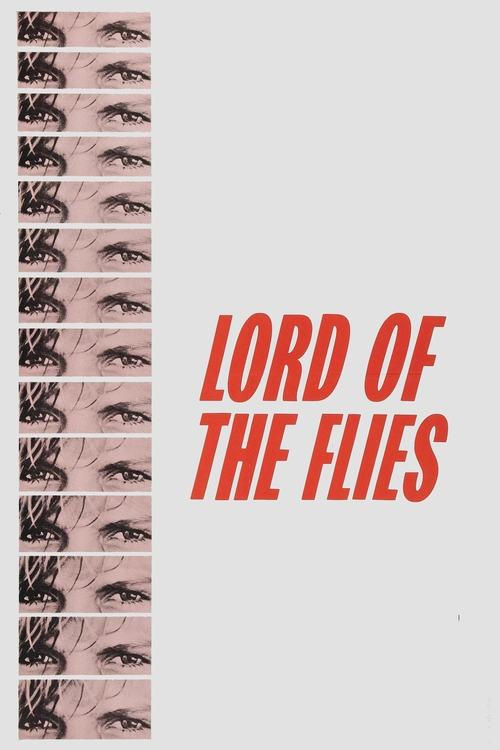
The Critical Disconnect
Critics on Rotten Tomatoes give this a staggering 92%, but the audience score sits much lower at 63%. That gap tells you everything you need to know. Critics appreciate the stark, 1963 cinematography and the way the director captured the raw discomfort of the source material. For a modern audience, however, that "raw discomfort" often just feels tedious.
The film doesn't rely on jump scares or flashy gore. Instead, it uses a slow, rhythmic buildup of dread. If your kid is used to the high-octane pacing of the 2026 fantasy TV glut, they are going to find the first forty minutes of this movie agonizingly slow. It’s a black-and-white survival story where the "monsters" are just children in tattered school uniforms, which is a hard sell for a generation raised on CGI dragons and cinematic universes.
Beyond the Hunger Games
It’s easy to pitch this as the "original Hunger Games," but that’s a bit of a bait-and-switch. In modern survival stories, there is usually a clear hero fighting an oppressive system. In this 92-minute descent into chaos, there is no "system" to fight. The boys are the system.
The friction for a young viewer isn't just the lack of color; it’s the lack of hope. Watching Ralph lose control of the group while Jack recruits the "hunters" into a proto-fascist tribe is genuinely upsetting. It’s a psychological thriller that asks if humans are naturally violent when the adults disappear. If you have a teen who is deeply interested in social hierarchies or even the mechanics of online influence, this movie functions as a brutal case study in how a "brand" (like the hunters) can quickly overpower a "utility" (like the signal fire).
The "English Class" Syndrome
We have to talk about the grainy, 1960s aesthetic. For a teen, this film often carries the "assigned reading" stank. It looks like school. It feels like a lecture. However, there is a specific kind of kid who will actually vibe with this: the one who likes to see how the gears of a story turn.
The symbolism is heavy-handed. The conch shell represents order, the glasses represent intellect, and the pig's head represents the "Beast." It’s all very obvious. For a student trying to learn how to analyze media, that's actually a plus. It’s a training-wheels movie for literary analysis. If they can get past the dated audio and the stiff acting of the younger kids, they’ll find a story that is surprisingly mean-spirited and unapologetic. It doesn't pull its punches, and that honesty is the one thing that still feels modern today.