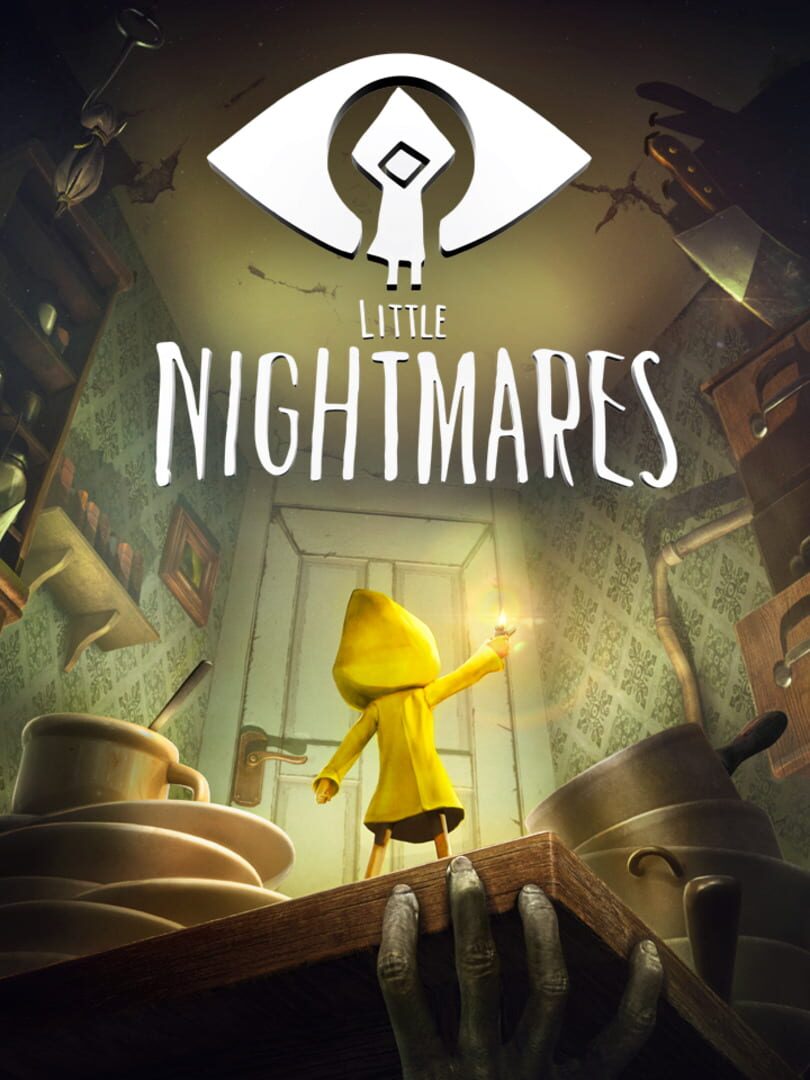
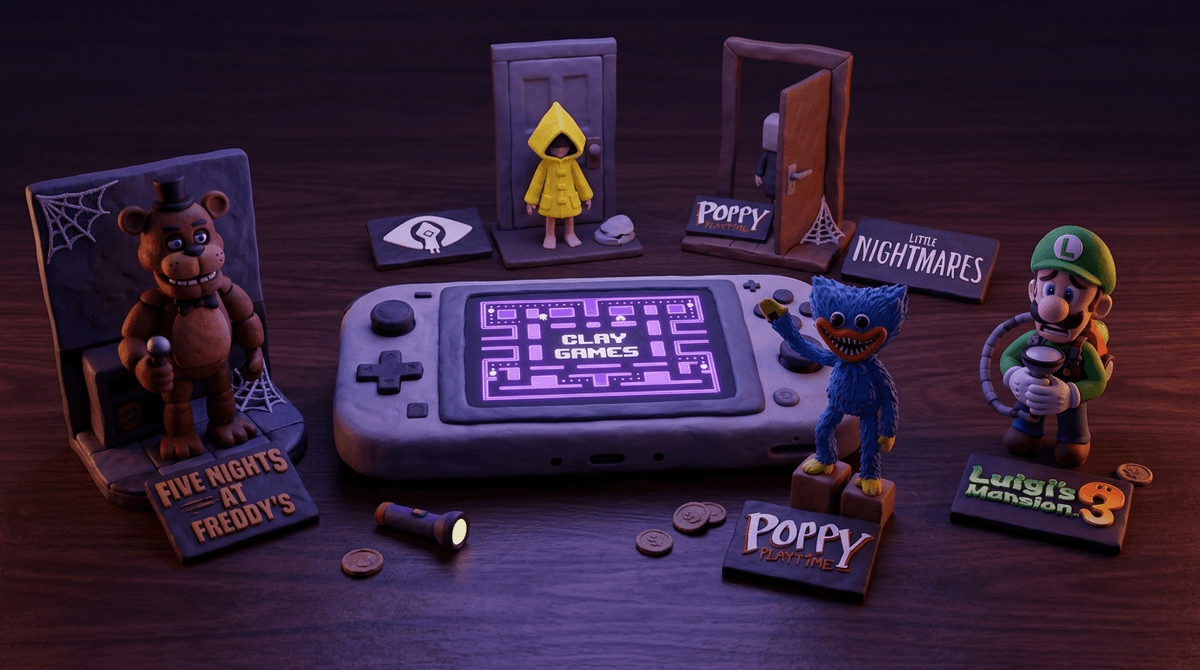
If your kid is currently obsessed with the viral, loud, jumpscare-heavy world of "mascot horror," Little Nightmares is the sophisticated antidote. It’s the difference between a cheap haunted house at a local carnival and a high-end psychological thriller. While games like Five Nights at Freddy's rely on sudden noises to make you twitch, this game relies on an oppressive, sinking feeling in your gut that doesn't go away until you turn the console off.
The "Grotesque" over the Gory
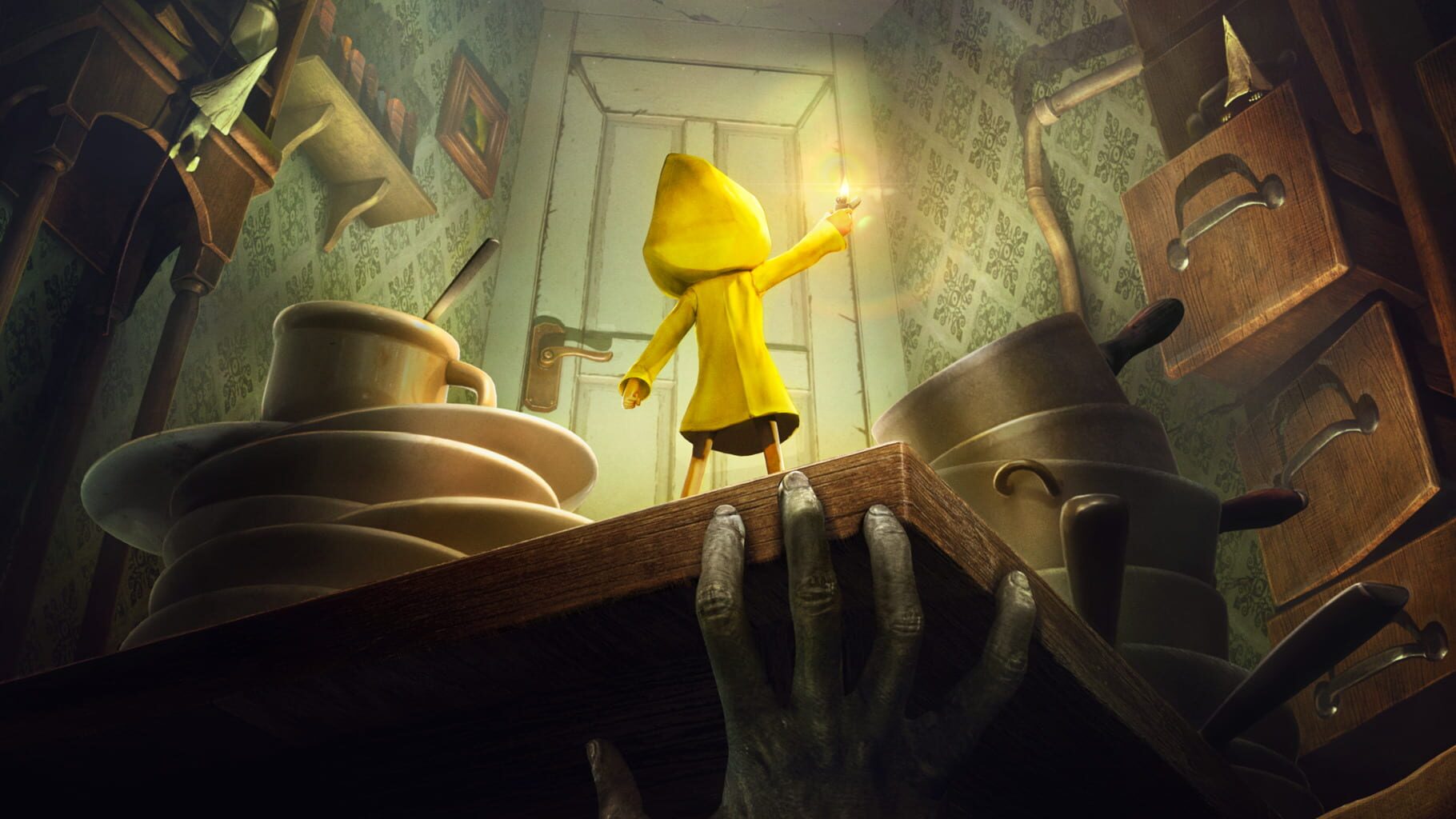
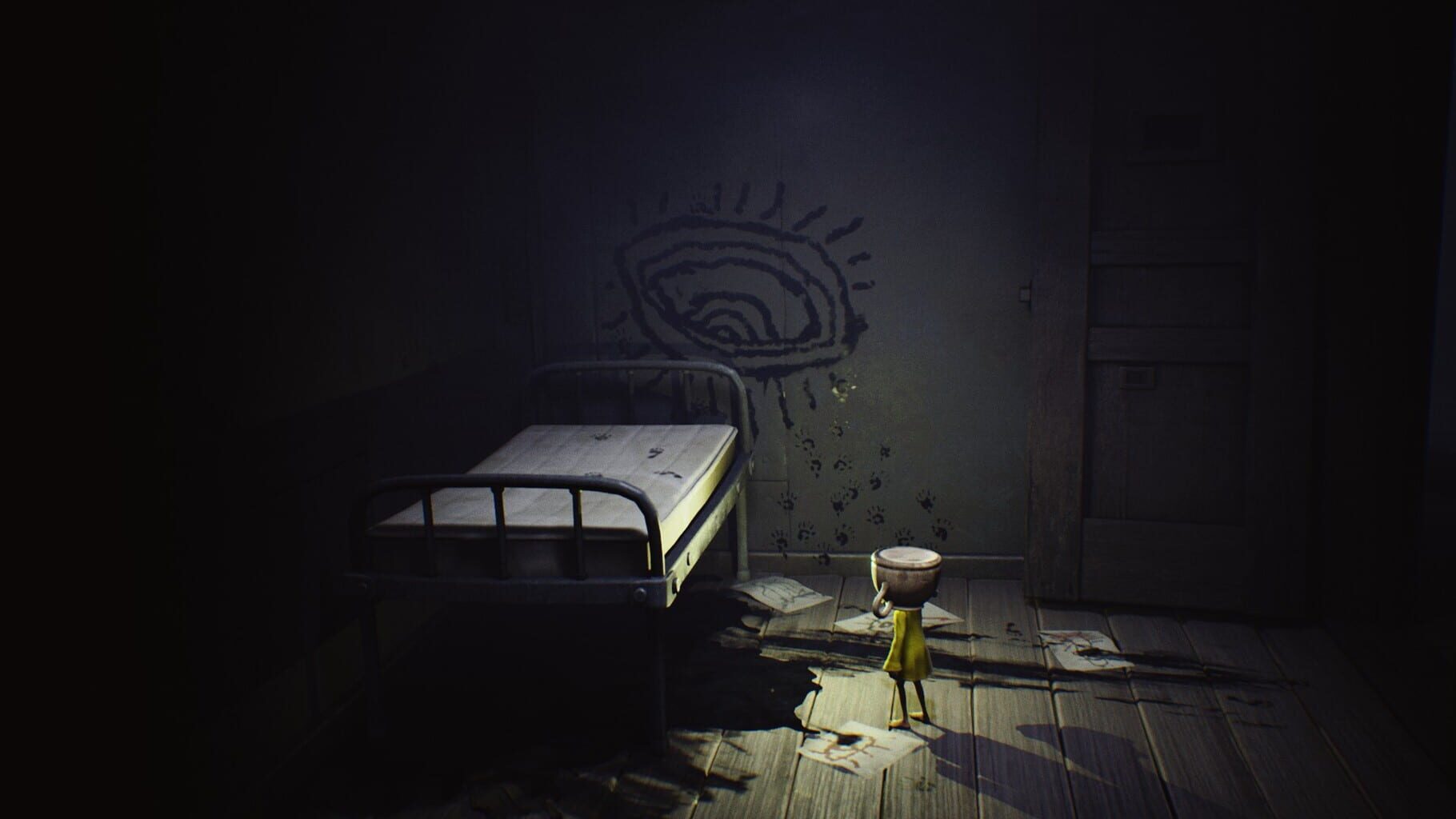
This isn't a game about blood or guts. It’s a game about distortion. Everything in the Maw—the giant, rusting iron vessel where the game takes place—is built for people much larger and more misshapen than our protagonist, Six. You’ll spend most of your time hiding under tables or climbing up oversized bookshelves while creatures like the long-armed Janitor or the bloated Twin Chefs hunt for you.
The horror here is deeply physical but rarely explicit. It’s in the way the chefs chop meat with frantic energy, or the way the entire ship lurches and tilts, reminding you that you’re trapped in the middle of the ocean. If you’re trying to figure out when kids are ready for scary content, look at how they handle "creepy" rather than "violent." If they can appreciate the dark whimsy of a Henry Selick movie, they’ll likely find the art style here mesmerizing rather than traumatizing.
The Hunger Mechanic
The most interesting—and potentially disturbing—part of the game is Six’s recurring hunger pangs. Every so often, the screen dims, the audio bass kicks in, and Six doubled over in pain. You have to find food to continue. These moments start off innocent enough (finding a piece of bread), but they get progressively darker as the game nears its climax.
It’s a brilliant way to build empathy for a character who never speaks, but it also introduces some heavy themes about survival and what we’re willing to do to stay alive. For parents who want to use media as a springboard for deeper talks, this is a perfect entry point for when kids are ready for darker themes in fiction. The ending is a genuine "wait, what just happened?" moment that will have most teens heading straight to YouTube to watch lore explainers.
A Lesson in Failing Up
Mechanically, Little Nightmares is a trial-and-error game. You will die. A lot. You’ll misjudge a jump, get snatched out of the shadows, or get cornered by a chef because you didn't see the loose floorboard.
Because the game is short and the checkpoints are relatively generous, it’s a great environment for processing fear and failure through gaming. It requires patience and observation rather than lightning-fast reflexes. You have to study the monsters’ patterns, wait for the right moment, and then bolt. It’s stressful, yes, but it’s the kind of "fun-stress" that builds a weird sort of resilience. Just be prepared for some minor controller-gripping frustration during the later, more frantic chase sequences.