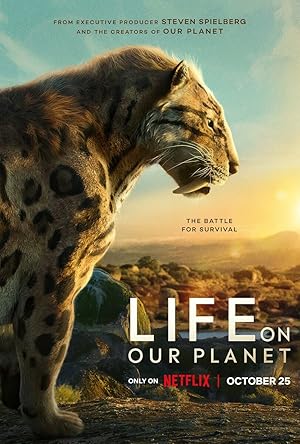

Life on Our Planet

Life on Our Planet

show

TV-PG, 2023, Documentary

WISE
76%

WISE Score

50

Avg. Tomatometer

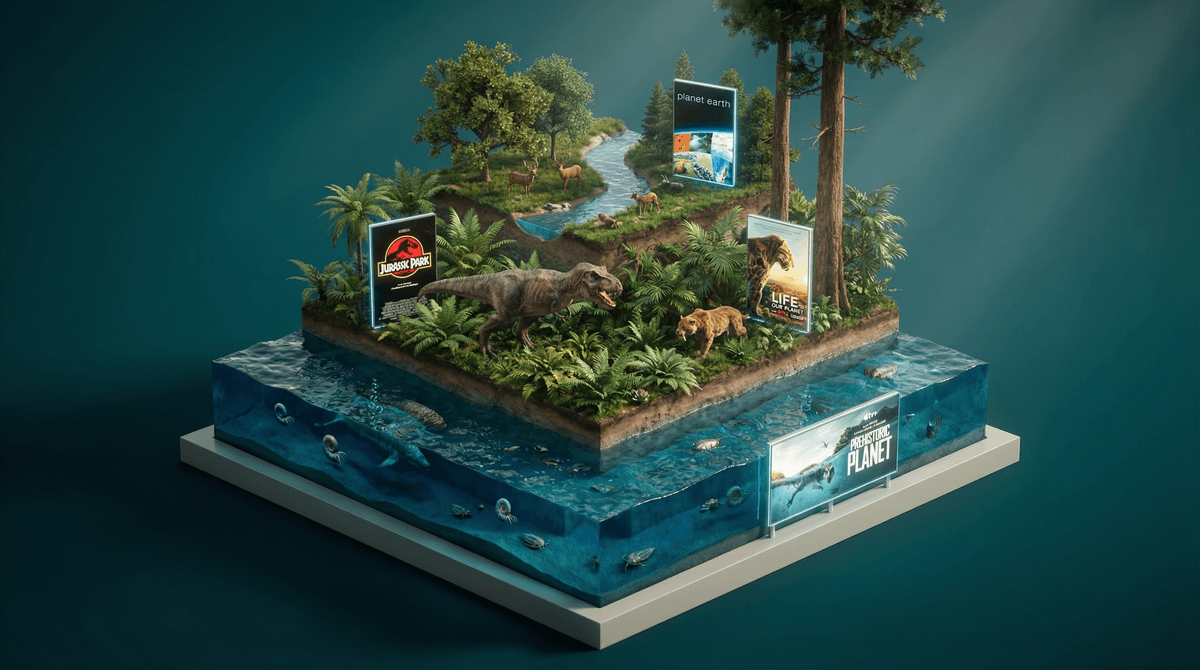
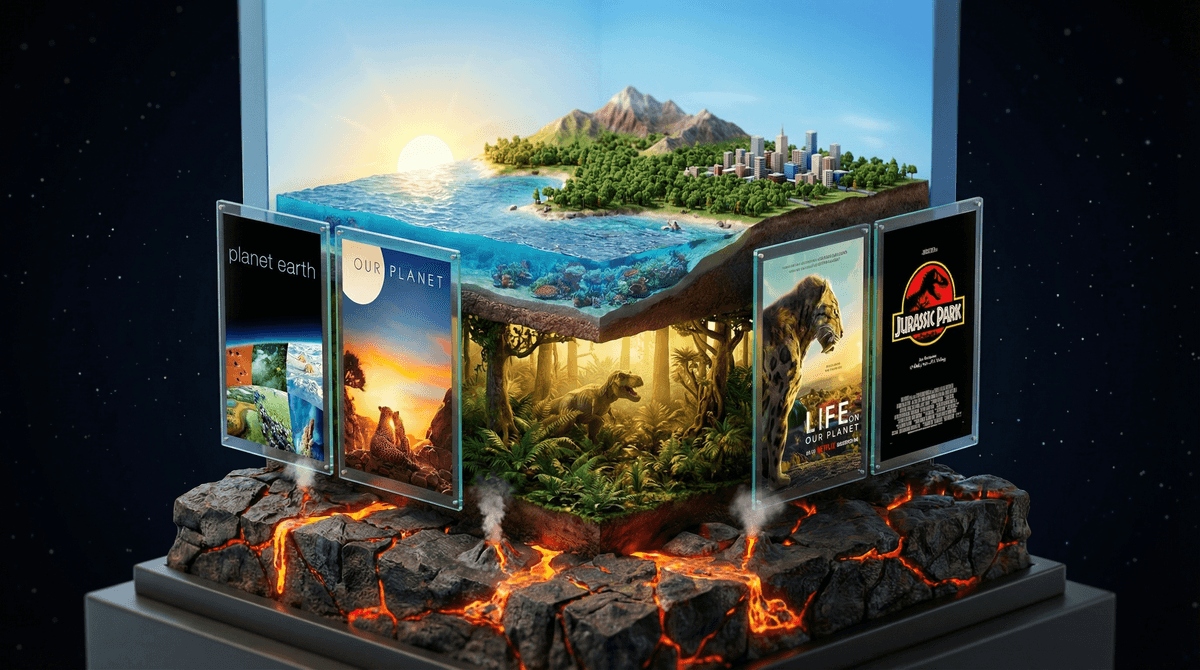
Four billion years of evolution in gorgeous CGI—basically Jurassic Park meets Planet Earth, minus the theme park disaster.

IMDb8.1
RT Critics50%
MC55
Common Sense Media
Where to Watch
Loading streaming options...
Screenwise Verdict

This is solid educational entertainment for the right kid—the one who checks out paleontology books from the library and can name more dinosaurs than Pokémon. Spielberg's team delivers the visual spectacle, and the scope is genuinely impressive.

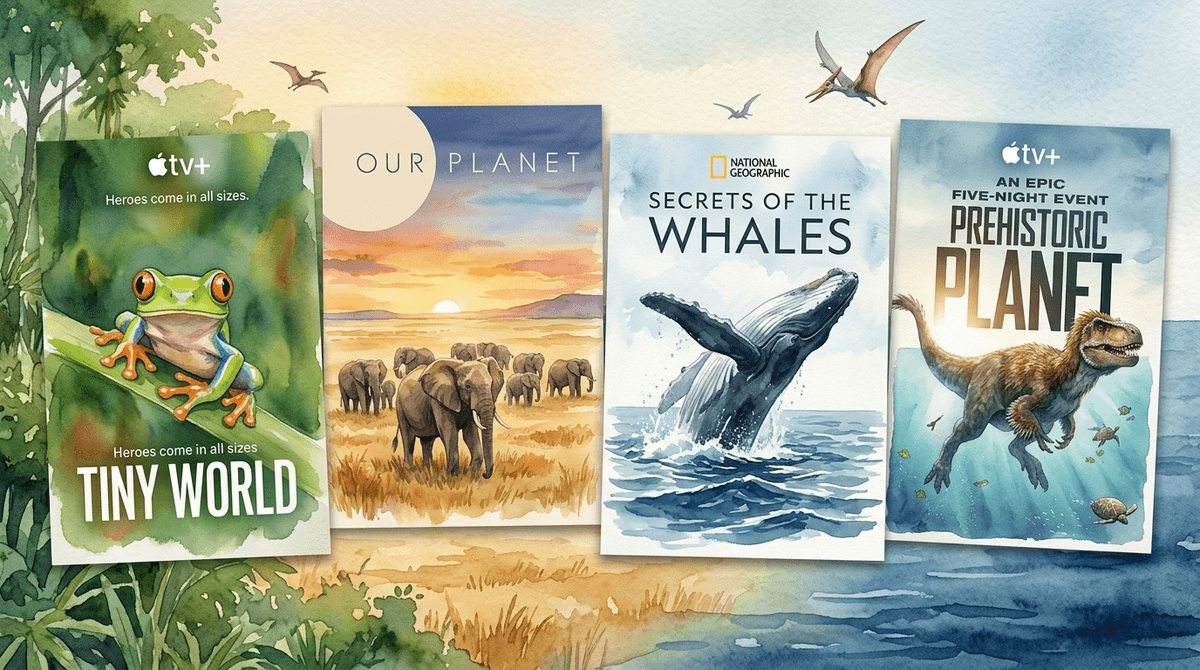
That said, the 50% critic score tells a story: it's not reinventing the nature documentary wheel. If your kid loved Our Planet or Prehistoric Planet, this is more of that. If they thought those were boring, this won't convert them.

The animal death scenes are handled documentarily—not graphic, but present. It's the circle of life, Simba-style, but for four billion years. Most 8+ kids who choose to watch this will be fine; it's self-selecting content.

Bottom line: Great for budding scientists, potentially tedious for everyone else. Know your audience.
Age Fit

Best for ages 8-14 who are genuinely into dinosaurs, evolution, or nature documentaries. Younger kids may find it slow; older teens might find it too basic unless they're science nerds.

WISE Breakdown
Wholesome
72

Nature documentary with educational focus and Morgan Freeman narration. Shows the cycle of life honestly but not gratuitously. Some predator-prey sequences and extinction events are inherent to the subject matter but presented in documentary context. Pacing is measured and contemplative rather than chaotic, though may feel slow for some viewers.

Imaginative
78

Covers four billion years of evolutionary history with cutting-edge CGI bringing extinct creatures to life. Spielberg's involvement suggests high production values. The scope is genuinely awe-inspiring—from single-celled organisms to complex ecosystems. However, it's a documentary format rather than interactive or creativity-prompting content, so imagination is sparked through observation rather than participation.

Safe
68

Common Sense Media rates it for ages 8+, suggesting some intense nature content. As a nature documentary, it will include animal deaths, predation, and mass extinction events—these aren't gratuitous but are central to evolutionary storytelling. No human violence, sex, or profanity. The 'surprise' factor is moderate: parents should expect typical nature documentary content including animals dying, but presented scientifically rather than sensationally. Kids mode available on Netflix.

Enriching
85

This is peak educational content—evolutionary biology, paleontology, geology, and ecology wrapped in compelling storytelling. From the Spielberg/Our Planet team, so production quality should be exceptional. IMDb 8.1 and Letterboxd 3.8/5 suggest strong viewer engagement. Teaches deep time, adaptation, extinction, and interconnectedness of life. Genuine learning opportunities about Earth's history and the scientific process.

Parent Info

Why It Might Be Great

  • Spielberg-backed production means stunning visuals bringing dinosaurs and extinct creatures to life with modern CGI
  • Covers the entire sweep of life on Earth—genuinely mind-expanding scope that contextualizes humanity's tiny place in deep time
  • Strong educational value for kids interested in paleontology, evolution, or natural history without being textbook-dry
  • IMDb 8.1 suggests it lands with audiences even if critics were split—the spectacle works

What to Watch For

  • Nature documentary realism means animals die on screen—predation, mass extinctions, survival of the fittest shown honestly
  • Pacing is documentary-slow, not Marvel-fast; kids without genuine interest in the subject may zone out
  • Critics were lukewarm (50% RT) while audiences liked it more—suggests it's more spectacle than groundbreaking storytelling
  • Eight episodes means commitment; not a quick watch

Conversation Starters

  • "Which extinct animal would you most want to see in real life? Why do you think it went extinct?"
  • "How do you think scientists figure out what dinosaurs looked like if we only have bones?"
  • "If humans went extinct tomorrow, what animal do you think would become the next 'smart' species?"
  • "What's crazier—that life started as single cells or that it took billions of years to get to us?"

Ask Anything

Get a personalized guide on any topic

Related Guides