A Human Lens on the West Bank
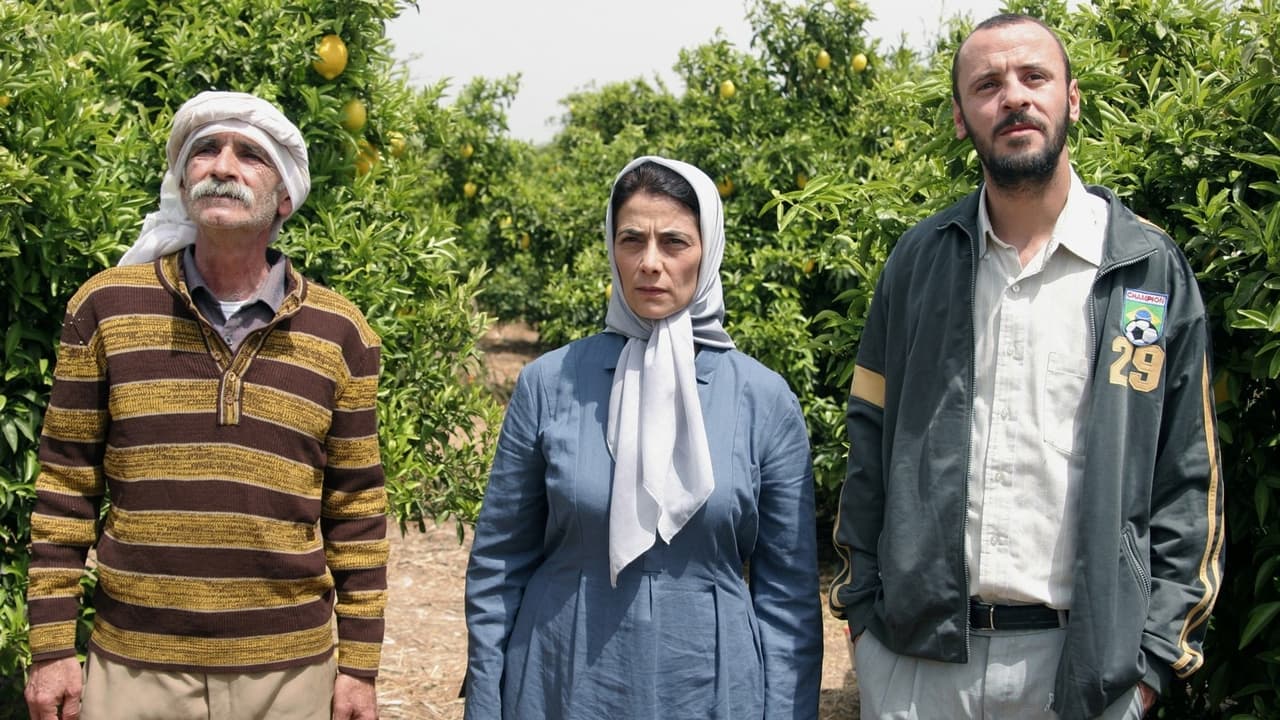
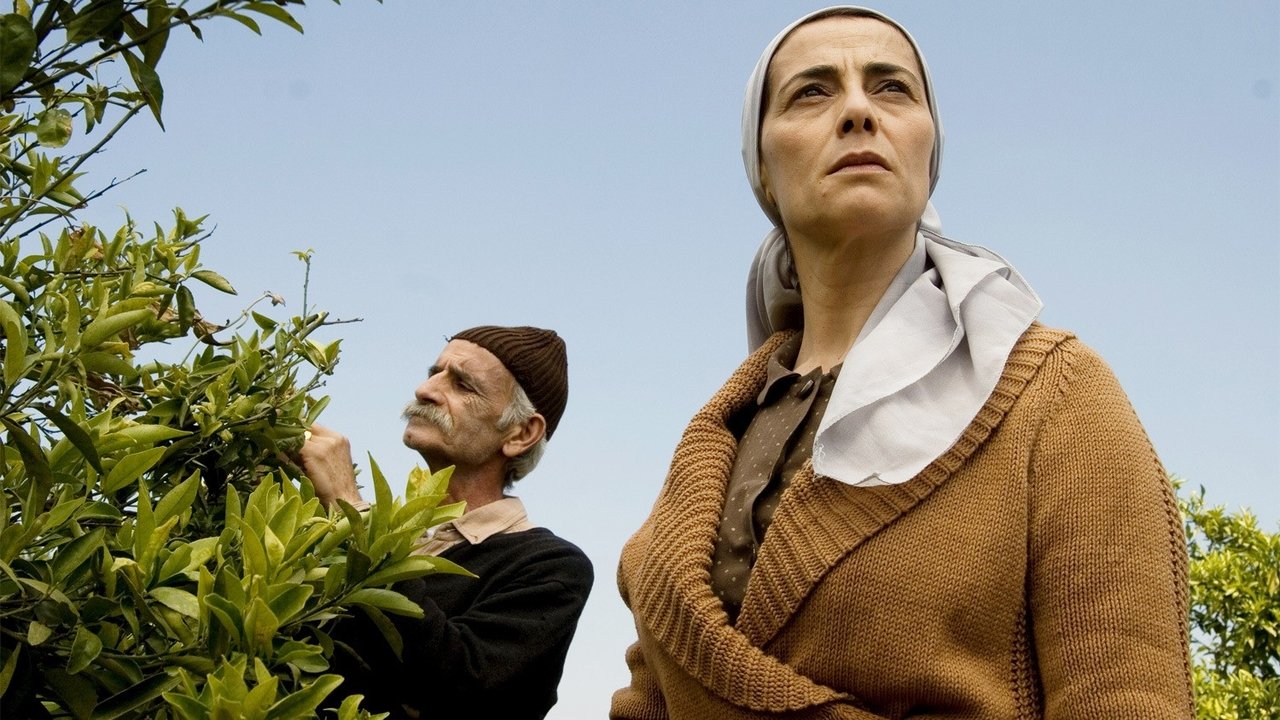
Released in 2008, Lemon Tree remains incredibly relevant because it refuses to engage in the loud, polarized shouting matches that usually define the conversation around the Middle East. Instead, it focuses on a widow, her grove, and the literal fence built between her and her new neighbor—the Israeli Defense Minister.
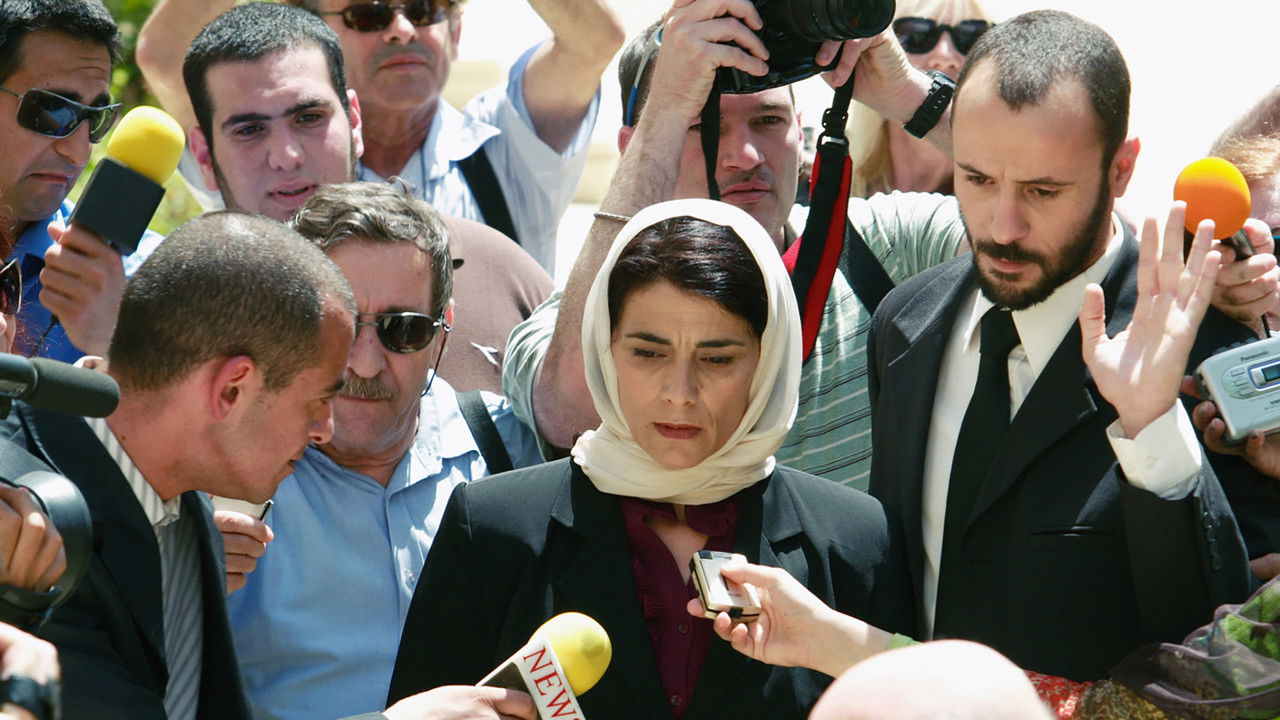
What makes the film work for a family setting is its focus on personal agency. Salma Zidane isn't a political activist; she's a woman who wants to keep her heritage alive. Her battle through the legal system—supported by a young, ambitious lawyer—is a classic underdog story, but it’s played with such realism that the outcome feels genuinely uncertain.
Why it's worth the subtitles
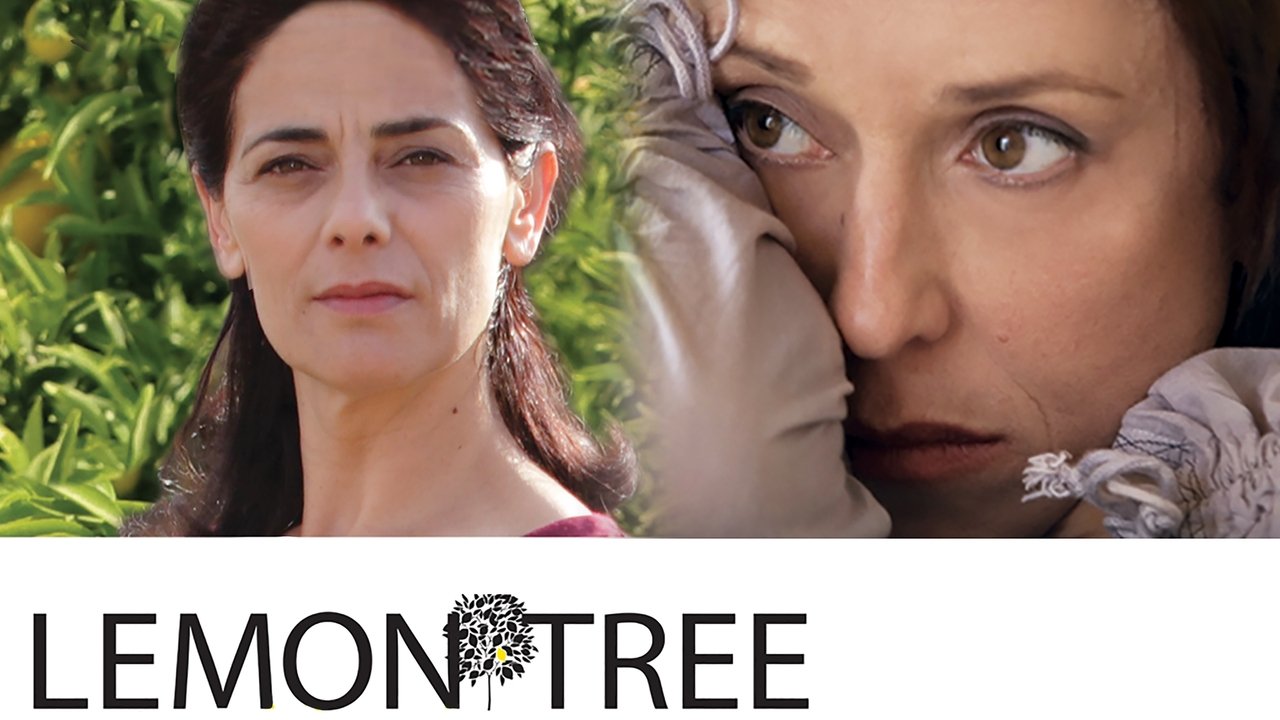
If your kid is used to the high-octane pacing of modern streaming, Lemon Tree will be a culture shock. It's a 'slow' movie. But that slowness is purposeful. It forces the viewer to sit with the characters in their isolation. The relationship between Salma and the Minister's wife, Mira, is particularly poignant; it’s a silent bond between two women who are both, in different ways, trapped by the roles their society and husbands have cast them in.
How to watch it with a teen
Don't just drop this on the TV and walk away. This is a 'co-engagement' essential. You might want to have a map of the region handy or a quick five-minute primer on the Green Line. The film doesn't do a lot of hand-holding regarding the history, which is a strength, but it means a younger viewer might get lost in the 'why' of the security concerns.
Ultimately, Lemon Tree is about how hard it is to see the human being standing right in front of you when a system tells you they are a threat. It’s a lesson in dignity that sticks long after the credits roll.