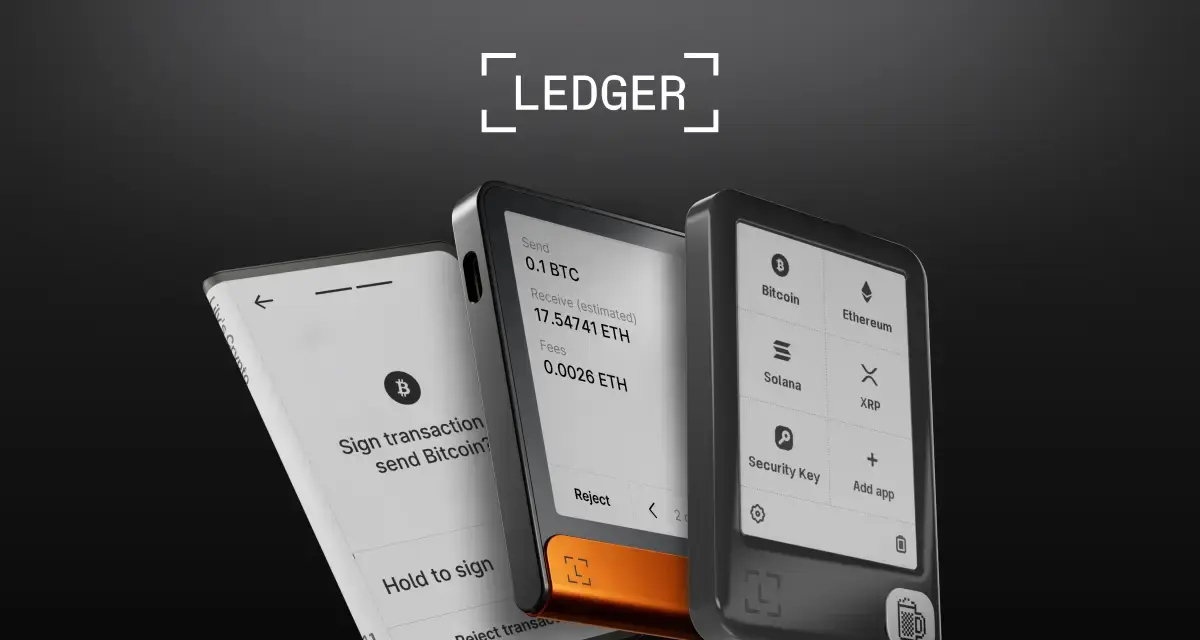
A Relic of the Early Crypto Days
Released in 2014, the Ledger Nano was one of the first devices to make 'cold storage' accessible to people who weren't computer science Ph.Ds. At the time, it was revolutionary because it used a secure element—the same kind of chip in your credit card—to protect Bitcoin keys from being swiped by malware on a laptop.
But time hasn't been kind to the original Nano's user experience. Unlike modern hardware wallets that have OLED screens to show you exactly where your money is going, this version requires you to use a physical 'security card' (basically a cheat sheet) to verify transactions. In the fast-moving world of 2026, this feels incredibly primitive and, frankly, a bit risky for a beginner who might get confused by the multi-step process.
The Educational Angle
If your teen is obsessed with Web3 or digital finance, a hardware wallet is the ultimate 'final boss' of digital literacy. It forces a level of intentionality that 'tap-to-pay' apps just don't. You have to secure a physical object, protect a written recovery phrase, and understand that there is no customer support line to call if you mess up. It is the opposite of 'brain rot'—it's high-consequence, high-focus technical management.
That said, the 2014 Nano is a poor choice for that lesson. The lack of an on-device screen means you are still partially trusting your computer's monitor, which defeats half the purpose of having a hardware wallet in the first place. If you're going to do the 'self-custody' lesson, do it with hardware that meets modern standards.