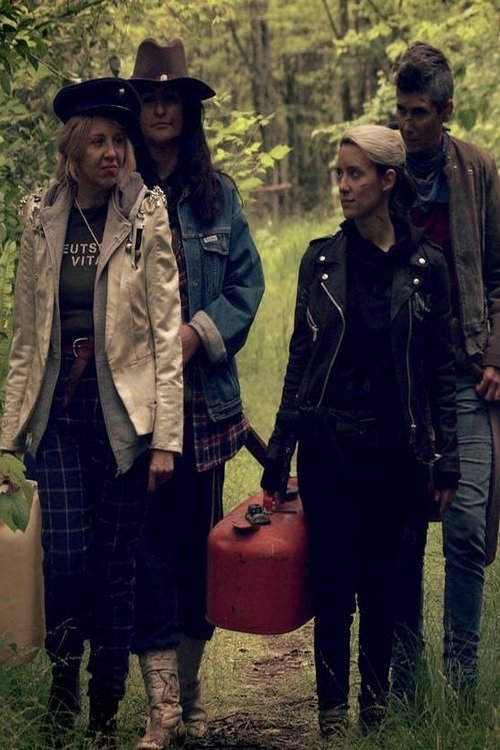
The apocalypse in Late Baby isn't a spectacle of CGI monsters or high-speed chases; it’s a claustrophobic, dry examination of what happens when the world stops and you're still stuck with your friends. If you’re coming to this expecting the survivalist grit of mainstream zombie shows, you’ll be disappointed. This is much closer to a filmed stage play: imagine a survival story where the characters are cynical Argentine comedians with zero patience for the patriarchy.
The "Day After" the Day After
Most end-of-the-world media focuses on the immediate chaos. Late Baby skips the explosions and lands squarely in the "now what?" phase. The tension doesn't come from external threats but from the friction of four distinct personalities—Male, Charo, Ana, and Vanesa—trying to navigate a reality where the old rules are gone, but social dynamics remain. It’s a minimalist approach that works because the writing is so sharp.
The show was born in the world of Argentine web series, where budgets are thin but creative freedom is massive. Malena Pichot and her collaborators are known for a specific brand of humor. It’s blunt and political, showing zero interest in making the characters "likable" in the traditional sense. They are messy, frustrated, and often mean. If your teen is used to the polished, heroic vibe of big-budget streaming content, this will be a culture shock.
Why the 16+ Rating Matters
The age recommendation isn't about blood or jump scares. It’s about the vibe. The humor is sophisticated and relies heavily on understanding the social structures the characters are deconstructing. A younger viewer will likely find it boring because nothing "happens" in the way they expect an adventure story to move. There are no maps to follow and no cures to find.
For an older teen who is starting to get into indie film or international comedy, this is a great entry point. It’s short and punchy, providing a look at a comedy scene in Buenos Aires that rarely gets this kind of spotlight elsewhere. It’s the kind of show you watch when you want to see people talking about the absurdity of life, even when life as we know it has technically ended.
Comparisons and Fit
If you’ve spent any time watching Broad City or Search Party, the DNA here will feel familiar. It’s that same energy of "friends against the world," but with the stakes cranked up to a survival level. It’s less about how to find food and more about how to find a reason to keep talking to each other when there's no internet to distract you.
Don't expect a satisfying conclusion or a hero’s journey. Expect a series of vignettes that feel like a fever dream of social commentary. It’s a niche pick, but for the right viewer—someone who prefers a biting monologue over a fight scene—it’s a standout.