The "PJ Masks" Pivot
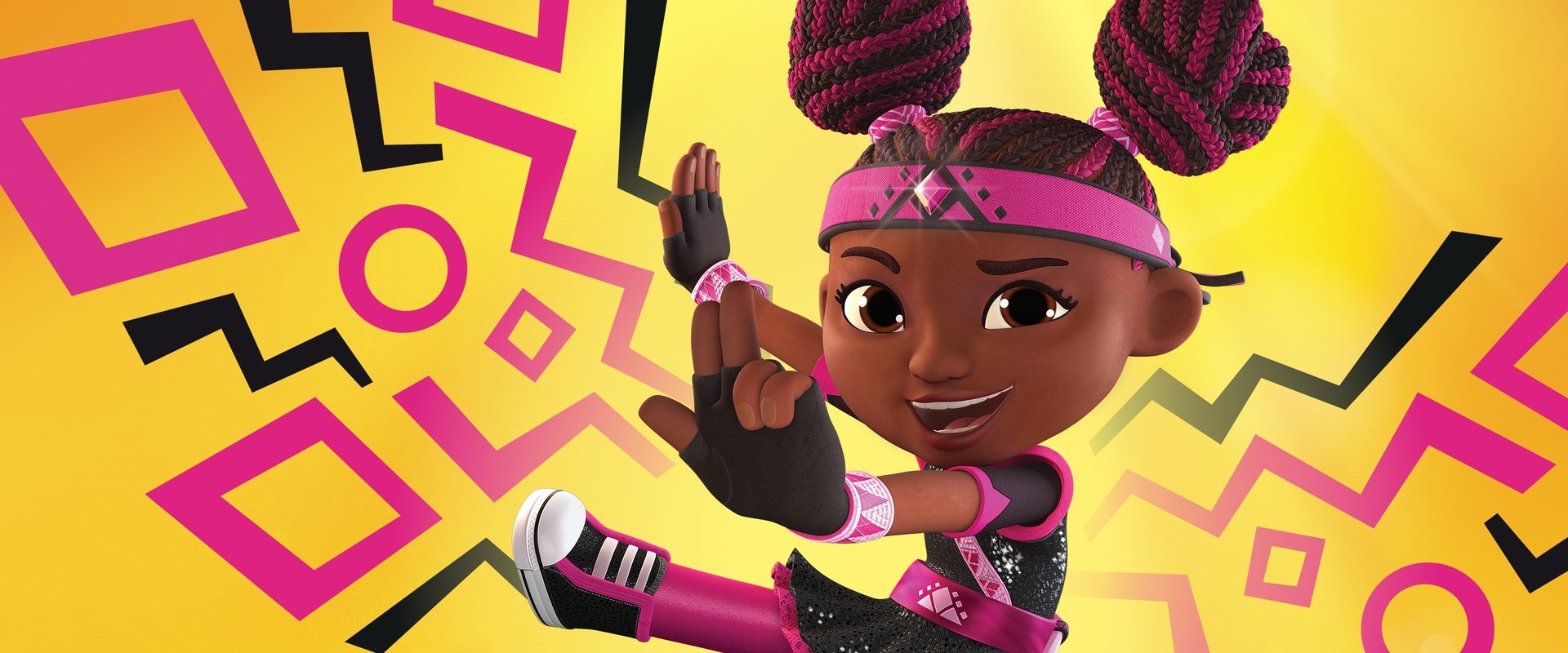
If your living room has been held hostage by PJ Masks or Spidey and His Amazing Friends for the last six months, you know the formula: three kids, a secret headquarters, a transformation sequence, and a villain who is more "annoying neighbor" than "existential threat." Kiya & the Kimoja Heroes doesn't break that mold, but it refreshes the hell out of the aesthetic.
By moving the action to Kimoja City—a vibrant, South African-inspired setting—the show escapes the generic "any-city, USA" vibe that plagues most preschool animation. It’s a great example of how African heritage is being used to redefine heroes for a younger generation. Instead of just punching through problems, the "superpowers" here are tied to dance and martial arts. It’s rhythmic, it’s colorful, and it feels more like a celebration than a brawl.
Why the IMDb Score is Low
That 5.4 IMDb score looks scary, but you have to read between the lines. Adults aren't the target audience here. There are no "wink-wink" jokes for the parents and no complex emotional arcs that will make you cry. This is pure, high-octane preschool fuel.
The pacing is fast. For some kids, the bright colors and quick cuts are a feature; for others, it’s a sensory overload. If you’re looking for a new show that won't rot your brain while providing some much-needed representation, this is a solid pick. Just don’t expect to find yourself lingering on the couch after the kids have left the room. It’s functional, positive, and culturally rich, but it’s definitely "kid-first" media.
The Movement Hook
What makes this stand out in a crowded Disney+ lineup is the focus on physicality. Most superhero shows for this age group rely on gadgets or "magic" beams. Kiya and her friends use movement.
- The "Gliding Gear" and "Power Poses" are basically an invitation for your kid to get off the rug and move.
- It rewards coordination and rhythm over raw strength.
- The villains (like a tech-obsessed kid or a jealous dancer) provide low-stakes conflict that focuses on social-emotional learning rather than "good vs. evil."
If you have a kid who is already in a "ninja" or "ballerina" phase, this show is the perfect bridge between those two worlds. It’s one of the few titles that treats dance and martial arts as equally heroic skills. It’s not revolutionary television, but it’s a joyful, safe, and culturally specific alternative to the usual roster of caped crusaders.