iNaturalist

iNaturalist

app

Everyone, 2011, Education

WISE
86%

WISE Score

4.0

App Store

Turn your kid into a citizen scientist—this app identifies plants and animals in real-time and contributes actual data to researchers.

Screenwise Verdict

This is one of those rare apps that actually delivers on the promise of "educational screen time." iNaturalist turns phones into field guides and transforms ordinary walks into legitimate scientific expeditions.

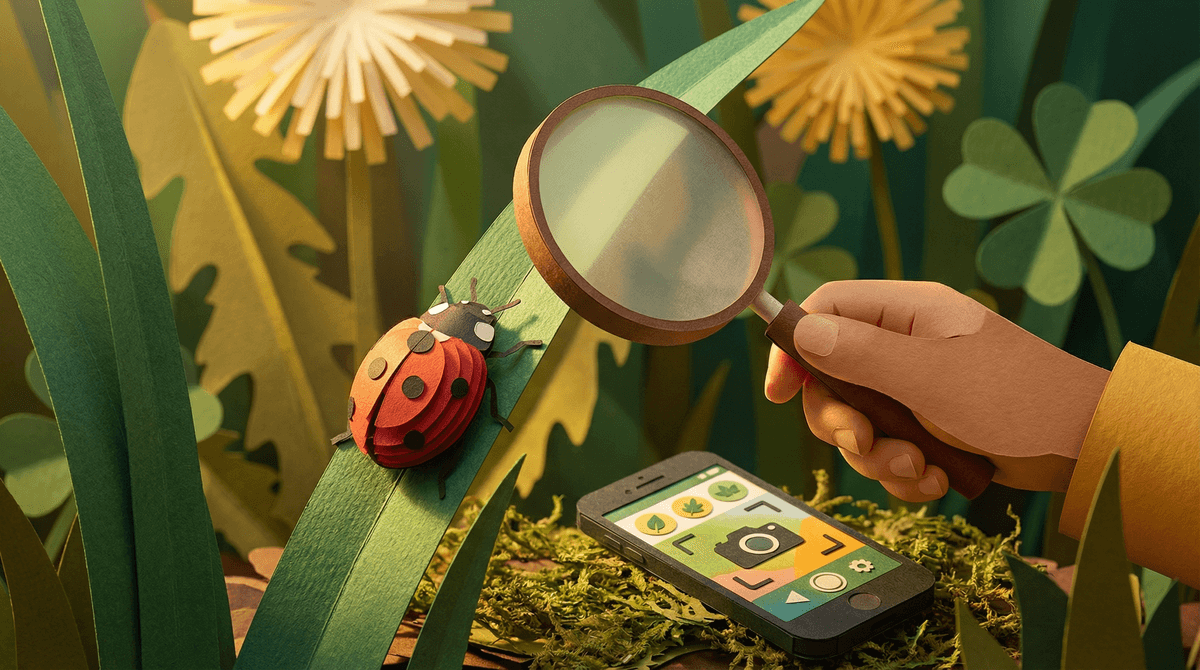
The identification technology is impressive—snap a photo of a mystery plant or bug, and the AI suggests species while the community helps confirm. Kids learn real taxonomy, observation skills, and contribute to actual biodiversity research. It's the opposite of brain rot.

The privacy considerations are real but manageable. Photos include GPS coordinates, so talk to your kid about not posting observations from home or school. For younger kids (under 10), just use Seek instead—same amazing identification engine, zero social features, no location sharing.

For nature-loving kids, this is genuinely transformative. It turns "there's nothing to do" into "let's go find something we've never seen before."

Age Fit

Best for ages 8-17, though younger kids can use it with parent supervision or switch to Seek (the kid-focused version). Adults genuinely use this too—it's not just a kids' app, it's a legitimate scientific tool that happens to be perfect for curious kids.

WISE Breakdown
Wholesome
95

Encourages outdoor exploration, community collaboration, and respectful scientific inquiry. Models positive citizen science behavior and connects users with naturalists who help identify species. The community aspect is built around shared curiosity about nature rather than social comparison or performance.

Imaginative
88

Transforms everyday walks into scientific expeditions. Users actively observe, photograph, and identify species, turning the world into an interactive field guide. The crowdsourced identification system invites curiosity and detective work. However, it's more observational than truly creative—you're documenting reality rather than building or inventing.

Safe
72

No ads and fundamentally educational purpose. However, Common Sense Media notes privacy concerns for teens regarding location data embedded in observations—photos can reveal exact locations where users are exploring. The community features involve interaction with strangers (scientists and naturalists), though focused on species identification rather than personal chat. Kids mode available, which helps. The Seek version (kid-focused spinoff) addresses many of these concerns by removing social features entirely.

Enriching
94

Exceptional educational value. Teaches observation skills, taxonomy, ecology, and scientific method. Contributions become actual research-quality data used by scientists. Connects kids to their local ecosystem and builds environmental literacy. The identification process teaches critical thinking as users evaluate suggestions and learn to distinguish species. Gets kids outside and engaged with the real world.

Parent Info
✓

Why It Might Be Great

  • Gets kids outside observing real nature instead of staring at screens indoors
  • Teaches legitimate scientific skills—observation, identification, taxonomy, data collection
  • Connects to a community of 400,000+ scientists and naturalists who help identify tricky species
  • Contributions become real research data used by actual scientists studying biodiversity
  • Makes every walk or hike an interactive treasure hunt for new species
⚠

What to Watch For

  • Photos include GPS coordinates showing exactly where your kid is exploring—teach location privacy before they start posting
  • Community features mean interaction with adult strangers (though focused on nature ID, not personal chat)
  • For younger kids (under 10), consider using Seek by iNaturalist instead—same identification tech but no social features or location sharing
  • Sometimes struggles to identify species from unclear photos, which can frustrate younger users

Conversation Starters

  • "What's the coolest species you've found near our house that you didn't know was there?"
  • "How many different bird species do you think live in our neighborhood? Want to try to document them all?"
  • "Why do you think scientists need regular people to help collect data about plants and animals?"
  • "What's the difference between species that look similar—how do scientists tell them apart?"

Ask Anything

Get a personalized guide on any topic