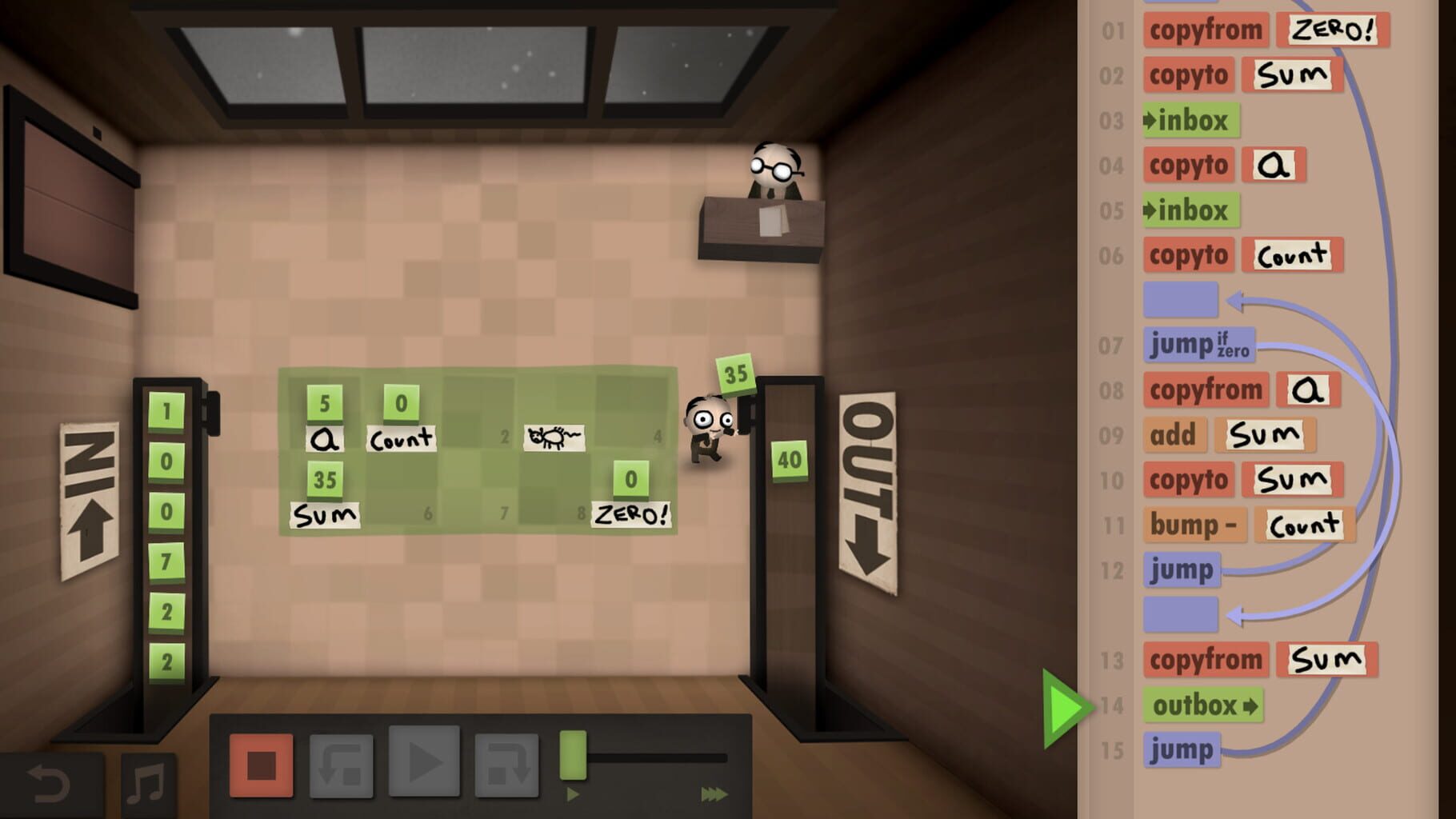
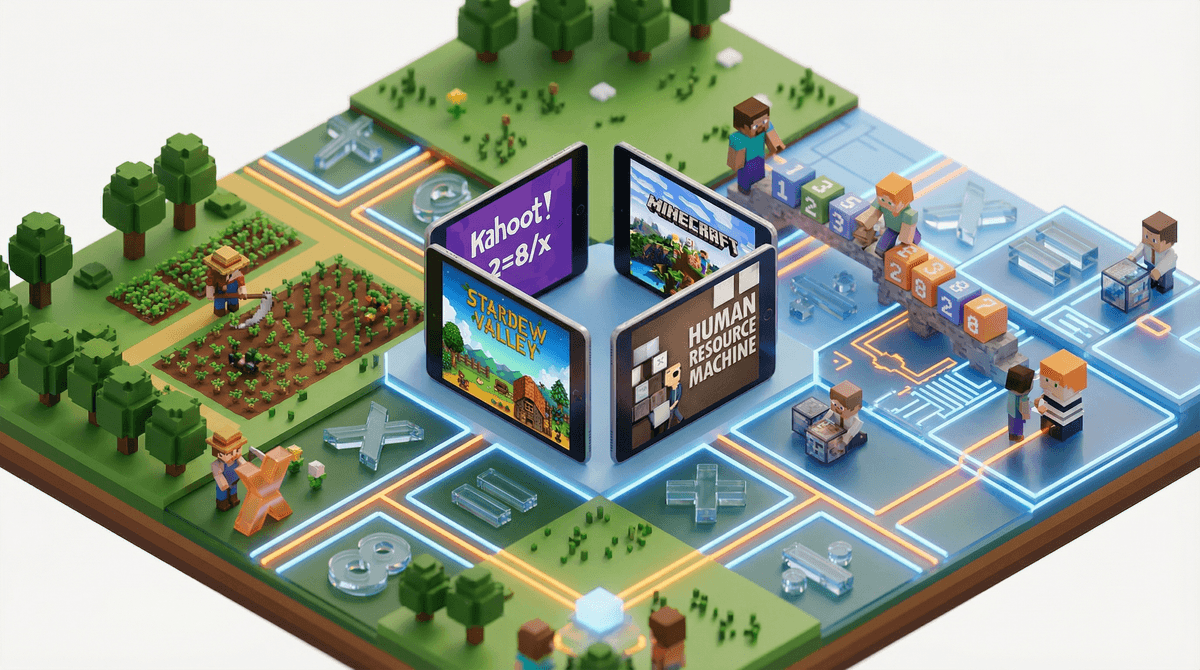
Human Resource Machine is the ultimate litmus test for whether your kid actually enjoys the logic of computer science or just likes making a sprite dance in Scratch. Most "coding games" are high-level—they teach you how to give big, sweeping commands. This game does the opposite. It forces you to think like a processor, moving individual pieces of data one by one from an "In" pile to an "Out" pile using a tiny, restricted set of commands.
It is essentially a drag-and-drop version of Assembly language. That sounds dry, but the developer wraps the whole thing in a darkly funny, hand-drawn corporate aesthetic that makes the "work" feel like a high-stakes heist. It’s one of the few programming games that actually teach kids to code by focusing on the logic that happens under the hood of every app they use.
The "I'm a Genius/I'm an Idiot" Loop
The gameplay loop here is intense. You'll spend ten minutes staring at a blank floor, five minutes dragging commands into a sequence, and then you’ll hit the "play" button to watch your little office worker execute the code. Usually, they fail. They trip over a zero, or they drop a box in the wrong spot.
When it finally clicks—when the worker zips through the tasks and the elevator doors open to the next floor—the hit of dopamine is massive. But be prepared: the difficulty curve isn't a slope; it’s a series of jagged cliffs. Around "Year 20" in the game, the puzzles stop being about simple math and start requiring genuine algorithmic thinking. This is where most kids (and parents) hit a wall. It’s a great place to practice the kind of grit we talk about in our guide to puzzle games that build problem-solving skills.
Optimization is the Real Game
The game doesn't just want you to solve the puzzle; it wants you to solve it efficiently. Each level has two optional "optimization challenges":
- Size: Can you do it with the fewest number of commands?
- Speed: Can you do it in the fewest number of steps?
This is where the game moves from "educational toy" to "legitimate brain trainer." A kid might find a messy, long-winded way to solve a level, which is fine for moving on. But for the perfectionist kid who loves to tinker, those optimization lights are a siren song. It teaches them that in engineering, "it works" is just the starting point.
Is it too much like school?
Because the game is literally about "Human Resources" and office tasks, there’s a risk a kid might find the theme boring compared to a space-themed sim. However, the humor is weird enough to keep it engaging. It’s a perfect example of educational games that don't feel like school because it never tries to "teach" you. It just gives you a job and a set of tools, then leaves you to figure out why your "worker" is broken.
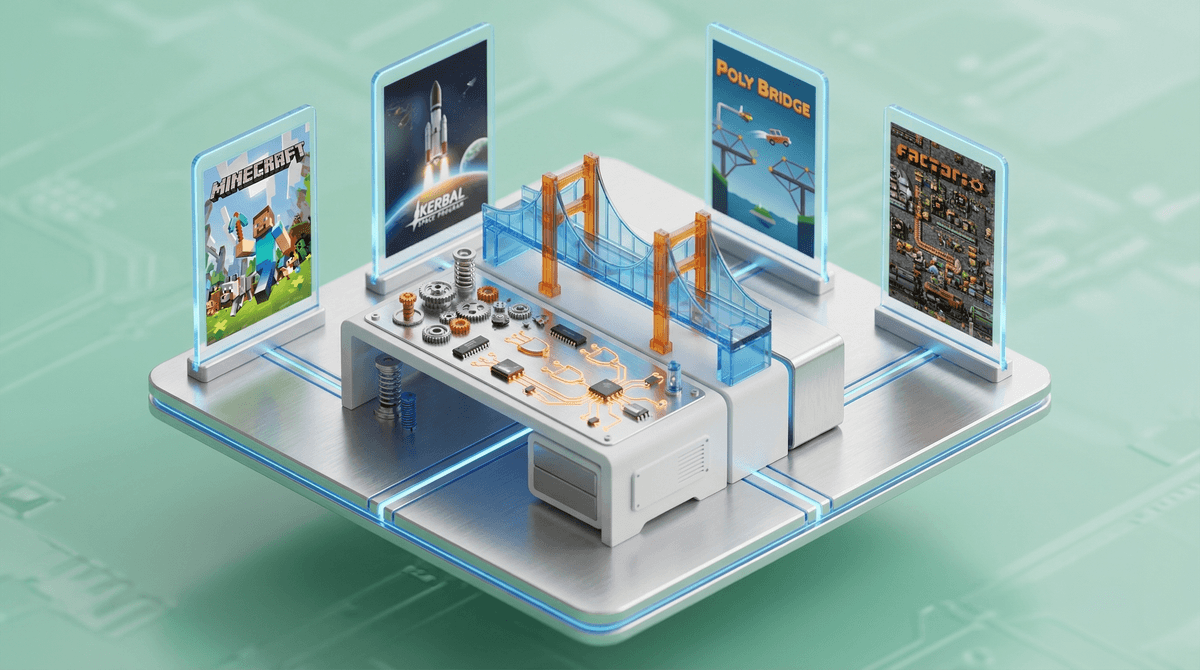
If your kid is the type to spend three hours building a complex redstone machine in Minecraft just to automate a door, they will lose their mind over this. If they prefer fast-paced reaction games, they’ll likely bounce off it within thirty minutes. Buy it for the kid who likes to take things apart to see how they work.